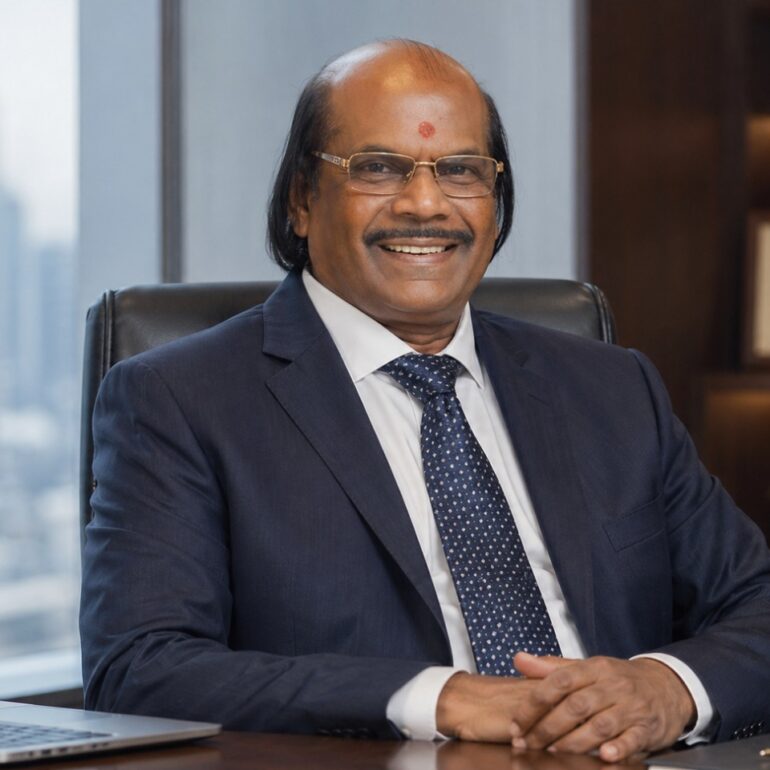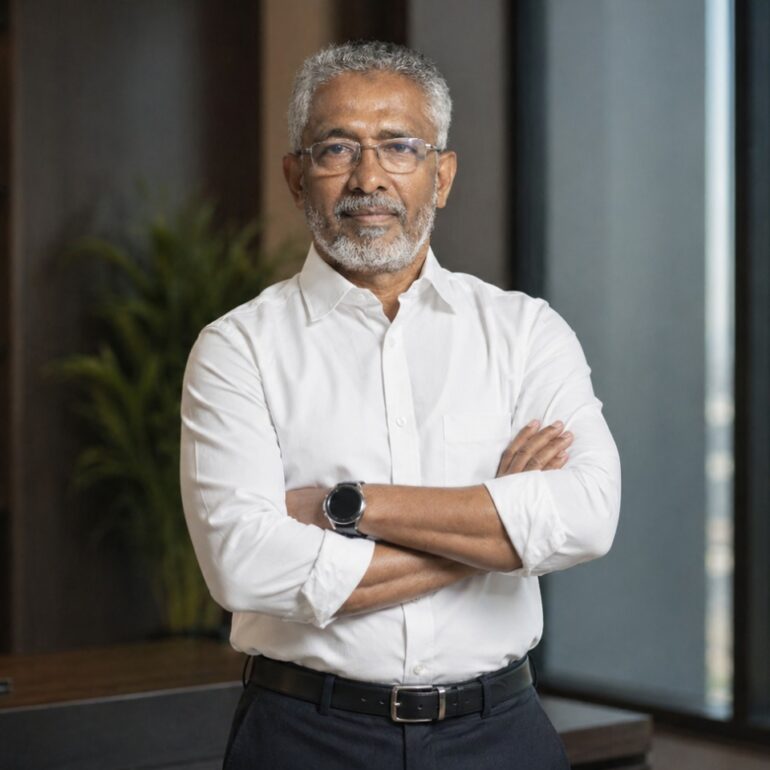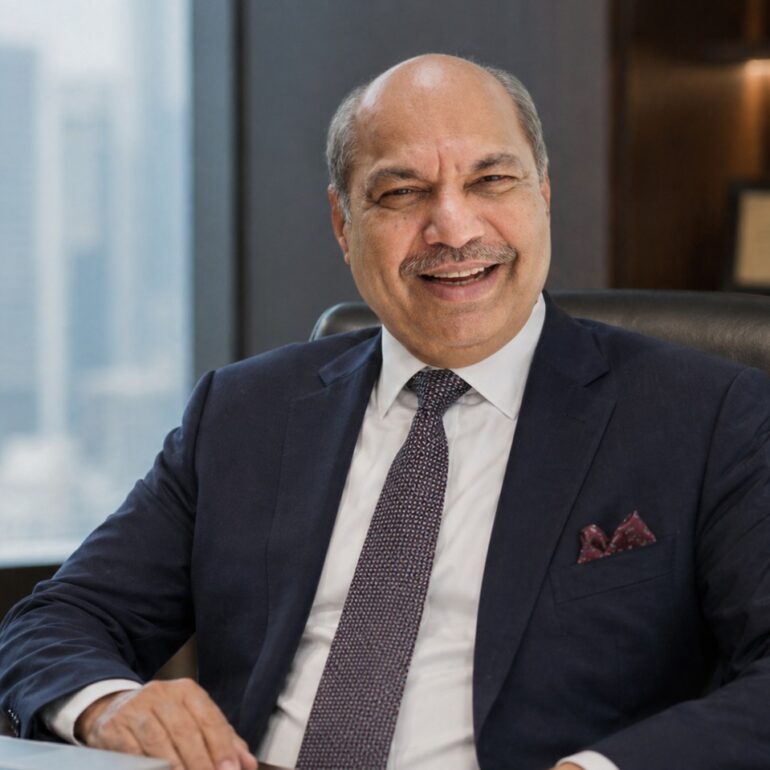
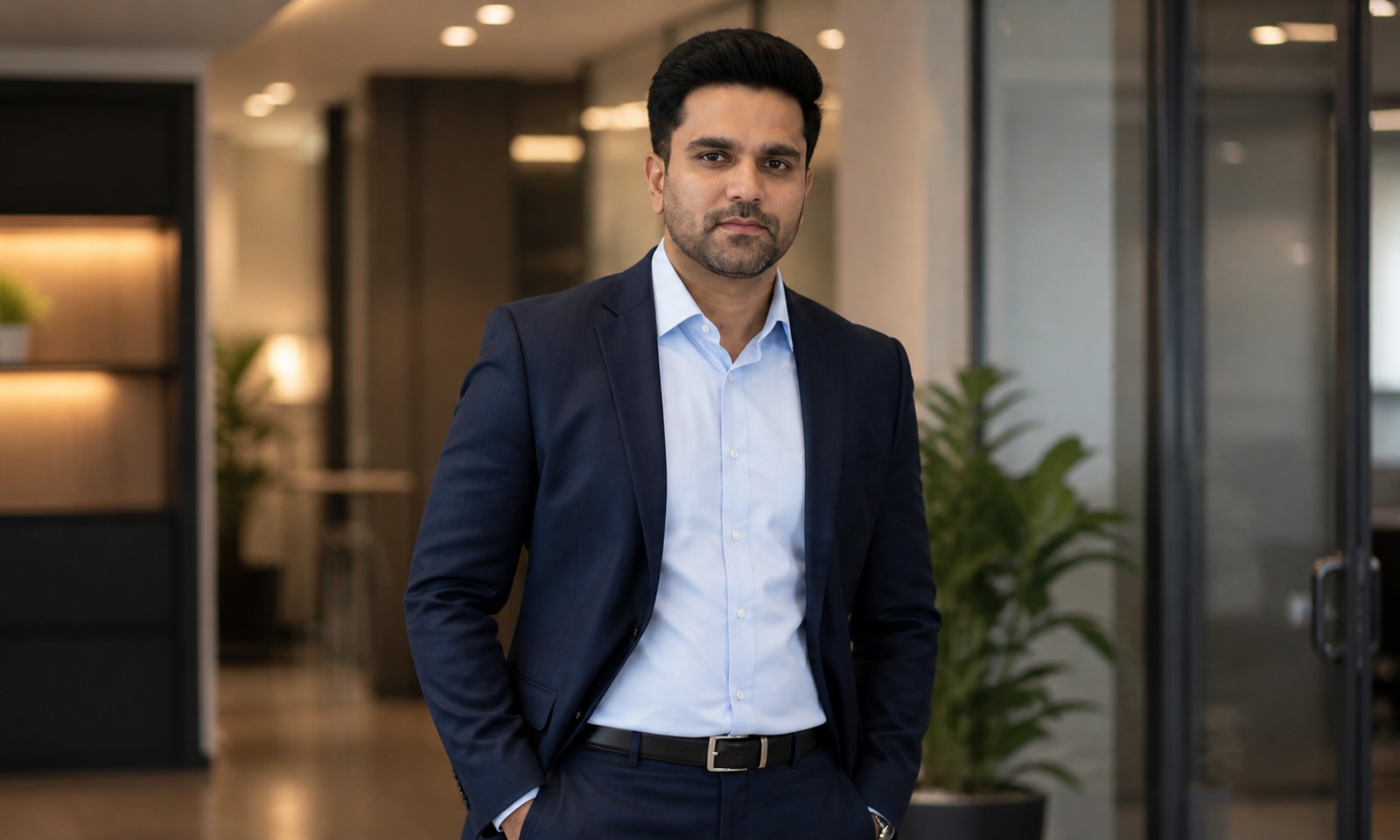
Vibin Shivdas
Managing Director and CEO of Regal Jewellers
Vibin Shivdas is the Managing Director and CEO of Regal Jewellers, a prominent jewelry brand in Kerala and India known for exclusive, high-quality designs. He has driven significant growth for the brand and recently opened new locations in Bengaluru. Under his leadership, the brand has expanded significantly over the past five years. Known for having a significant luxury car collection, including models like the Mercedes-AMG G63, Ferrari 296 GTB, and Porsche 911 GT3. He is often recognized for his role in modernizing and expanding the presence of Regal Jewellers, which is known for its wholesale pricing and 100% hallmarked gold and diamond jewelry. Vibin’s approach blends legacy credibility with an outstanding understanding of modern consumer expectations.
Key Facts
Full Name: Vibin Shivdas
Place: Thamarassery, Kerala, India
Title: Managing Director & CEO
Occupation: Business Leader, Jewellery Industry Executive
Known For: Expanding and modernizing Regal Jewellers, scaling retail presence, introducing contemporary luxury positioning
On a busy commercial street in Bengaluru, the opening of a new Regal Jewellers showroom is not just another retail expansion. It reflects a broader transition, one that moves beyond geography into brand identity. The interiors are sleek, lighting calibrated for precision, and display layouts curated to reflect both accessibility and aspiration. Customers walk in not just to buy gold, but to experience it differently.
This is the kind of shift Vibin Shivdas has been working toward. It is less about adding stores and more about redefining what a regional jewellery brand can become in a national market.
From Thamarassery to a Recognised Name
The story of Regal Jewellers begins in 1978, when Sivadas Thamarassery established the business in Kerala. At the time, the company operated largely within a wholesale and manufacturing ecosystem, supplying jewellery in a market where brand identity was secondary to craftsmanship and pricing.
Like many jewellery businesses in Kerala, Regal was built on trust, relationships, and consistency. Its early growth was driven by reliability rather than aggressive branding. Customers returned because the product met expectations, purity was assured, and pricing remained competitive.
However, as the Indian jewellery market evolved, especially with the rise of organized retail chains and branded showrooms, the need for transformation became inevitable.
The Transition to New Leadership
When Vibin Shivdas stepped into a leadership role, the challenge was not to build a business from scratch but to reimagine an existing one. Legacy businesses often face a unique dilemma, they carry trust accumulated over decades, but may lack the systems and positioning needed for modern retail.
Vibin’s approach was neither disruptive nor conservative. Instead, it was calibrated. He focused on identifying areas where Regal could retain its strengths while adapting to new market dynamics.
The first shift was structural. Moving from a largely operational family business to a more organized retail entity required changes in processes, inventory management, and customer engagement strategies. The second shift was strategic, repositioning Regal from a value-driven wholesaler to a retail brand that could operate across segments.
Expansion as Strategy, Not Just Scale
Over the past five years, Regal Jewellers has expanded its footprint, including entry into markets like Bengaluru. This expansion is not incidental. It reflects a deliberate move to position the brand beyond Kerala’s saturated jewellery market.
Kerala, despite being one of India’s largest gold consumption hubs, is also intensely competitive. Established players dominate mindshare, and customer loyalty is hard-won. For Regal, growth required stepping into markets where brand recall could be built afresh.
Bengaluru represents such a market, a city with a diverse consumer base, higher disposable incomes, and a growing appetite for design-driven jewellery. By entering this space, Regal is effectively testing its ability to operate in a more competitive, pan-Indian environment.
At the core of this expansion strategy is a key differentiator, pricing. Regal has historically leveraged its manufacturing and wholesale background to offer jewellery at competitive rates. Translating this into a retail advantage allows the brand to position itself as both affordable and premium, a balance that is difficult to achieve.
Reinventing the Retail Experience
Modern jewellery retail is no longer just about inventory. It is about experience. Vibin Shivdas appears to have recognized this early.
Showrooms are being redesigned to align with contemporary aesthetics. Lighting, layout, and display systems are optimized to enhance product visibility and customer comfort. The goal is to move away from the traditional crowded counters toward a more curated, boutique-style environment.
This transformation extends to product presentation as well. Regal’s emphasis on 100 percent hallmarked gold and certified diamond jewellery reflects a shift toward transparency and trust, both critical in today’s market.
Digital engagement also plays a growing role. While not aggressively positioned as a digital-first brand, Regal has increasingly adopted social media and online channels to reach younger consumers. This is particularly important as jewellery buying behavior evolves, with customers researching extensively before making purchases.
Balancing Tradition and Modernity
One of the defining challenges for any legacy jewellery brand is balancing tradition with change. Customers often associate such brands with cultural familiarity, wedding purchases, and generational trust. At the same time, younger consumers seek design innovation and brand identity.
Vibin Shivdas’s strategy appears to be rooted in this balance. Regal continues to offer traditional designs that cater to its core customer base, while simultaneously expanding into contemporary collections aimed at urban buyers.
This dual positioning allows the brand to remain relevant across demographics. It also mitigates the risk of alienating existing customers while attracting new ones.
Calculated Risk and Market Sensitivity
Unlike aggressive expansion models seen in some retail sectors, Vibin’s leadership style leans toward calculated growth. Decisions are informed by market conditions, customer behavior, and operational readiness.
This approach is particularly relevant in the jewellery industry, where inventory costs are high and margins can be sensitive to fluctuations in gold prices. Rapid expansion without adequate planning can lead to significant financial strain.
His focus on long-term sustainability rather than short-term visibility suggests an understanding of the industry’s cyclical nature. It also reflects a broader shift in how next-generation leaders are approaching family businesses, with an emphasis on systems, scalability, and brand equity.
The Role of Personal Branding
Beyond business strategy, Vibin Shivdas’s public persona contributes to the brand narrative. His interest in luxury automobiles, including high-performance models like the Mercedes-AMG G63, Ferrari 296 GTB, and Porsche 911 GT3, aligns with the aspirational positioning of Regal Jewellers.
While such associations do not directly influence business performance, they shape perception. In a sector where aspiration plays a significant role in purchasing decisions, leadership visibility can reinforce brand identity.
However, this also requires careful calibration. Overemphasis on luxury can risk distancing a brand from its value-driven roots. Vibin’s challenge lies in maintaining this balance, ensuring that Regal remains accessible while projecting a premium image.
Navigating a Competitive Market
India’s jewellery industry is undergoing rapid transformation. Organized retail chains are expanding aggressively, digital platforms are gaining traction, and consumers are becoming more informed.
In Kerala, competition is particularly intense. Established players with decades of brand equity dominate the market. For Regal, differentiation is essential.
Pricing transparency, certified products, and customer experience are key levers. The ability to offer competitive pricing without compromising on quality provides a tangible advantage. At the same time, building a recognizable brand identity is critical for long-term growth.
Another challenge lies in scaling operations while maintaining consistency. Jewellery retail is inherently complex, involving procurement, design, inventory management, and customer service. Ensuring uniform standards across multiple locations requires robust systems and disciplined execution.
A National Play
The next phase of Regal Jewellers’ growth is likely to be defined by its ability to transition from a regional player to a national brand. This involves not just expanding into new cities, but also building a cohesive brand identity that resonates across markets.
India’s jewellery sector is gradually moving toward formalization, with increased regulation, standardization, and consumer awareness. Brands that can combine trust with modern retail practices are well-positioned to benefit from this shift.
For Vibin Shivdas, the challenge will be sustaining momentum while navigating market complexities. Expansion must be balanced with operational control, and brand positioning must remain consistent across geographies.
Reflection
Vibin Shivdas’s journey is less about dramatic reinvention and more about steady, strategic evolution. He has taken a legacy business rooted in trust and gradually aligned it with the demands of a modern retail environment. In doing so, he reflects a broader transformation within Kerala’s family-run enterprises, where tradition is no longer a constraint but a foundation for growth. If Regal Jewellers continues on this path, its future will likely be defined not just by expansion, but by its ability to remain credible, relevant, and quietly outstanding in an increasingly competitive industry.