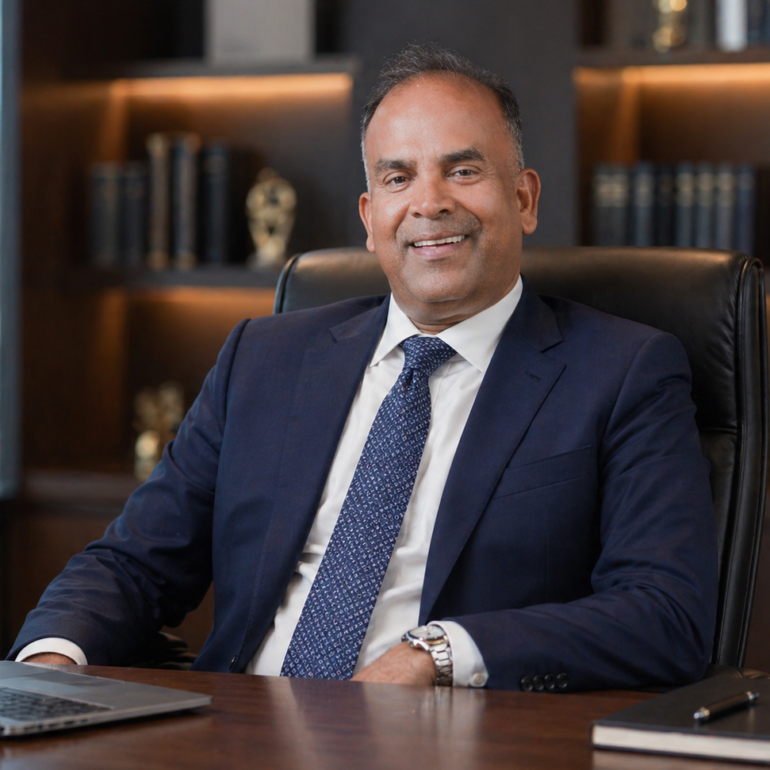
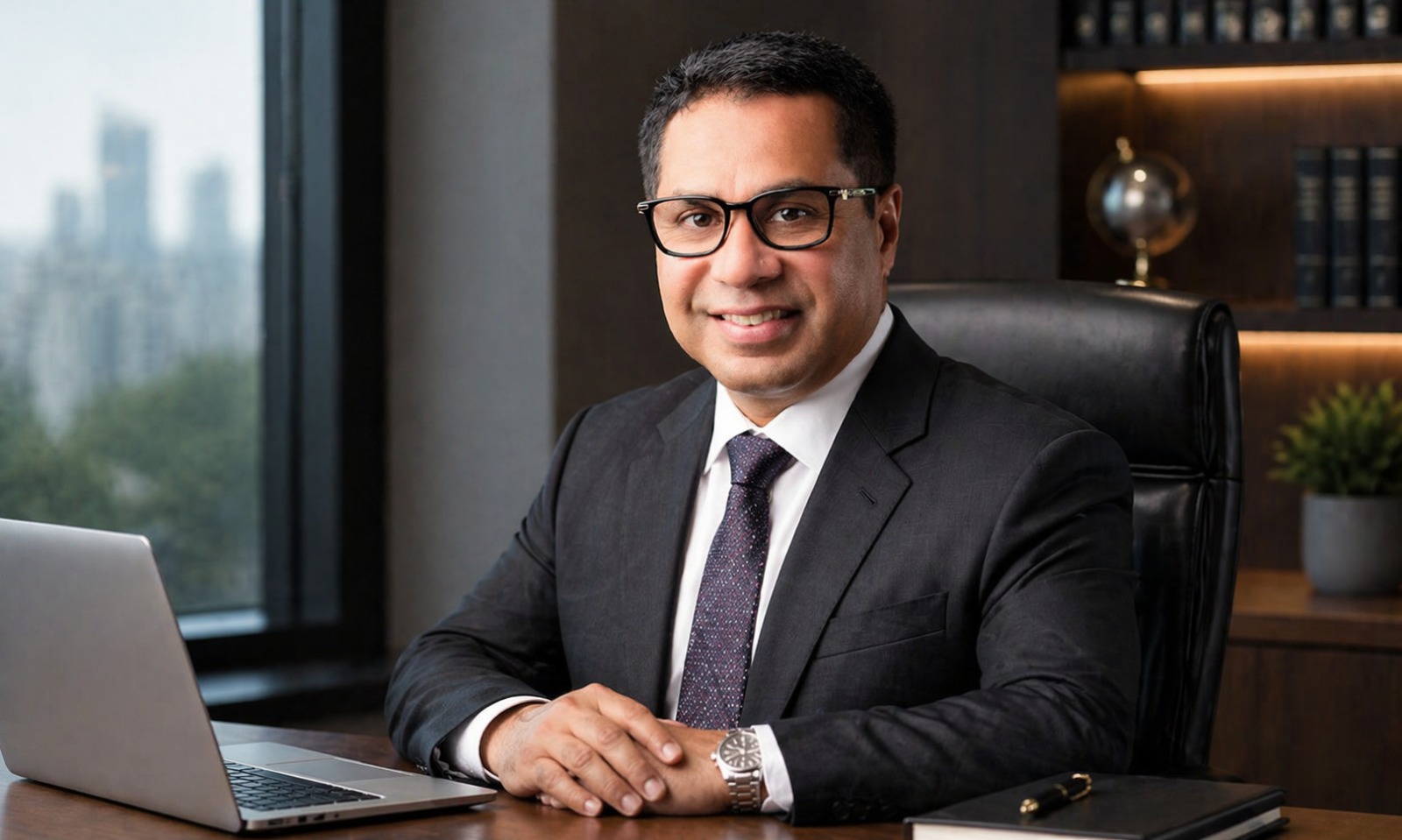
Faizal Kottikollon
Founder & Chairman, KEF Holdings
Faizal Edavalath Kottikollon is a United Arab Emirates-based Indian businessperson. He is the founder and chairman of KEF Holdings. Kottikollon was named “One of the Top 100 Indian Business Leaders in the Arab World” by Forbes Middle East and as “One of the 20 Most Influential Indian Leaders in Gulf Construction” by Construction Week.
His father, PK Ahammed, is the Chairman of Peekay Group of Companies. Kottikollon received his BE in Civil Engineering from Manipal Institute of Technology and his MBA in Business Administration, Management & Operations from T. A. Pai Management Institute. In 1990, Kottikollon earned a Master of Science degree in Industrial Engineering from Bradley University, Peoria, Illinois.
Key Facts
Full Name: Faizal Edavalath Kottikollon
Born: July 6, 1963
Place of Birth: Mahé, India
Nationality: Indian (UAE-based)
Title: Founder & Chairman, KEF Holdings
Occupation: Entrepreneur, Investor, Philanthropist
Known For: Building KEF Holdings, sale of Emirates Techno Casting (~$400 million), pioneering offsite construction, philanthropy through the Faizal & Shabana Foundation
From Foundry to Framework
The defining moment in Faizal Kottikollon’s career did not come with the founding of a company, but with its sale. When Emirates Techno Casting was acquired by Tyco International in a deal widely reported to be worth around $400 million, it marked more than a financial milestone. It was a transition point, from operator to architect. For many entrepreneurs, such an exit would signal culmination. For Kottikollon, it became a reset. What followed was not a retreat from business, but a shift in ambition, toward building systems that could reshape industries like construction and healthcare. In that pivot lies the outstanding arc of his journey, from manufacturing scale to structural reinvention.
Roots and Early Life
Faizal Edavalath Kottikollon was born in Mahé, a small enclave on India’s southwest coast, culturally and economically linked to Kerala. His early life was shaped by a family environment that had exposure to business, providing a foundational understanding of trade and enterprise.
Education played a significant role in shaping his trajectory. He pursued engineering studies in India and later continued his education in the United States. This combination, local grounding and international exposure, is a recurring pattern among Indian entrepreneurs who later operate globally.
The technical orientation of engineering, combined with exposure to global business environments, provided him with both analytical frameworks and a broader perspective. These elements would later influence his approach to building and scaling businesses.
From a small coastal town in India to boardrooms across the Gulf and global investment circles, Faizal Edavalath Kottikollon has built a career defined by calculated risk and structural thinking. As the founder and chairman of KEF Holdings, he operates at the intersection of manufacturing, infrastructure, and healthcare, sectors that demand long-term capital and operational discipline. His journey, marked by the high-profile sale of Emirates Techno Casting and a pivot into new-age industrial ventures, reflects an outstanding evolution from entrepreneur to systems builder, shaping businesses that aim to scale beyond conventional models.
The Entrepreneurial Leap
Kottikollon’s move to the United Arab Emirates in the early 1990s marked the beginning of his entrepreneurial journey. Like many Indian expatriates of that period, he entered a market that was rapidly expanding but still evolving in terms of industrial infrastructure.
His initial venture, Al Ahamadi General Trading, was a modest entry point. Trading businesses often serve as gateways, providing insight into supply chains, market demand, and operational logistics.
The transition from trading to manufacturing came with the establishment of Emirates Techno Casting. This move reflected a shift toward value-added production, where margins and scale are driven by capability rather than arbitrage.
Building a foundry business in the Gulf required navigating capital intensity, technical complexity, and global competition. Casting components for industries such as oil and gas involves stringent quality standards and long-term client relationships.
Kottikollon’s strategy appears to have focused on scale, efficiency, and integration into global supply chains. Over time, Emirates Techno Casting grew into a significant player in its sector.
The Breakthrough Exit
The sale of Emirates Techno Casting to Tyco International represented a turning point. Reported at around $400 million, the deal placed Kottikollon among a group of Indian-origin entrepreneurs who successfully built and exited large-scale industrial businesses in the Gulf.
Such exits are not merely financial events. They validate business models, create liquidity, and open pathways for new ventures. For Kottikollon, the sale provided both capital and strategic freedom.
It also marked a shift in focus. Having built and exited a manufacturing business, he moved toward sectors that required not just operational expertise but also systemic innovation.
Building KEF Holdings
Following the exit, Kottikollon founded KEF Holdings as a diversified investment and operating platform. Unlike a single-industry company, KEF was structured to operate across multiple sectors, including infrastructure, healthcare, and strategic investments.
The core idea behind KEF was to combine capital with innovation. One of its key focus areas has been industrialized construction, often referred to as offsite or prefab construction.
This approach involves manufacturing building components in controlled environments and assembling them on-site. The model aims to reduce construction time, improve quality, and increase scalability.
KEF Infra, a division within the group, has been central to this effort. By introducing manufacturing principles into construction, the company attempts to address inefficiencies that have long characterized the sector.
Reinventing Infrastructure and Healthcare
Kottikollon’s vision extends beyond construction into healthcare. The establishment of Meitra Hospital in Kerala reflects an attempt to integrate infrastructure thinking with healthcare delivery.
Hospitals, like construction projects, are complex systems involving design, execution, and long-term operations. By applying principles of scalability and efficiency, KEF aims to create healthcare infrastructure that can deliver both quality and accessibility.
This intersection of infrastructure and healthcare is significant. It reflects a broader trend where entrepreneurs move beyond single sectors to address interconnected challenges.
The emphasis on technology, whether in construction or healthcare, suggests a focus on long-term structural change rather than short-term gains.
Philanthropy and Purpose
Parallel to his business ventures, Kottikollon has been active in philanthropy through the Faizal & Shabana Foundation. The foundation focuses on education, healthcare, and social development initiatives.
The approach appears to emphasize structured interventions rather than ad-hoc charity. Programs are designed to create long-term impact, aligning with the broader philosophy of building systems rather than isolated solutions.
This perspective reflects a shift in how many contemporary entrepreneurs approach philanthropy. Instead of viewing it as separate from business, it is integrated into a broader framework of social impact.
Leadership, Recognition, and Influence
Faizal Kottikollon has received recognition from industry platforms such as Forbes Middle East and Construction Week, reflecting his influence within the Gulf’s business ecosystem.
His leadership style is often described as long-term and impact-oriented. Unlike entrepreneurs who focus on rapid scaling, his approach emphasizes building foundational systems that can sustain growth over time.
Engagement with global business networks and investment communities further positions him within a broader ecosystem of Indian-origin entrepreneurs operating internationally.
However, as with many large-scale ventures, the outcomes of his initiatives, particularly in infrastructure innovation, remain subject to market dynamics and execution challenges.
Legacy and Future Outlook
Faizal Kottikollon’s journey reflects a broader narrative within Indian entrepreneurship, the transition from trading and manufacturing to system-level innovation.
Through KEF Holdings, he has attempted to redefine how industries like construction and healthcare operate. Whether these efforts achieve their full potential will depend on execution, market acceptance, and long-term sustainability.
His legacy, however, is already shaped by his ability to move across phases, from building a manufacturing business to creating a diversified investment platform.
In a global economy where industries are increasingly interconnected, such transitions are becoming more relevant. Kottikollon’s work illustrates both the opportunities and challenges of operating at this level.
Ultimately, his story is not just about scale or financial success. It is about the ambition to build systems that outlast individual ventures. That ambition, still unfolding, remains as complex as it is outstanding.
Awards & Honors
2012 – International Community Services Award by Global Organization of People of Indian Origin
2014 – Ranked among 100 Most Powerful Indians in the Gulf
2014 – Ranked among The GCC’s 100 Most Powerful Indians
2016 – PV Sami Memorial Award for his valuable contribution in business and philanthropy
2016 – Top 100 Indian Leaders in the UAE by Forbes Magazine
2017 – Ranked among 50 Most Powerful Indians in the UAE
2018 – Ranked in Arabian Business Indian Aces
2018 – Ranked in Arabian Business Richest Indians in the UAE
Ranked in Construction Week’s The 20 most influential Indian leaders of Gulf construction