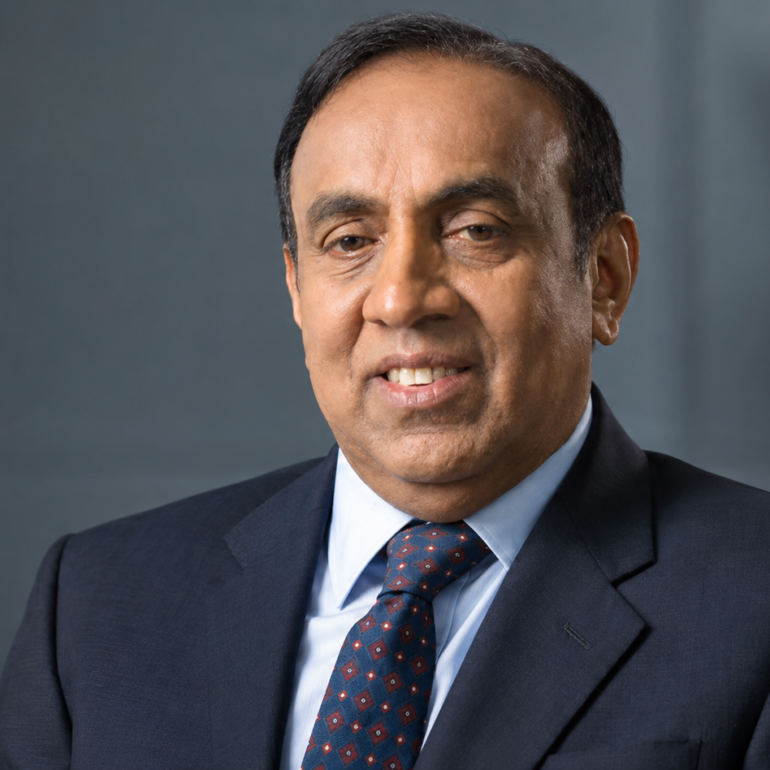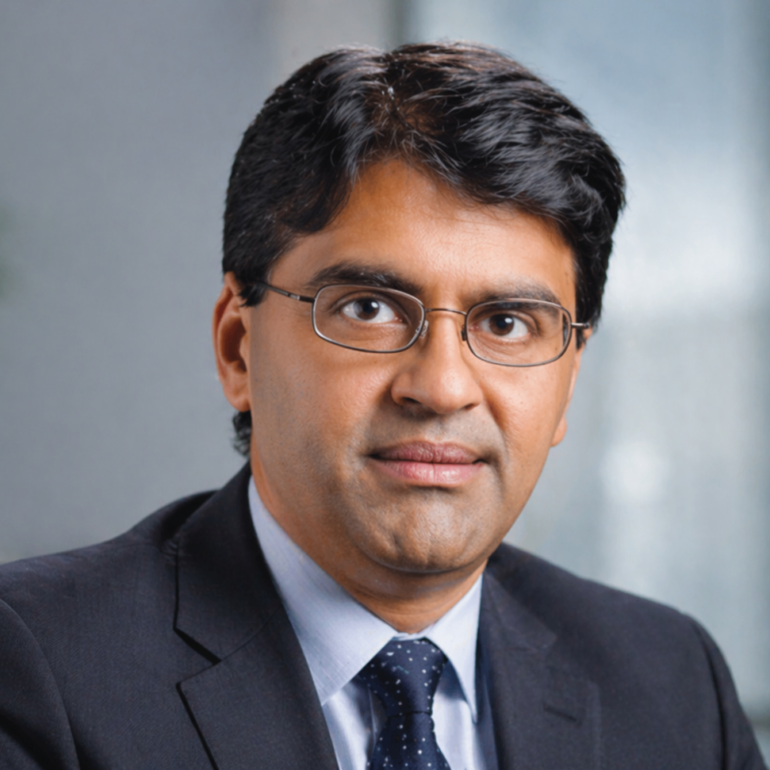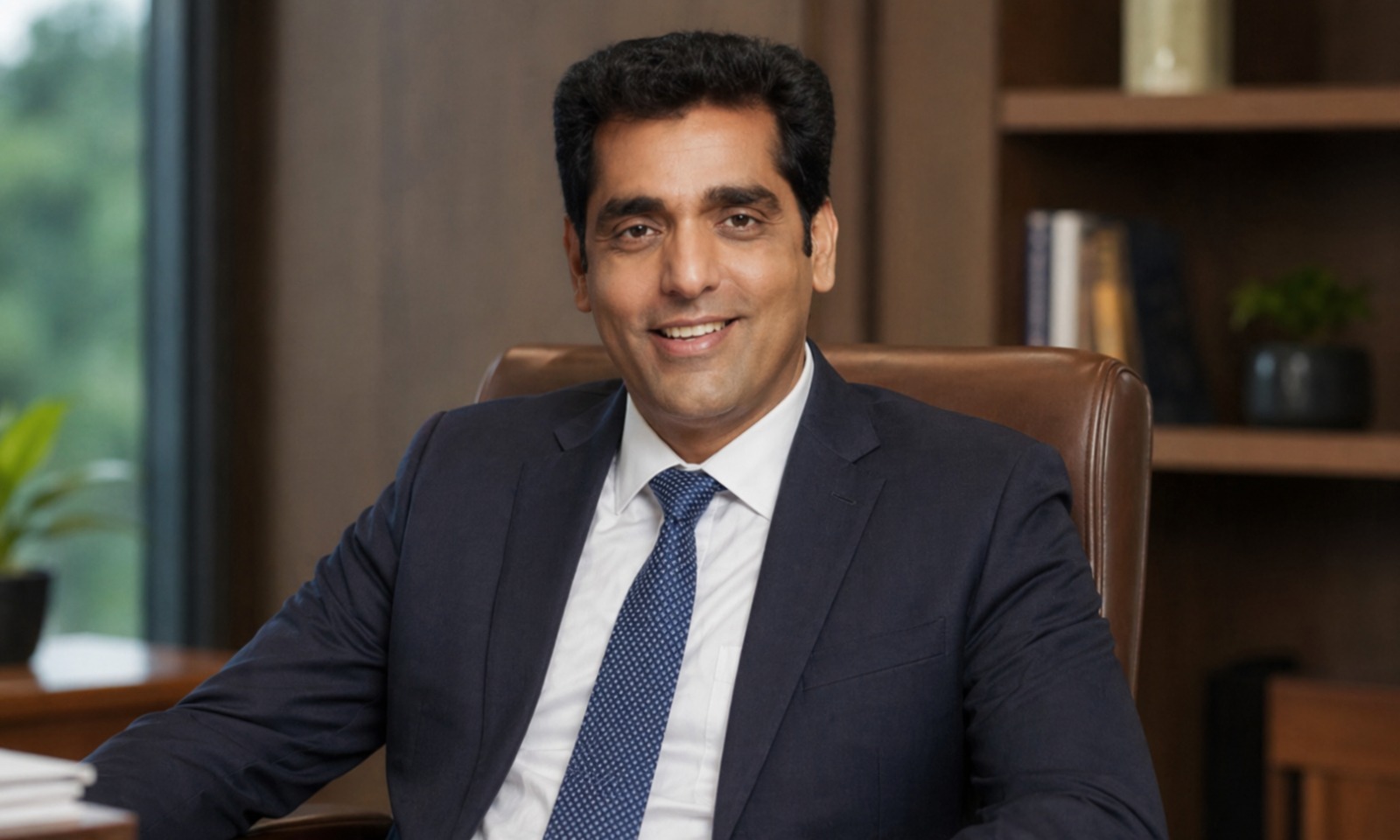
A. K. Shaji
Founder of MyG Digital
A.K. Shaji, who owns myG, an electronics and home appliances retail chain in Kerala. He began his business journey years ago with a small mobile shop in Calicut called 3G Mobile World.
Key Facts
Place: Kerala, India
Founder: MyG Digital
A Store Opens, A Market Shifts
On a humid morning in Kerala, a new electronics showroom opens its glass doors, not in a metro, but in a town where purchasing decisions are still debated across family conversations and WhatsApp groups. Inside, rows of smartphones gleam under LED lights, sales executives move with practiced ease, and a familiar tension hangs in the air, the pressure to convert footfall into trust. For A. K. Shaji, moments like these define the business. The expansion of MyG is not just about store count; it is about mastering a market where margins are thin, competition relentless, and customer loyalty fragile. It is an outstanding story of building scale in a category where disruption is constant and advantage is temporary.
Grounded in Local Realities
A. K. Shaji’s journey does not begin in boardrooms or business schools. It begins in Kerala’s local economy, where commerce is personal and reputation matters more than branding.
Details about his early life remain relatively understated, which itself reflects a pattern common among regional entrepreneurs. What emerges, however, is a trajectory shaped by observation rather than theory.
Kerala’s retail ecosystem is unique. High literacy, strong remittance inflows, and aspirational consumption create a market that is both price-sensitive and brand-aware.
Shaji’s early exposure to this environment gave him an advantage. He understood customers before he built a business. That distinction would later define MyG’s positioning.
The Origin of MyG: From 3G Digital World to a Scalable Idea
The story of MyG begins with a smaller, more experimental venture, a store branded as “3G Digital World.” This was not yet a chain, nor a fully formed concept.
It was a test.
The timing mattered. India was entering the 3G era, smartphones were beginning to scale, and telecom-driven consumption was accelerating. Yet organized retail in electronics, especially in smaller towns, remained fragmented.
Shaji identified a gap. Customers wanted access to reliable products, transparent pricing, and service support. Traditional small shops offered familiarity but lacked scale. Larger chains were either absent or disconnected from local nuances.
The early phase was not easy. Working capital constraints, supplier relationships, and inventory management posed immediate challenges. Electronics retail is unforgiving. Products depreciate quickly, and unsold inventory becomes a liability.
The breakthrough came when the model began to stabilize. Consistent pricing, customer engagement, and product availability created repeat business.
From there, the idea expanded.
Building the Brand: From 3G to MyG
The transition from 3G Digital World to MyG was more than a rebranding exercise. It was a strategic reset.
“MyG” positioned itself as personal, accessible, and aspirational. The name itself suggests ownership, My Gadget, My Store, My Choice.
Branding in electronics retail is often underestimated. Shaji used it as a differentiator.
Store layouts became more standardized. Product displays improved. Marketing moved beyond local advertising to more coordinated campaigns.
Expansion followed.
MyG began opening stores across Kerala, targeting both urban and semi-urban markets. The strategy was not to dominate a single city, but to create distributed presence.
This allowed the brand to scale without over-reliance on any one geography. Customer trust became central.
Pricing transparency, warranty assurance, and after-sales support created differentiation in a crowded market.
Retail in a Low-Margin World
Electronics retail operates on thin margins. Profitability depends on volume, inventory turnover, and supplier relationships.
MyG’s model reflects this reality.
Revenue comes primarily from device sales, smartphones, accessories, and related electronics. Margins are often supported by backend incentives from brands, financing partnerships, and value-added services. Vendor relationships are critical.
Maintaining strong ties with manufacturers and distributors ensures product availability and pricing competitiveness. In a market where consumers compare prices online in real time, even small differences matter.
MyG’s expansion strategy balances scale with operational control. Rapid expansion without supply chain discipline can erode margins. Shaji’s approach appears to prioritize steady growth over aggressive, unsustainable scaling.
E-commerce posed a major challenge. Platforms offering deep discounts disrupted traditional retail models. MyG responded by emphasizing in-store experience, immediate availability, and service support, factors that online channels struggle to replicate fully.
Pragmatism Over Narrative
A. K. Shaji’s leadership style reflects a pragmatic orientation. He is not positioned as a visionary in the conventional startup sense. Instead, he operates as an execution-focused builder. Decision-making appears grounded in market realities rather than abstract strategy.
This includes:
- Choosing locations based on demand rather than prestige
- Managing inventory conservatively
- Adapting pricing dynamically
Risk-taking exists, but it is calculated. Retail expansion inherently involves risk, lease commitments, staffing, and capital investment. Shaji’s approach suggests a willingness to expand, but within operational limits.
This balance is critical. Over-expansion is a common failure point in retail.
Challenges and Setbacks: Competing in a Crowded Market
MyG operates in one of the most competitive retail segments. Challenges are constant.
Pricing pressure from e-commerce platforms erodes margins. National chains and regional competitors intensify the fight for market share. Consumer expectations continue to rise.
Operational challenges are equally significant. Managing inventory across multiple locations, ensuring consistent service quality, and maintaining staff productivity require continuous oversight.
Economic disruptions, such as pandemic-related slowdowns, further complicate operations. These factors highlight a key point.
Retail success is not static. It requires constant adaptation.
A Regional Powerhouse
MyG’s growth has contributed to shaping Kerala’s electronics retail ecosystem.
The brand has expanded organized retail presence in smaller towns, offering standardized experiences that were previously limited to larger cities.
This has implications. Consumers gain access to better product variety and service. Local employment opportunities increase. Competitive pressure pushes smaller retailers to adapt.
Compared to national chains, MyG’s advantage lies in regional understanding. It operates with local insight while maintaining scale.
This hybrid positioning is difficult for larger players to replicate fully.
The Local Builder
A. K. Shaji’s public persona is relatively low-profile. He is not a media-driven entrepreneur.
This aligns with the nature of his business. Retail success is built on consistency rather than visibility.
Among customers, MyG is perceived as accessible and reliable. Among employees, the emphasis appears to be on operational discipline and sales performance.
His work ethic reflects the demands of retail. Long hours, constant oversight, and attention to detail.
These are not optional. They are structural requirements.
Scaling in a Digital-First Economy
The future of MyG will depend on its ability to adapt to a changing retail environment. Omnichannel integration is becoming essential. Customers expect seamless movement between online and offline experiences. Retailers must provide both.
Expansion beyond Kerala may present opportunities, but also challenges. New markets require new understanding. Diversification into adjacent categories, home appliances, consumer electronics, or services, could provide growth avenues.
However, each expansion carries risk. The sustainability of MyG’s growth will depend on maintaining operational discipline while evolving strategically.
Retail as Execution, Not Narrative
A. K. Shaji’s journey with MyG does not follow the typical startup script. There are no dramatic pivots or venture-backed expansions.
Instead, it is a story of steady execution. Of building a retail network in a difficult category. Of competing on price, service, and trust. Of scaling without losing control.
In India’s business narrative, such stories often receive less attention. Yet they form the backbone of the economy.
MyG’s rise reflects an outstanding example of what disciplined retail execution can achieve, not by disrupting the system overnight, but by working within it, consistently, strategically, and at scale.