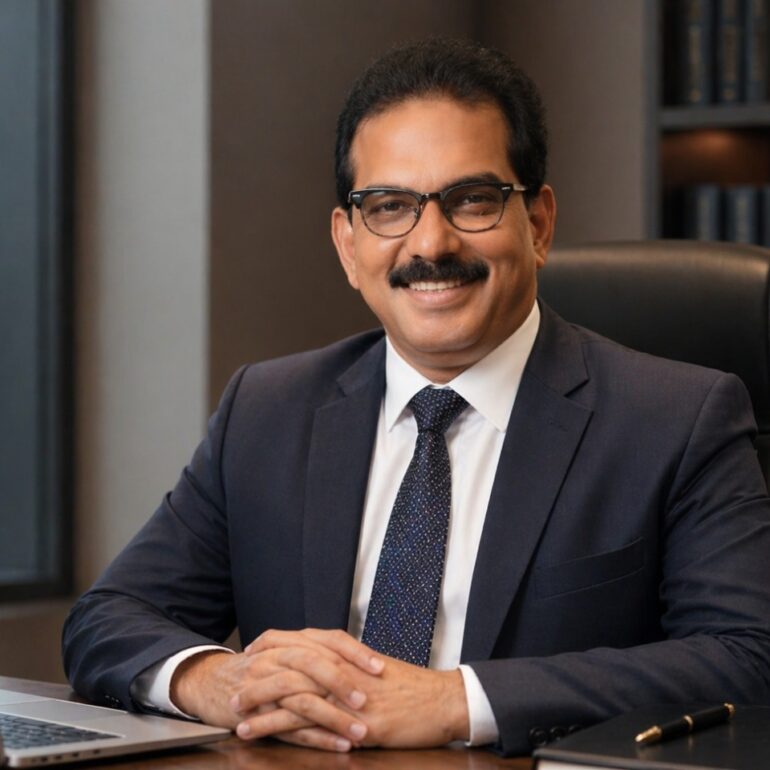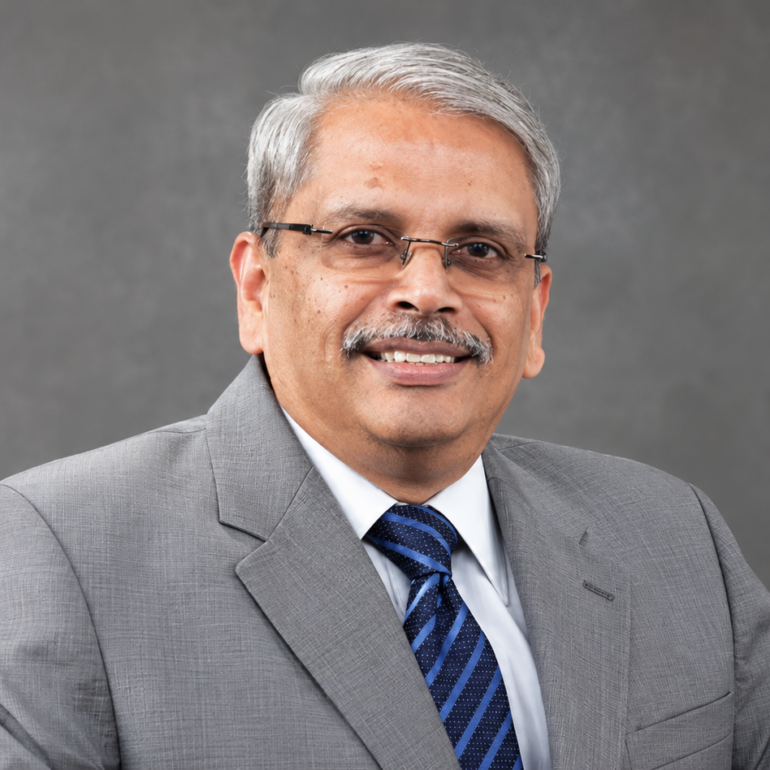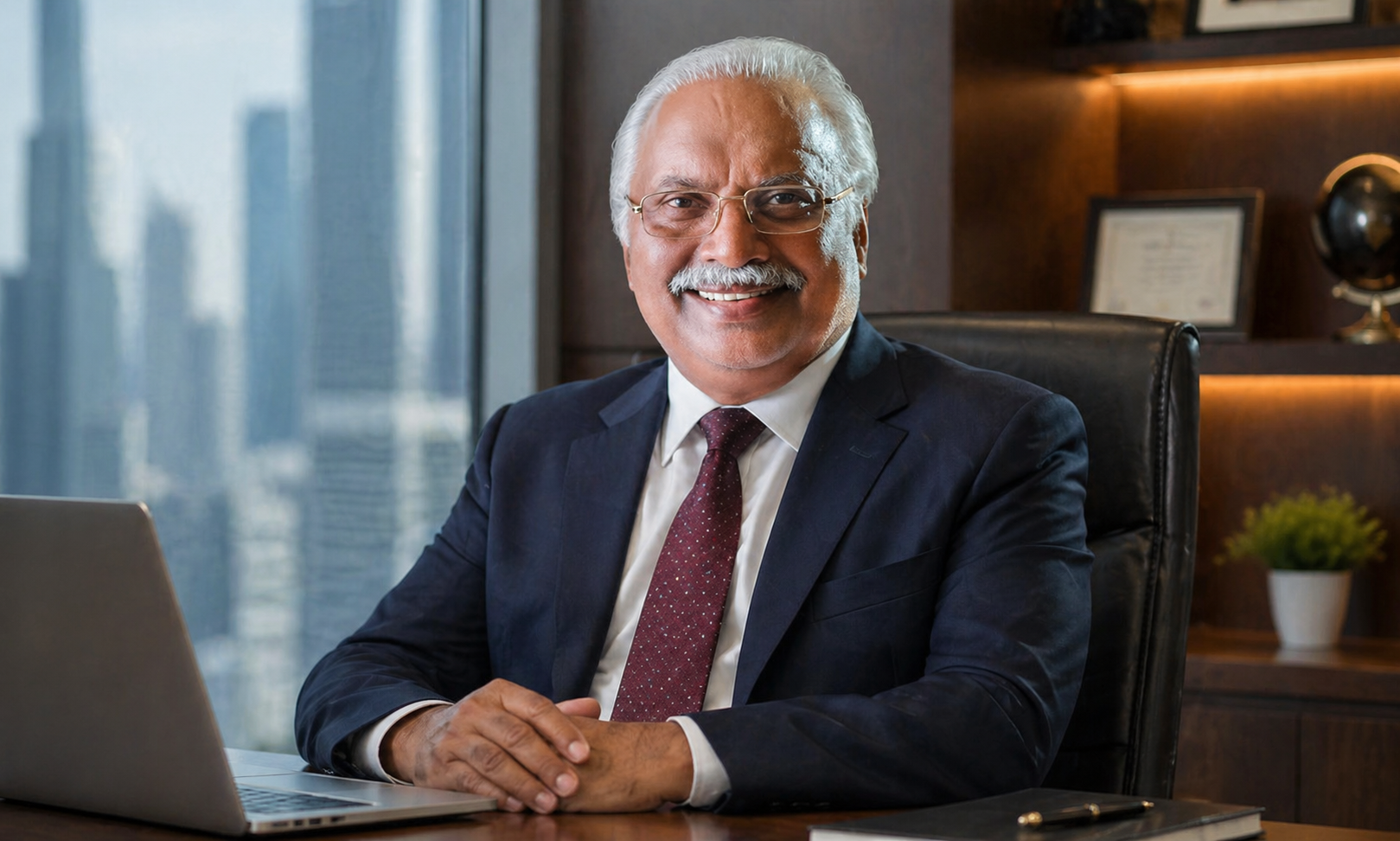
Gokulam Gopalan
Gokulam Gopalan , better known by his stage name Ambalathil Meethal Gopalan , is a South Indian businessman , film producer, distributor and actor . Gopalan is the founder and owner of the Sree Gokulam Group of Companies, which operates various entities in the fields of finance , education , healthcare , hospitality, media , real estate, transportation and sports . He is the chairman and managing director of the company Sree Gokulam Chit & Finance Co. Pvt. Ltd. As a producer and distributor under Sree Gokulam Movies, he has shaped how Malayalam and Tamil films travel, and succeed. His journey is less about spectacle than about scale, and in that quiet accumulation lies something distinctly outstanding.
Key Factors
Full Name: Gokulam Gopalan
Born: 1944
Place: Vadakara, Kerala, India
Title(s): Chairman & Managing Director, Sree Gokulam Group
Occupation(s): Businessman, Film Producer, Distributor, Actor
Known For: Building a major chit fund enterprise; Sree Gokulam Movies; ownership of Gokulam Kerala FC; investments in television and media
Origins: From Vadakara to Chennai
Gokulam Gopalan’s story begins in Vadakara, a coastal town in northern Kerala, where economic mobility often required leaving home. Like many of his generation, his early life was shaped by modest means and limited opportunities.
His move to Chennai was not driven by ambition alone, but necessity. The city, then Madras, offered employment in sectors that Kerala could not. Gopalan’s early job as a medical representative placed him in a role that demanded persistence, travel, and negotiation. It was a formative experience, one that exposed him to the rhythms of commerce and the importance of relationships.
The work was demanding and not particularly lucrative. But it provided something more valuable, an understanding of how markets function outside formal structures. That insight would later shape his entrepreneurial decisions.
The Chit Fund Bet That Built an Empire
In 1968, Gopalan founded what would become Sree Gokulam Chit & Finance. At the time, chit funds occupied a grey space between informal lending and structured finance. They relied heavily on trust, community networks, and disciplined repayment cycles.
Starting with a small group of participants, often cited as around ten members, Gopalan’s early operations were modest. But his understanding of the system’s potential was sharper than most.
Chit funds, when managed well, offer liquidity to participants who may not have access to formal banking. In a pre-digital era, this made them indispensable for small traders, households, and early entrepreneurs.
Gopalan’s approach emphasized reliability and scale. Over time, the business expanded across Tamil Nadu and Kerala, eventually becoming one of the largest chit fund companies in India. Publicly available estimates suggest a multi-thousand-crore operation, though exact figures vary depending on reporting periods.
The growth was not without challenges. The chit fund industry has historically faced regulatory scrutiny and periodic crises. Sustaining trust over decades required operational discipline and careful risk management.
Building the Sree Gokulam Group
From its financial core, Sree Gokulam Group expanded into a diversified conglomerate. Over the years, the group has moved into healthcare, education, hospitality, real estate, logistics, and media.
This diversification reflects a broader pattern among South Indian business houses, leveraging core capital into adjacent sectors. For Gopalan, the expansion appears to have been both strategic and opportunistic.
Healthcare and education investments align with long-term demand in Kerala and Tamil Nadu. Media and entertainment, on the other hand, represent both influence and cultural capital.
The group’s footprint now spans multiple states and, in some segments, extends internationally. Workforce numbers and revenue figures are not always consistently disclosed in public sources, but the scale is widely acknowledged within regional business circles.
Cinema as Strategy, Not Side Business
Gopalan’s entry into cinema through Sree Gokulam Movies is often described as diversification, but it is more accurately understood as strategic extension.
Film distribution, particularly in South India, is as much about logistics and capital as it is about content. The ability to finance, acquire, and distribute films at scale determines commercial success.
Gopalan positioned himself not merely as a producer but as a key distributor. This distinction matters. Producers create films; distributors determine how widely and effectively they reach audiences.
Under Sree Gokulam Movies, the company has been associated with several major releases across Malayalam and Tamil cinema. The strategy has often focused on acquiring distribution rights for high-potential films and ensuring wide theatrical reach.
The Manjummal Boys Phenomenon
The 2024 Malayalam film Manjummal Boys marked a turning point in the industry’s commercial trajectory. Widely reported as the first Malayalam film to cross ₹200 crore globally, it also achieved significant overseas success.
While the film’s creative success belongs to its makers, its distribution strategy played a crucial role in scaling its reach. Companies like Sree Gokulam Movies, involved in distribution, helped ensure that the film reached multiple markets efficiently.
The success of Manjummal Boys reflects a broader shift. Malayalam cinema, once considered niche outside Kerala, is now finding audiences across India and internationally. Distribution networks have become central to this expansion.
For Gopalan, this moment underscores the importance of infrastructure in cinema. Content may drive interest, but distribution determines scale.
Media Influence and Television Expansion
Gopalan’s investments extend into television, including stakes in Flowers TV and 24 News.
These ventures position him within Kerala’s media ecosystem, where television continues to play a significant role despite the rise of digital platforms. Ownership in media offers both commercial returns and influence over content distribution.
The programming strategies of these channels, focusing on entertainment and news respectively, reflect an attempt to capture different audience segments.
Sports and Cultural Capital
Through Gokulam Kerala FC, Gopalan has entered the sports domain, specifically football. The club has gained recognition in Indian football, particularly for its performance in domestic leagues and its support for women’s football.
Investments in sports often serve multiple purposes. They build brand visibility, foster community engagement, and align with broader cultural narratives.
In Kerala, where football enjoys strong grassroots support, such investments resonate deeply with local audiences.
Personal Life and Turning Points
Public narratives around Gopalan’s personal life are relatively limited, but it is known that his journey has included periods of loss and difficulty. Such experiences often shape entrepreneurial decisions, influencing risk appetite and long-term vision.
Unlike many contemporary business figures, Gopalan has maintained a relatively low public profile. His presence is more institutional than personal, reflected through the companies he leads rather than individual branding.
Leadership Style and Public Persona
Gopalan’s leadership style appears rooted in pragmatism. His businesses operate across sectors that require both financial discipline and operational flexibility.
In the film industry, he is seen as a reliable distributor, someone who can ensure that films reach markets effectively. In finance, his reputation is tied to the stability and scale of his chit fund operations.
This dual reputation reflects a broader pattern, consistency over visibility. In an era where many entrepreneurs build personal brands, Gopalan’s approach remains largely institutional.
Legacy and Future Outlook
Gokulam Gopalan’s legacy is likely to be defined by two parallel contributions. First, his role in building a large-scale financial enterprise rooted in informal credit systems. Second, his influence on the distribution and scaling of South Indian cinema.
In Kerala’s business landscape, he represents a generation that built enterprises before liberalisation and adapted to a changing economy. In cinema, he reflects the growing importance of distribution as a strategic function.
The future of his businesses will depend on how effectively they adapt to digital transformation, regulatory changes, and evolving consumer behavior. In cinema, the shift toward OTT platforms presents both opportunities and challenges.
Yet, at its core, his story remains grounded in a simple principle, scale is built gradually, through systems that endure.
The Power of Quiet Scale
Gokulam Gopalan’s journey does not rely on dramatic narratives. There is no single defining moment, no sudden breakthrough. Instead, it is a story of accumulation, of building trust in finance, reach in cinema, and presence across sectors.
In a landscape increasingly dominated by visibility and speed, his approach feels almost out of place. And yet, it is precisely this quiet persistence that has allowed his enterprises to endure.
What his story ultimately reveals is that influence does not always announce itself. Sometimes, it operates in the background, structuring industries, enabling success, and shaping outcomes.
And in that understated, methodical expansion, across finance, film, and culture, lies something enduring, and undeniably outstanding.
Awards
1996 – Gem of India Award
1997 – Bharatiya Udyog Ratna Award – Indian Society for Industry and Industrial Developments
Faima Award
Bharatiya Udyogratan – India Economic Development and Research Association
Rashtriya Udyogratan – Indian Society for Industry and Industrial Developments
2002 – Red Cross Award
P. N. Panicker Service Culture Award
T. V. R. Marar Award
Businessman of the Year Award – State Forum of Bankers Club
Millennium Award – Traders and Industrialists Coordination Committee
Pravasi Udyog Newspaper Award
2004 – Dhanashree Award
Gem of Vadakara – Jaycees
2003 – For the Sacrifice of Honor – Rotary Club District
Multibillionaire Business Achiever (MBA) Award