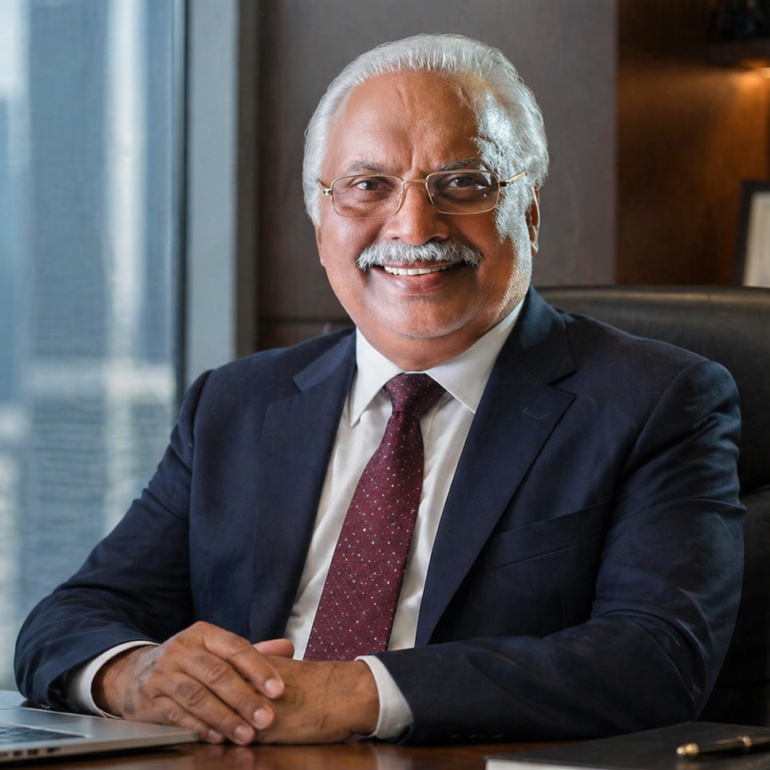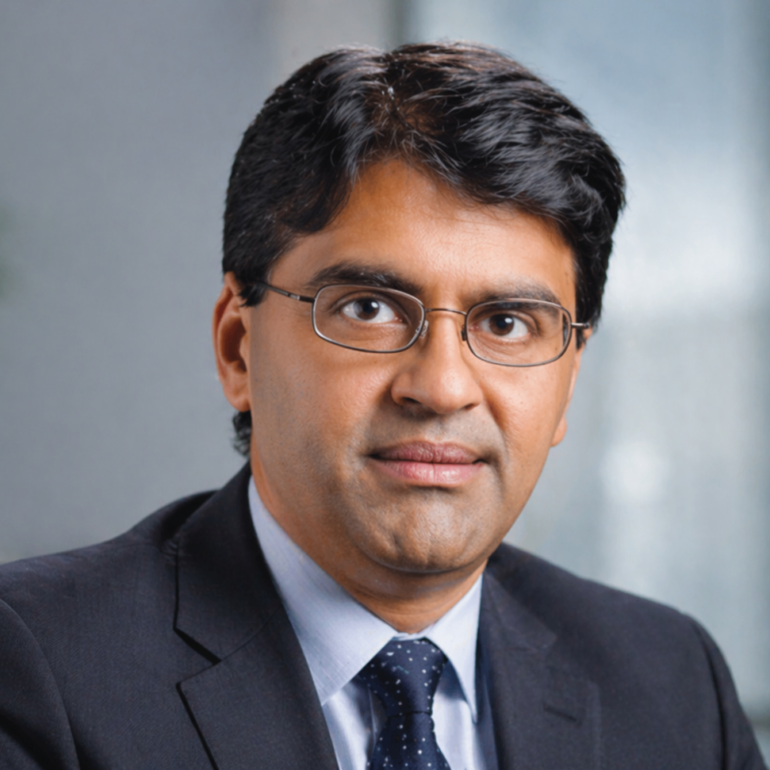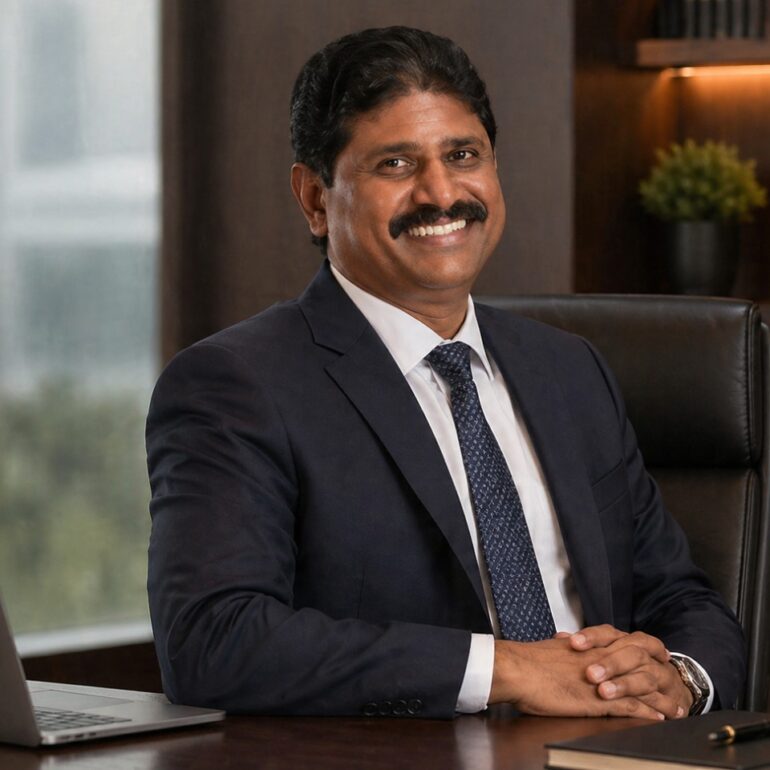
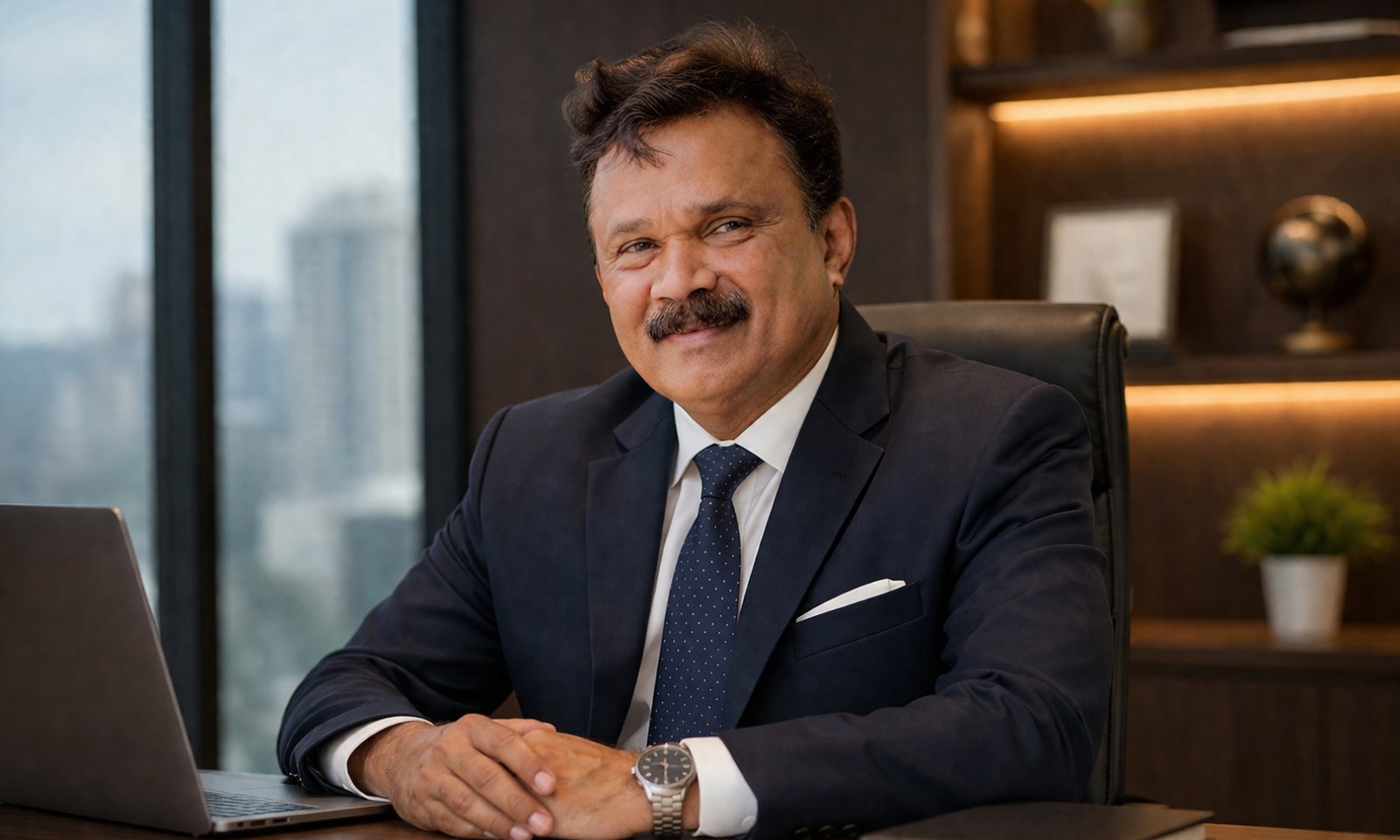
Prakash Parakkat
Founder and Chairman of Parakkat Jewels
Prakash Parakkat is the founder and Chairman of Parakkat Jewels (Parakkat Pearls & Jewels), a prominent brand specializing in 24-carat gold-layered designer ornaments based in Kerala, India. He spearheads the Parakkat Group, which has expanded from jewellery into sectors like construction (Parakkat Builders) and hospitality (Parakkat Resorts). He has extensive experience in the jewelry industry, focusing on innovative, durable designer ornaments. He runs the Parakkat Group with his wife, Preethi Parakkat (Managing Director of Public Relations), and their sons, Abhijith Parakkat and Abhishek Parakkat, who manage operations, sales, and marketing. He is associated with several active firms as a director, including Parakkat Pearls And Jewels (India) Private Limited, Parakkat Resorts Private Limited, and Parakkat Builders And Developers Private Limited.
Key Facts
Full Name: Prakash Parakkat
Place: Kalady, Ernakulam, Kerala
Title: Chairman, Parakkat Group of Companies
Occupation: Entrepreneur, Business Leader
Known For: Founder of Parakkat Jewels; pioneer in one-gram gold layered jewellery; diversification into hospitality and lifestyle ventures
A Moment of Intuition
Some business decisions are made in boardrooms. Others emerge in quieter, almost accidental moments. For Prakash Parakkat, one such moment reportedly came at a jewellery exhibition, where he encountered the concept of one-gram gold layered ornaments. It was not an obvious breakthrough. Kerala’s jewellery culture has long been anchored in purity, weight, and investment value. Anything outside that framework risked being dismissed as inferior.
Yet Parakkat saw something else, a gap between aspiration and affordability. He recognised that consumers did not always want gold as an asset; sometimes, they wanted it as expression. That insight would eventually shape the foundation of his enterprise.
Early Life and Entrepreneurial Instinct
Public documentation of Parakkat’s early life remains limited, and specific biographical details are not widely reported. What emerges instead is a pattern common among Kerala’s first-generation entrepreneurs: exposure to trade, a willingness to experiment, and an ability to identify emerging consumer behaviour.
He did not begin with the scale or institutional backing of established jewellery houses. His entry into business appears to have been gradual, grounded in observation and small-scale execution rather than immediate expansion.
This matters. In Kerala’s business ecosystem, particularly in jewellery, credibility is often inherited. Building it from scratch requires not just capital, but conviction.
The Birth of Parakkat Jewels
Around 1990, Parakkat formally entered the jewellery business, opening initial showrooms in Sreemoolanagaram and Kalady. These were not high-profile launches but modest beginnings that allowed him to test both product and market response.
The real turning point came with the decision to focus on one-gram gold layered jewellery. Inspired by what he had seen at the “Swarnalokham” exhibition, he moved toward a product category that was still peripheral in mainstream markets.
This was a calculated risk. Traditional jewellers focused on 22-carat or 24-carat gold as investment pieces. Layered jewellery, by contrast, sat in a different psychological category, closer to fashion than finance.
Parakkat’s decision effectively redefined the value proposition.
Disrupting the Jewellery Market
The idea behind one-gram gold layered jewellery is deceptively simple: create ornaments that replicate the look and feel of gold, without the associated cost.
What differentiated Parakkat Jewels was its attempt to position these products not as temporary substitutes but as durable, long-term alternatives. The company emphasised features such as longevity, consistent finish, and the use of relatively safer base metals like copper and silver, avoiding materials like nickel and chromium that are commonly associated with allergies.
This approach reframed the product category. Instead of being seen as imitation jewellery, it began to occupy a hybrid space, aspirational yet accessible.
In a state where gold is deeply tied to cultural identity, particularly in weddings and rituals, this shift was significant. It allowed consumers to participate in tradition without the financial burden of heavy gold purchases.
Scaling the Brand
Over time, Parakkat Jewels expanded beyond its initial markets, building a network of showrooms across Kerala and parts of Tamil Nadu, and reportedly extending into international locations such as Malaysia.
While exact figures on revenue or market share are not publicly available, the scale of operations, including over 100 showrooms and a growing online presence, suggests a steady expansion strategy.
Unlike many modern startups that prioritise rapid, venture-backed growth, Parakkat’s model appears to have relied on incremental scaling. Each showroom functioned as both a sales point and a trust-building mechanism.
Customer policies such as lifetime warranty, exchange options, and money-back guarantees reinforced this trust. These are not merely marketing tools; in jewellery retail, they are signals of long-term commitment.
Family as Infrastructure
One of the defining characteristics of the Parakkat Group is its deeply embedded family structure.
Preethi Parakkat, his wife, plays a central role in operations and design, overseeing the jewellery division and contributing directly to product development. Her involvement reflects a broader trend in Kerala’s family businesses, where leadership is often distributed rather than hierarchical.
The next generation has also taken on defined roles. Abhishek Parakkat is associated with marketing and brand positioning, while Abhijit Parakkat oversees the hospitality arm, including the resort business. Extended family members contribute to areas such as production and procurement.
This structure creates both resilience and risk. While it allows for tight control and shared vision, it also requires careful alignment as the business scales.
Diversification Beyond Jewellery
Like many entrepreneurs who achieve stability in one sector, Parakkat eventually looked beyond jewellery.
The group’s entry into hospitality through Parakkat Nature Resort in Munnar marks a strategic shift. Located within a tea plantation landscape, the resort positions itself as a boutique, experience-driven property, blending natural surroundings with curated amenities.
The move into tourism is not incidental. Kerala’s hospitality sector has grown significantly over the past two decades, driven by both domestic and international travel. For a brand already associated with lifestyle and aesthetics, hospitality offers a natural extension.
However, diversification also introduces complexity. Unlike jewellery retail, which operates on inventory and distribution, hospitality demands continuous operational excellence and capital-intensive management.
Vertical Integration: The Wedding Economy
The launch of the Parakkat Wedding Company reflects another layer of strategic thinking.
Weddings in India, particularly in Kerala, are multi-industry events involving jewellery, fashion, photography, and event management. By entering this space, Parakkat attempts to integrate multiple services under one umbrella, from bridal jewellery to photoshoots and styling.
This approach aligns with a broader trend in Indian entrepreneurship: moving from single-product businesses to ecosystem-driven models.
It also indicates an understanding that value lies not just in products, but in experiences.
Craftsmanship and Cultural Continuity
Despite its modern positioning, Parakkat Jewels maintains a strong connection to traditional Kerala ornament design.
The company has reportedly produced customised items ranging from ceremonial crowns to symbolic artefacts and religious offerings.
These efforts serve two purposes. They reinforce cultural legitimacy, crucial in a conservative market, and they differentiate the brand from purely commercial competitors.
At a time when many jewellery brands are moving toward globalised designs, Parakkat’s emphasis on local aesthetics offers a counterpoint.
Leadership Philosophy
Prakash Parakkat’s leadership style appears to be rooted in pragmatism rather than visibility.
He is not widely known for public commentary or aggressive media presence. Instead, his approach seems focused on execution, incremental growth, and long-term positioning.
The core elements of his philosophy, as inferred from business decisions, include:
- Identifying underserved market segments
- Prioritising customer trust over short-term margins
- Leveraging family as a strategic asset
- Expanding cautiously into adjacent sectors
This is not a model built for rapid disruption. It is designed for endurance.
Future Direction
Looking ahead, the Parakkat Group appears to be focusing on expansion within South India, particularly in Tamil Nadu and the Malabar region of Kerala, along with potential international growth.
In hospitality, there are indications of further projects, including more premium offerings that blend wellness and tourism.
At the same time, the jewellery sector itself is evolving. Digital commerce, changing consumer preferences, and increasing competition from both organised and unorganised players are reshaping the market.
For Parakkat, the challenge will be maintaining differentiation in a segment that is no longer niche.
Reflection
Prakash Parakkat’s journey does not follow the archetype of India’s high-profile entrepreneurs. There are no dramatic pivots or headline-grabbing funding rounds. Instead, it is a story of observation, adaptation, and steady execution.
By identifying a gap between aspiration and affordability, he built a business that resonates with a broad consumer base. By involving his family, he created an operational structure that blends continuity with flexibility. And by diversifying into adjacent sectors, he signalled an ambition that goes beyond a single industry.
In a landscape often dominated by scale and speed, his approach stands out for its patience. It is this consistency, rather than spectacle, that defines his legacy, one that continues to evolve with an outstanding sense of grounded entrepreneurship.