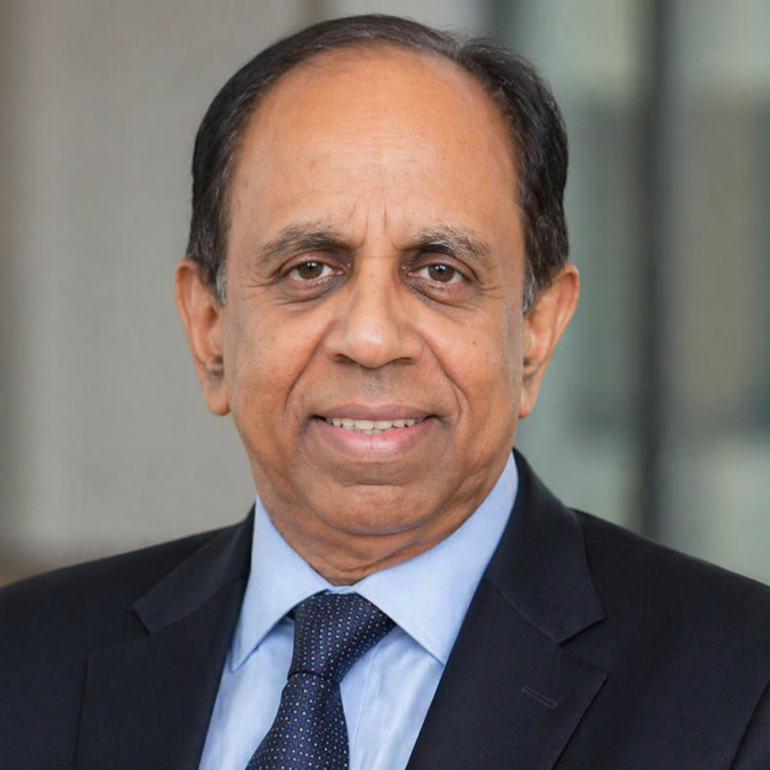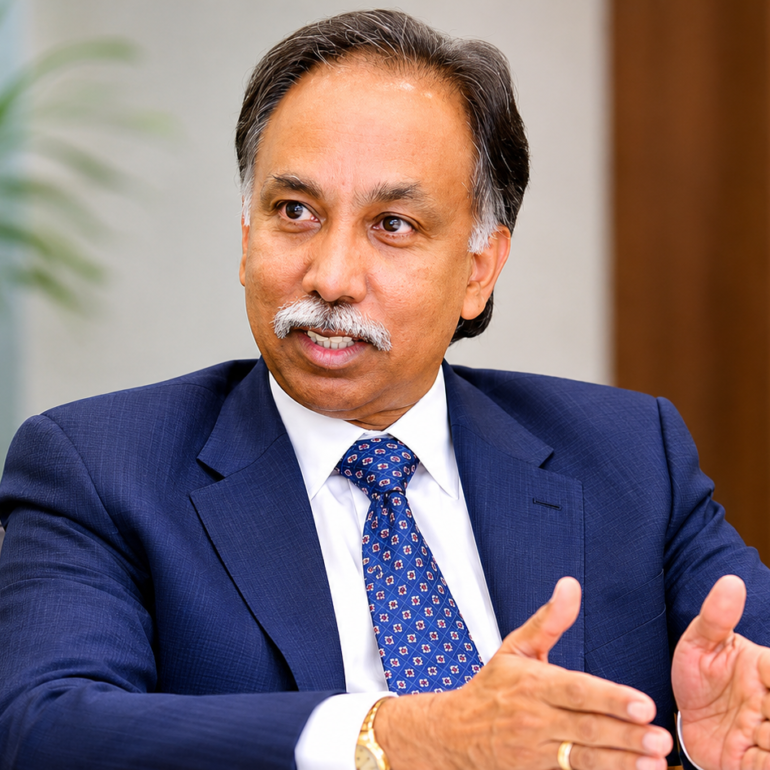
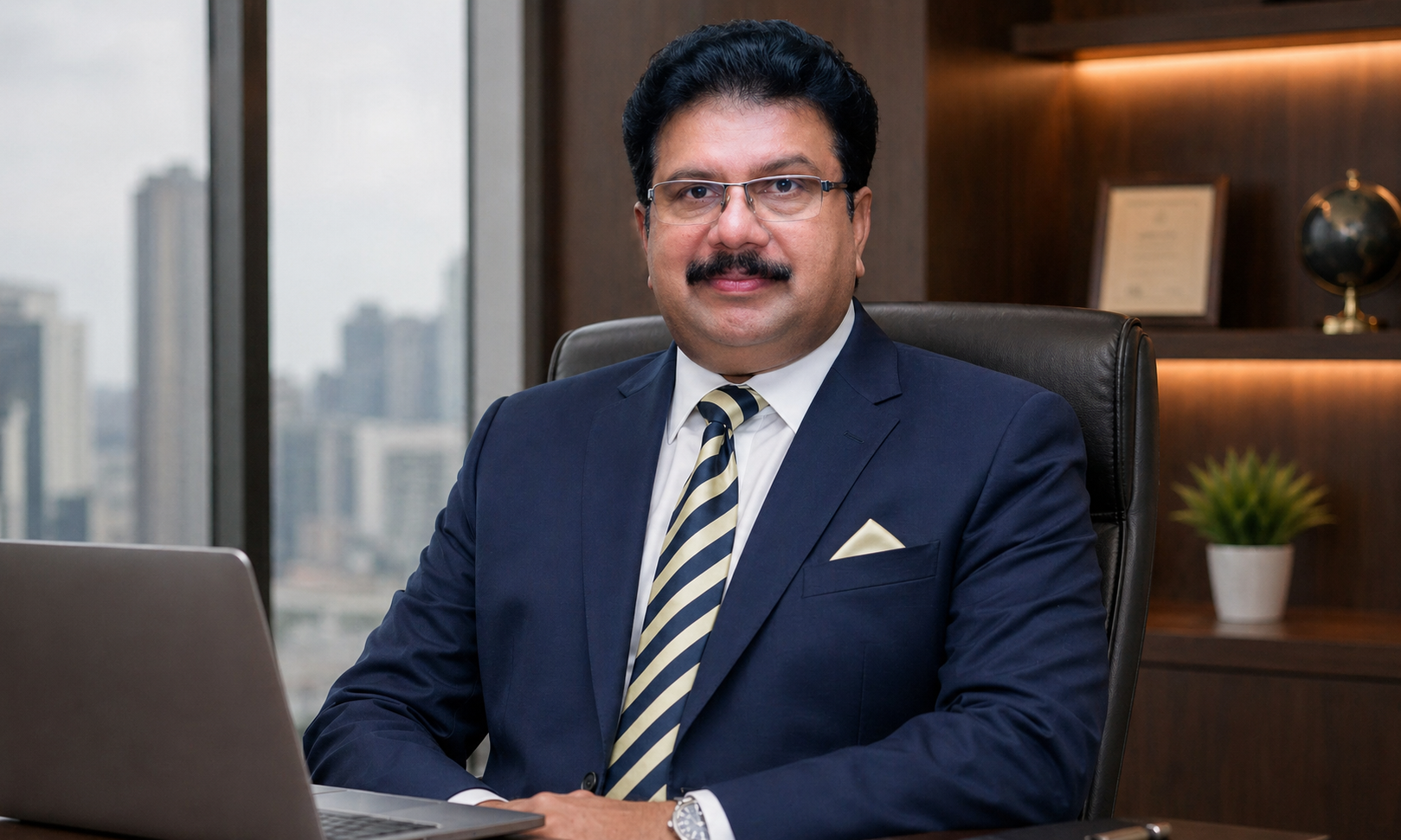
Dr. Varghese Kurian
Entrepreneur, Industrialist
Dr. Varghese Kurian is a prominent Bahrain-based entrepreneur and Chairman of VKL Holdings and Al Namal Group of Companies, established in 1992. As a pioneering businessman, he has developed over 200 residential/commercial properties and manages hotels, construction, and property projects across the Gulf and India. As Chairman of VKL Holdings and Al Namal Group of Companies, he has shaped enterprises across Bahrain and the wider Gulf while simultaneously investing in Kerala’s infrastructure and tourism landscape. His work spans construction, hospitality, and large-scale development, but the underlying thread is consistent: leveraging diaspora capital to reimagine regional economies. His journey reflects both the ambition and complexity of cross-border entrepreneurship, marked by an outstanding ability to think beyond immediate markets.
Key Facts
Full Name: Dr. Varghese Kurian
Place: Seethathodu, Pathanamthitta, Kerala (widely reported)
Title: Chairman, VKL Holdings & Al Namal Group of Companies
Occupation: Entrepreneur, Industrialist
Known For: Gulf-based business empire, tourism investments in Kerala, philanthropy
Bridging Shores
On the backwaters of Kerala, where tourism brochures promise serenity, the reality has long been more fragmented, uneven infrastructure, inconsistent hospitality standards, and missed opportunities. For decades, the state’s tourism potential has been acknowledged more often than it has been executed at scale.
Dr. Varghese Kurian’s business story intersects with this gap. His investments in Kerala are not incidental; they reflect a deliberate attempt to bring Gulf-style infrastructure thinking into a region that has traditionally relied on smaller, fragmented enterprises. His work sits at the intersection of aspiration and execution, where diaspora capital meets local complexity.
From Civil Engineer to Gulf Entrepreneur
Kurian’s journey begins in Kerala’s Pathanamthitta district, in Seethathodu, a region far removed from the global business networks he would later navigate. Trained as a civil engineer, he migrated to Bahrain in the 1980s, part of a broader wave of Malayali professionals seeking opportunity in the Gulf.
The Gulf of that era was undergoing rapid transformation, driven by oil revenues and infrastructure expansion. For engineers, it offered both employment and exposure to large-scale projects rarely seen in India at the time.
Kurian’s early years in construction provided him with more than technical experience. They offered insight into how infrastructure projects are financed, executed, and scaled. By 1992, he had founded what would evolve into VKL Holdings and its associated entities under the Al Namal umbrella.
The transition from employee to entrepreneur was not unusual in the Gulf, but sustaining and expanding a business across sectors required a different level of execution.
Building a Diversified Empire
Over the years, Kurian expanded his business interests across multiple sectors, construction, oil and gas services, dredging, trading, and other industrial activities. Publicly available information suggests that the group employs thousands of people across operations, though precise figures are not consistently disclosed.
The diversification strategy reflects a pragmatic approach to Gulf economies. Unlike startups that focus on a single vertical, traditional Gulf-based conglomerates often spread across sectors to manage risk and capture opportunities tied to infrastructure growth.
Construction remains central, given the region’s continuous investment in urban development. However, branching into adjacent sectors allows companies like VKL and Al Namal to participate in broader value chains.
Kurian’s positioning in Bahrain is particularly notable. While the UAE often dominates narratives around Gulf entrepreneurship, Bahrain offers a different environment, smaller, but strategically located and business-friendly. Building scale from there requires both local integration and regional reach.
Betting on Kerala’s Tourism Potential
If Kurian’s Gulf ventures reflect expansion, his investments in Kerala reflect intent.
One of the most visible examples is the development associated with Radisson Blu Kochi, commonly linked to the “Dream Hotel” concept. This project marked a shift from traditional Kerala hospitality to more globally aligned hotel infrastructure.
Collaborations with international hospitality groups, including entities connected to Stay Well Holdings, signaled an attempt to bring standardized service models into the state.
Similarly, projects like Leisure Inn Kochi reflect a mid-market positioning aimed at business and transit travelers, rather than purely leisure tourism.
These investments are not just about building hotels. They are about reshaping expectations, introducing scale, standardization, and integration into a sector that has traditionally operated in silos.
Mega Projects and Regional Transformation
Kurian’s ambitions extend beyond individual properties. His projects in Kerala have often been framed around larger development narratives.
Near Technopark, proposals for integrated developments reflect a recognition of the region’s growing IT ecosystem. Combining hospitality, residential, and commercial infrastructure around such hubs is a model widely used in global cities but still evolving in Kerala.
In Alappuzha, plans for luxury resorts near Punnamada Lake tap into the backwaters’ global appeal. However, executing such projects involves navigating environmental regulations, local governance, and community concerns.
The proposed township development on land linked to Tecil Chemicals in Kottayam reflects another layer, urban transformation. Such projects, if executed fully, could reshape local economies, but they also face long gestation periods and regulatory complexities.
Visionary, Sometimes Ahead of His Time
Kurian’s attempt to introduce seaplane connectivity in Kerala is often cited as an example of forward-thinking that ran into systemic constraints.
The idea was simple, connect key tourist destinations quickly using amphibious aircraft. In a state where road infrastructure can be slow and fragmented, the concept had clear advantages.
Yet, implementation faced resistance, environmental concerns, regulatory hurdles, and operational challenges. The project did not scale as envisioned.
This episode highlights a recurring tension in Kerala’s development story, the gap between visionary ideas and institutional readiness. Entrepreneurs like Kurian often find themselves navigating not just markets, but governance ecosystems that can be cautious or slow-moving.
The Philanthropist
Beyond business, Kurian’s philanthropic work is relatively well documented in regional reporting.
During the 2018 Kerala floods, he reportedly contributed significant financial support, with figures around ₹8 crore often cited in media coverage, though exact allocations across initiatives are not always publicly itemized.
Rehabilitation efforts in regions like Kuttanadu and Seethathodu included housing reconstruction and community support. Such interventions reflect a pattern seen among diaspora entrepreneurs, where business success is tied to visible social contributions in home regions.
Unlike structured CSR programs of large corporations, these initiatives are often more direct, but also less systematically documented.
Global Recognition and Influence
Kurian has received national recognition, including the Pravasi Bharatiya Samman in 2014, one of the highest honors for overseas Indians.
His involvement in advisory roles, including associations with tourism bodies such as the Sri Lanka Tourism Development Authority, suggests influence beyond his immediate business operations, though the extent and duration of such roles vary across reports.
Participation in initiatives like Inkel Limited aligns with his broader interest in infrastructure-led development.
These engagements position him not just as a businessman, but as a stakeholder in regional development conversations.
Leadership Philosophy and Legacy
Kurian’s approach to business reflects a blend of engineering discipline and entrepreneurial risk-taking.
His projects often involve long gestation periods, whether in construction or hospitality, indicating a willingness to invest in infrastructure rather than quick-return ventures. This contrasts with newer startup models that prioritize rapid scaling and exit strategies.
For many Gulf-based Malayali entrepreneurs, his journey represents a template, start with technical expertise, build a foothold in the Gulf, diversify, and eventually invest back in Kerala.
Yet, his career also underscores the challenges of cross-border entrepreneurship. Success in the Gulf does not automatically translate into seamless execution in India, where regulatory, social, and political dynamics differ significantly.
A Bridge Still Being Built
Dr. Varghese Kurian’s story is not easily reduced to a single narrative. It spans continents, sectors, and decades, moving from construction sites in Bahrain to boardrooms shaping tourism projects in Kerala.
His work reflects a broader phenomenon, the role of diaspora capital in regional development. But it also reveals the friction inherent in such efforts, between vision and execution, ambition and regulation.
In a state like Kerala, where development debates often oscillate between preservation and progress, entrepreneurs like Kurian occupy a complicated but necessary space.
His legacy is still unfolding, not just in completed projects, but in the ideas he has introduced, about scale, integration, and long-term thinking. Whether all of those ideas materialize fully remains uncertain. But the attempt itself, to bridge geographies and reimagine regional economies, is both ambitious and, in many ways, outstanding.