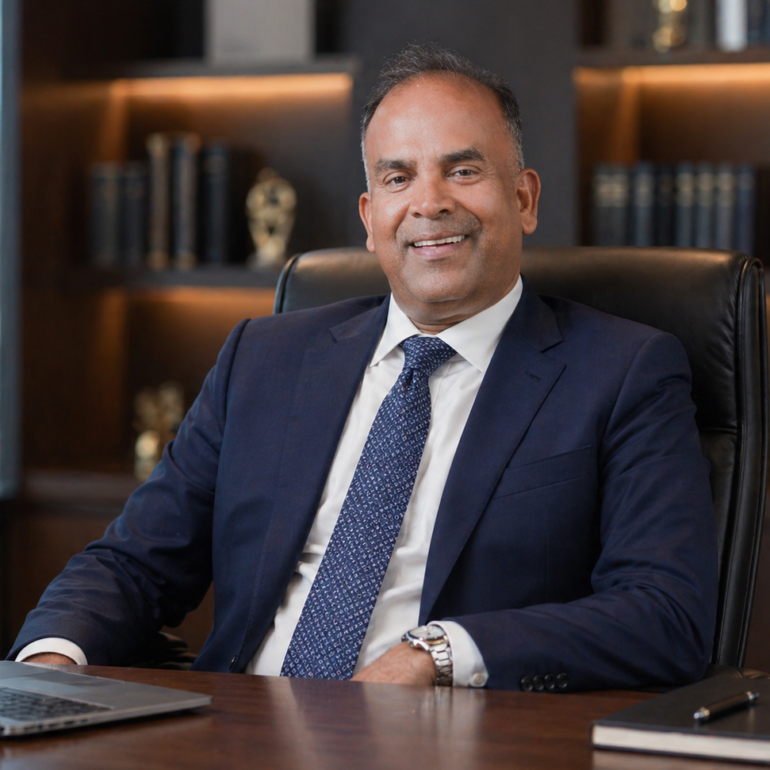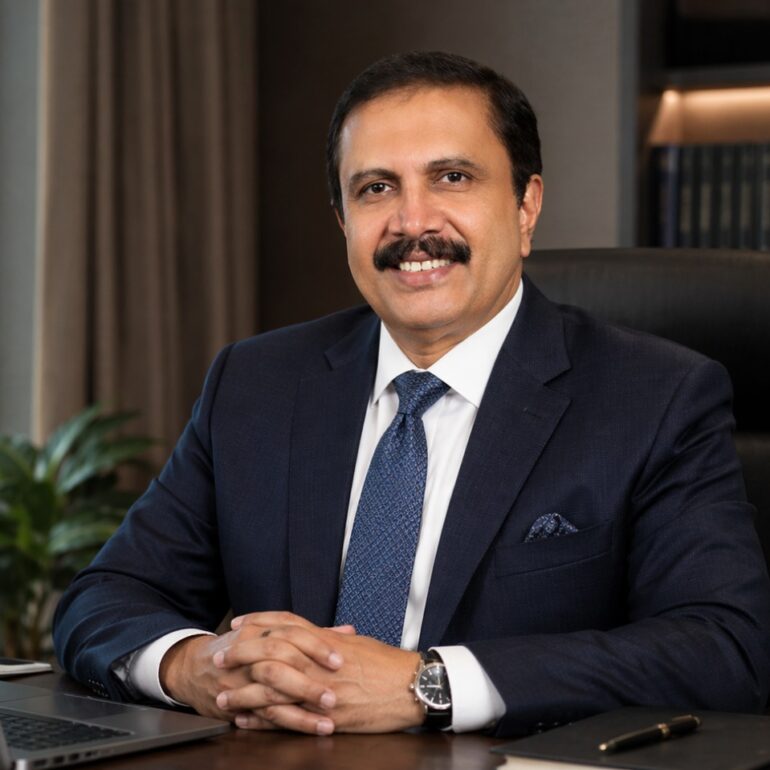
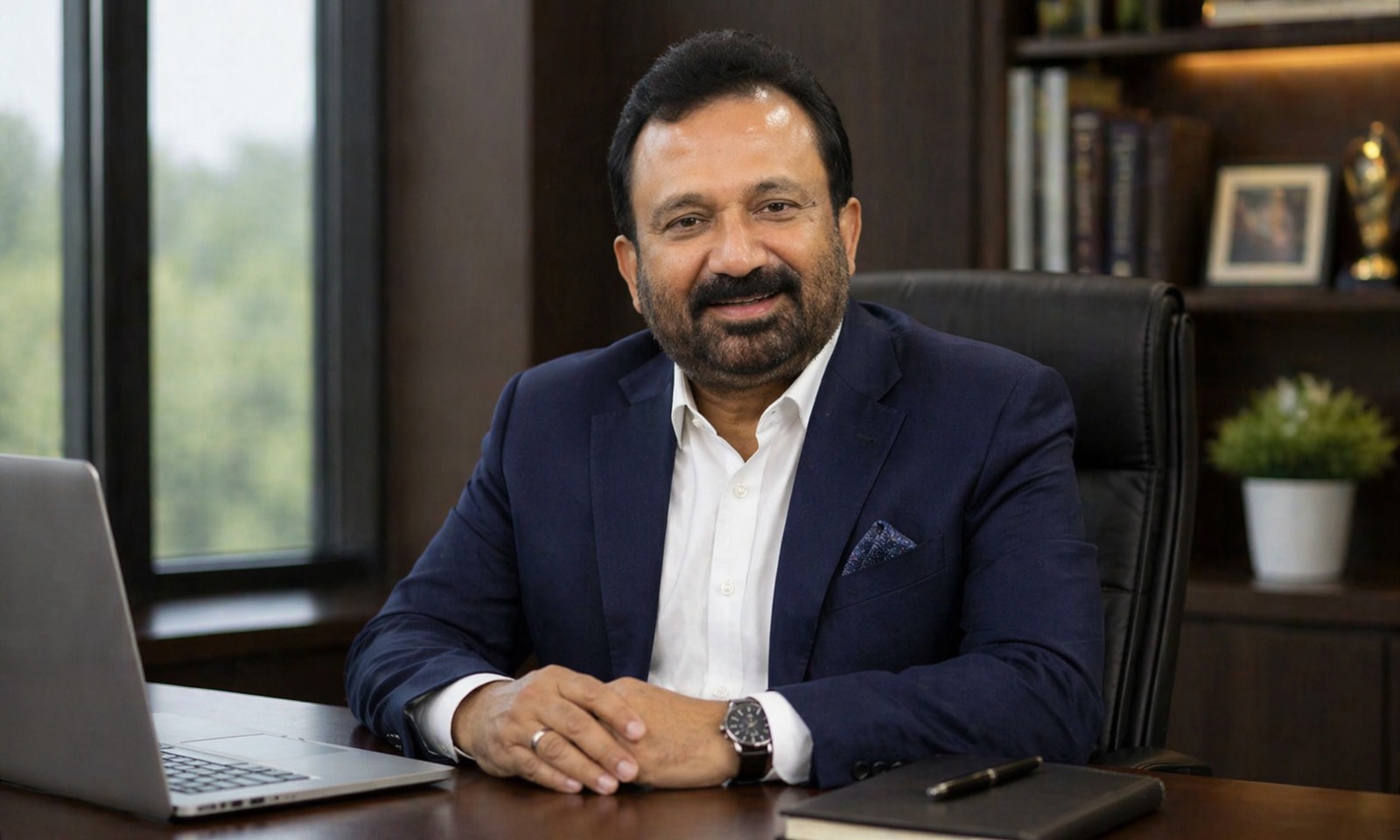
Gopu Nandilath
Chairman and founder of Nandilath G-Mart
Gopu Nandilath is the Chairman and founder of Nandilath G-Mart, a prominent retail chain for home appliances and electronics in Kerala, India. He is recognized for growing Nandilath G-Mart into a major household name in Kerala with numerous showrooms across the state, including in Thrissur, Kochi, and Thiruvananthapuram. Based in Thrissur, he established the group over 30 years ago, focusing on providing, international, and modern appliances at reduced rates by sourcing directly from manufacturers.
Key Facts
Place: Thrissur, Kerala, India
Title: Founder of Nandhilath Group
Where the Sale Becomes a Relationship
On a festival weekend in Kerala, the electronics showroom becomes a theatre of decisions. Families move between rows of televisions and refrigerators, negotiating budgets, brand names, and urgency. A salesman leans in, not with pressure but with familiarity, he has seen this hesitation before. Somewhere between the first question and the final bill, a quiet transaction unfolds, not just of goods, but of trust. At the center of many such moments stands Gopu Nandilath, the entrepreneur behind Nandilath G-Mart. His business did not grow on disruption or scale alone. It grew on repetition, consistency, and an instinctive understanding of Kerala’s middle-class buyer. It is an outstanding example of how retail, when rooted in local psychology, can outlast louder competition.
Learning the Trade from the Ground Up
Kerala’s retail economy has historically been shaped by individuals who learned business not in classrooms but on shop floors. Gopu Nandilath’s journey fits this pattern.
Publicly documented accounts trace his early years to modest beginnings, where exposure to trade came early. Entry into the electronics and appliance segment was not driven by a grand vision but by proximity to opportunity. At the time, consumer electronics in Kerala were transitioning from luxury goods to aspirational necessities.
Televisions, refrigerators, and later washing machines were increasingly entering middle-class homes. But the retail environment remained fragmented. Customers often depended heavily on the credibility of the seller rather than structured brand ecosystems.
This environment became Nandilath’s training ground. He learned quickly that selling electronics was not just about inventory. It was about explanation, reassurance, and after-sales accountability.
The Birth of Nandilath G-Mart: A Store with a Clear Promise
The founding of Nandilath G-Mart marked a shift from individual trading to structured retail.
The early model was straightforward but deliberate. Offer reliable products, maintain competitive pricing, and build relationships strong enough to bring customers back.
Unlike high-end electronics retailers that focused on premium segments, Nandilath positioned itself within the core of Kerala’s consumption base, the middle class.
The first store experience mattered. Customers needed to feel comfortable asking questions. They needed clarity on pricing. They needed assurance that what they were buying would work as promised.
This approach created a subtle but important differentiation.
While competitors focused on margins or scale, Nandilath focused on conversion through trust.
Cracking Kerala’s Retail Code: Understanding the Buyer
Kerala’s consumer is distinct.
High literacy, exposure to global products, and strong price awareness combine to create a buyer who is informed but cautious. Value matters, but so does reliability.
Nandilath G-Mart’s growth reflects an acute understanding of this psychology. Pricing strategy was central. Competitive pricing without compromising on product authenticity helped build credibility. Flexible financing options, especially during festive seasons, expanded accessibility.
Equally important was communication. Sales staff were not just sellers. They acted as interpreters of technology. This reduced hesitation among first-time buyers and increased confidence in decision-making.
Over time, this model created a feedback loop. Satisfied customers returned. They brought others. Word-of-mouth became a primary growth engine.
Scaling Without Losing Identity
As the business grew, expansion followed.
Nandilath G-Mart gradually increased its presence across Kerala, moving from single-store operations to a network of showrooms. Each new location was not just a sales point but a reinforcement of brand identity.
Location strategy played a role. Stores were often positioned in accessible urban and semi-urban centres, aligning with areas of rising consumption.
Brand building, however, remained understated. Unlike national chains that rely heavily on advertising, Nandilath’s recall has been shaped by visibility and consistency. The store itself becomes the brand.
Vendor relationships strengthened as scale increased. Partnerships with major appliance and electronics brands allowed better pricing and product availability.
Yet, despite expansion, the core proposition remained unchanged. Affordable, reliable, and familiar.
Discipline Over Disruption
Gopu Nandilath’s approach to business reflects a practical, experience-driven philosophy.
Decisions appear grounded in operational realities rather than aggressive growth narratives. Expansion is measured. Inventory is managed carefully. Customer relationships remain central.
Risk-taking exists, but it is controlled. In a sector where overexpansion can quickly erode margins, this discipline becomes a competitive advantage.
Leadership style also reflects continuity. Employees are often seen as extensions of the brand. Customer interactions are treated as long-term investments rather than one-time transactions.
This creates a culture that prioritises stability over volatility.
Competing in a Changing Retail Landscape
The electronics retail sector has undergone significant transformation over the past decade.
E-commerce platforms have introduced price transparency and convenience at scale. National chains like Reliance Digital and others have standardised retail experiences.
For regional players like Nandilath G-Mart, this creates pressure on multiple fronts. Margins are tighter. Customers are more informed. Brand loyalty is harder to sustain.
Inventory risks have increased. Products depreciate quickly as technology cycles shorten. Yet, these challenges also highlight Nandilath’s strengths.
Physical stores provide immediacy, product experience, and human interaction, elements that digital platforms struggle to replicate fully.
The question is not whether regional retailers can survive, but how they evolve.
What Sets Nandilath G-Mart Apart
Differentiation in electronics retail is subtle. For Nandilath, it lies in consistency.
Customer experience remains predictable. Pricing remains transparent. After-sales service remains accessible.
This combination creates reliability, a quality often undervalued in discussions of retail innovation.
Operationally, the brand benefits from local knowledge. Understanding regional demand patterns, festival cycles, and purchasing behaviour allows better alignment of inventory and promotions.
Competitors such as Pittappillil Agencies and White Mart operate within similar ecosystems, but differentiation emerges through execution.
In this space, small differences compound over time.
Future Outlook
Nandilath G-Mart today occupies a stable position within Kerala’s electronics retail landscape.
It is neither the largest nor the most aggressively expanding player. But it is among the most recognisable.
Its legacy is tied to a specific kind of growth, incremental, trust-driven, and regionally anchored.
Looking ahead, the business faces strategic choices. Digital integration will be essential. Hybrid retail models, combining online engagement with offline fulfilment, may define the next phase. Partnerships and service innovation could play larger roles.
At the same time, the core strength, customer trust, must remain intact. For Gopu Nandilath, success appears less about scale alone and more about continuity.
His journey reflects a broader truth about Kerala’s retail economy. That businesses built on understanding people, not just markets, tend to endure. And that endurance, quiet, consistent, and grounded, is what makes his story outstanding.