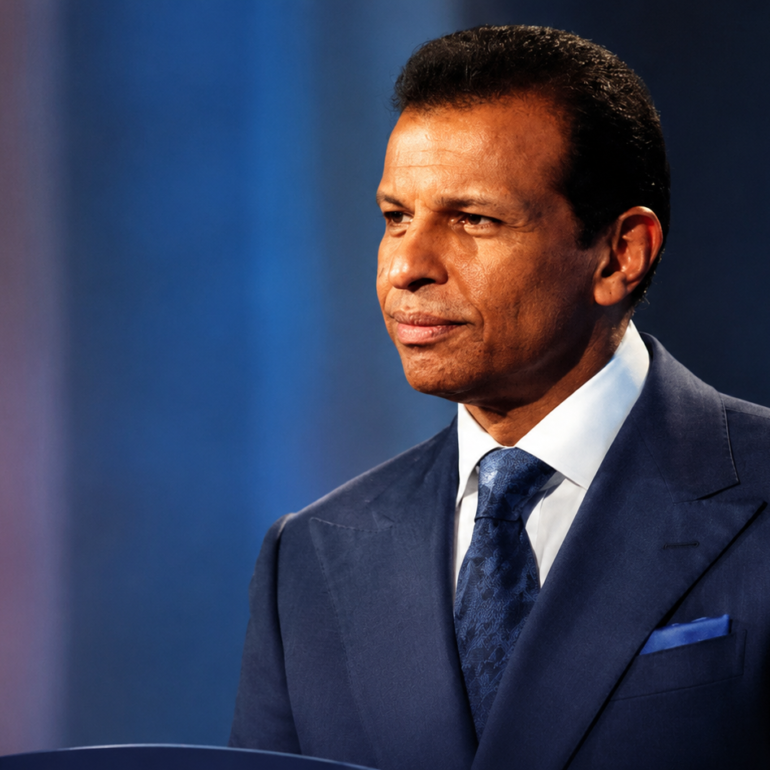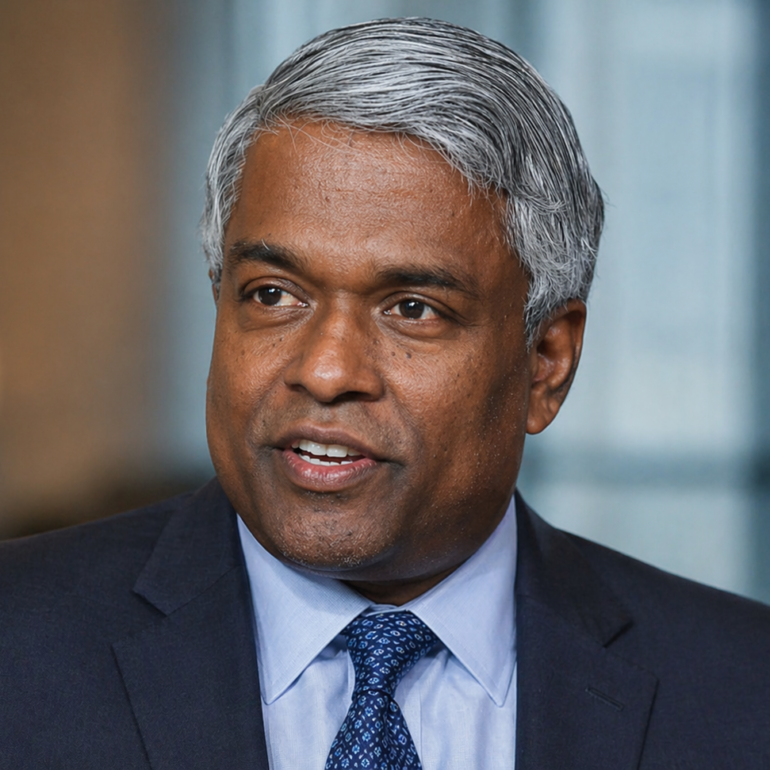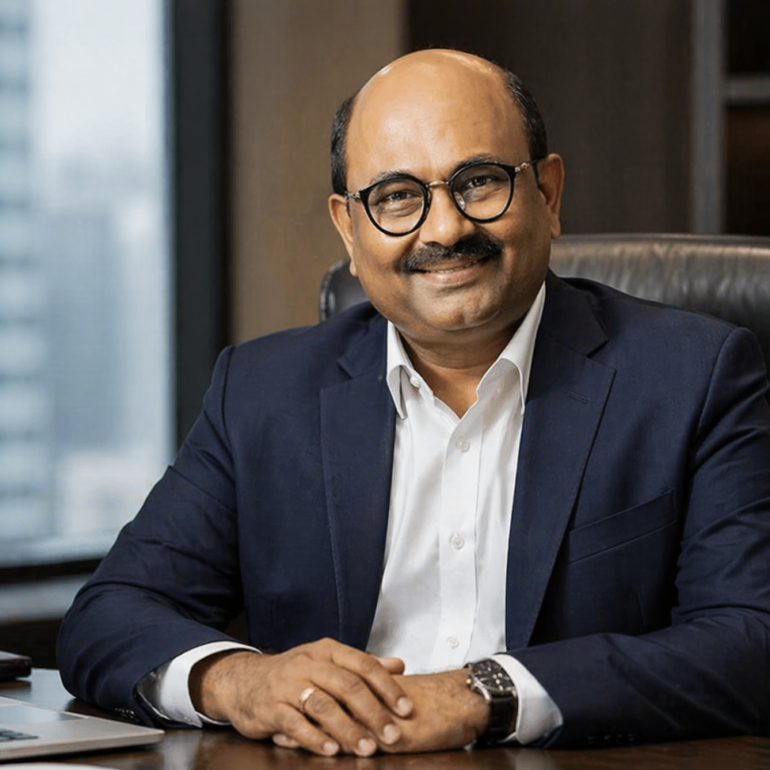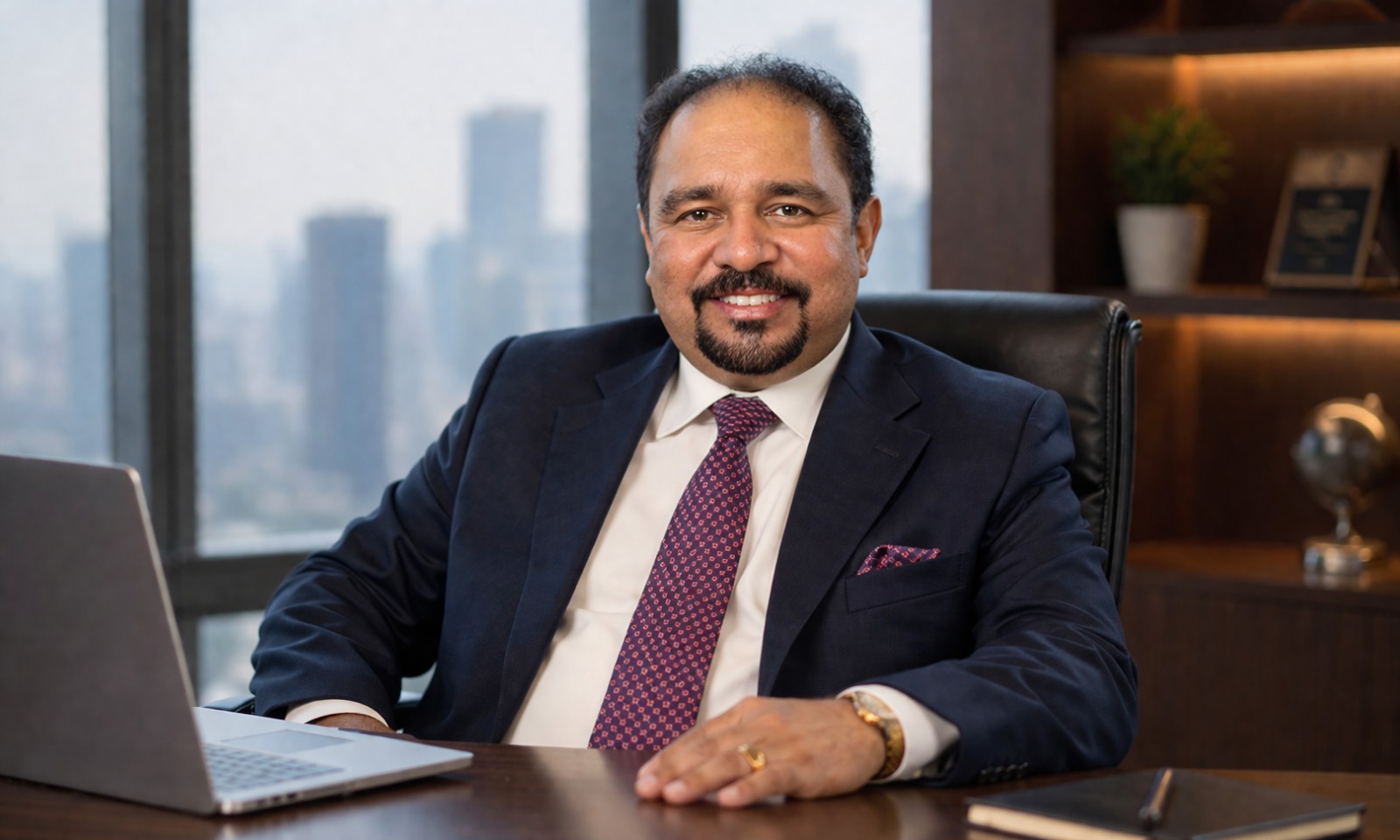
Sundar Menon
Indian entrepreneur, and the founder of The Sun Group International
Sundar Menon is a GCC-based Indian entrepreneur, and the founder of The Sun Group International. He graduated in economics, and further completed an MBA. The European Continental University (EUC-USA) awarded him with an Honorary Doctorate in 2015 for his contributions towards the economic development of the GCC. As the founder of The Sun Group International, he built a business presence spanning petrochemicals, logistics, and real estate across multiple geographies. His trajectory reflects both the promise of diaspora entrepreneurship and the complexities that accompany scale and visibility. Over time, recognition for business and social work has coexisted with legal scrutiny, making his story one of ambition and contention. It is this duality that makes his journey, in its reach and contradictions, an outstanding case study of Gulf-linked Indian enterprise.
Key Facts
Full Name: Sundar Menon
Born: 8 March 1962 (age 64)
Place of Origin: Thrissur, Kerala, India
Education: Economics graduate; MBA (specific institutions not consistently documented in public sources)
Honor: Honorary Doctorate from European Continental University (2015)
Occupation: Entrepreneur, Businessman
Known For: Founder of The Sun Group International
The Gulf in the late 1980s was a place of accelerated change. Ports expanded, oilfields drew global contractors, and a new class of expatriate professionals began to shape the region’s private sector. For many migrants from Kerala, the journey was one of incremental progress, from employment to small enterprise, and, in rarer cases, to large-scale business leadership.
Sundar Menon’s story begins within this environment, where risk and opportunity were tightly interwoven. The industrial corridors of Qatar and the United Arab Emirates, particularly in oilfield services and petrochemicals, provided both the platform and the challenge for entrepreneurs willing to navigate complex regulatory and commercial systems.
Early Life and Education
Publicly available information on Menon’s early life is relatively limited, a common feature among first-generation diaspora entrepreneurs whose early years were not extensively documented.
He is reported to have studied economics and later pursued management education, equipping him with a foundation in both analytical thinking and business administration. These disciplines would prove relevant in navigating sectors such as petrochemicals and logistics, where financial structuring and operational efficiency are critical.
His formative years, like many from Kerala in that period, were shaped by a socio-economic context that encouraged outward migration as a pathway to advancement.
Journey to the Gulf
Menon moved to Qatar in 1986, entering a region where the oil and gas sector dominated economic activity. Early roles in oilfield services exposed him to the operational realities of the industry, supply chains, project management, and the importance of relationships in securing contracts.
Such environments are often hierarchical and technically demanding, offering limited room for error but significant opportunities for those who understand the system. For many expatriates, these roles serve as both training ground and launchpad.
Menon’s early career appears to have followed this pattern, transitioning from employment into entrepreneurial activity as he identified gaps and opportunities within the sector.
Building The Sun Group International
In 1999, Menon founded The Sun Group International in the United Arab Emirates. The company’s activities span petrochemicals, natural resources, transport, and real estate, sectors closely aligned with the Gulf’s economic structure.
Over time, the group expanded its geographic footprint to include operations in the UAE, Qatar, India, and Panama. This diversification reflects a strategy common among Gulf-based conglomerates, leveraging regional strengths while seeking opportunities in emerging markets.
The petrochemical sector, in particular, requires significant capital investment and regulatory compliance, suggesting a business model built around scale and network access. Transport and logistics operations complement this, enabling integration across supply chains.
However, detailed financial data, such as revenue or asset size, is not consistently available in public disclosures, and estimates reported in media sources should be interpreted with caution.
Menon’s growth strategy appears to emphasize diversification and cross-border expansion, positioning the group within multiple segments of the global commodities and infrastructure ecosystem.
Recognition and Influence
Menon’s contributions to business and social initiatives have been recognized through various honors, including the Padma Shri in 2016, awarded by the Government of India for contributions to social work.
Such recognition reflects not only business success but also engagement with philanthropic and community initiatives, a common expectation among high-profile diaspora entrepreneurs.
Within the Gulf’s Indian business network, figures like Menon often occupy roles that extend beyond individual enterprises, participating in trade associations, community organizations, and cross-border initiatives.
This networked influence is a defining feature of diaspora entrepreneurship, where business, community leadership, and informal diplomacy often intersect.
Legal Controversies and Allegations
In recent years, Menon has been associated with legal controversies that have attracted media attention. Reports in Indian and international outlets have referenced allegations related to financial irregularities, including claims of fraud involving significant sums.
It is important to note that such matters remain subject to legal processes, and public information varies across sources. Some reports have indicated investigations and arrests, while others refer to ongoing proceedings or disputes.
Where legal outcomes have not been conclusively established in public records, these matters should be understood as allegations rather than confirmed findings. The complexity of cross-border financial cases, involving multiple jurisdictions, often leads to prolonged legal timelines.
The impact of these controversies extends beyond individual reputation, raising broader questions about corporate governance, transparency, and regulatory oversight in diaspora-led enterprises.
Public Image and Legacy Debate
Sundar Menon’s public image reflects a dual narrative. On one side is the story of a migrant entrepreneur who built a diversified business group in competitive and capital-intensive sectors. On the other is the scrutiny that accompanies scale, particularly when legal challenges emerge.
Media portrayals have varied, with some focusing on his business achievements and philanthropic contributions, while others emphasize the legal controversies.
This duality is not unique. Many large-scale entrepreneurs, particularly those operating across jurisdictions, encounter similar tensions between recognition and accountability.
In Kerala and among the Indian diaspora, such figures often symbolize both aspiration and caution, representing the possibilities of migration while highlighting the risks of operating in complex global markets.
Reflection
Sundar Menon’s journey is best understood within the broader arc of Gulf-based Indian entrepreneurship. It is a story shaped by migration, opportunity, and the pursuit of scale in industries that demand both capital and resilience.
At the same time, it underscores the increasing importance of governance and transparency in sustaining such enterprises. As businesses expand across borders, the frameworks that regulate them become more complex, and the consequences of missteps more visible.
In this sense, Menon’s story is not simply about individual success or controversy. It reflects a larger transition, from an era of rapid, loosely regulated growth to one where accountability plays a central role.
That tension between ambition and oversight defines much of the contemporary business landscape. And in capturing both its promise and its challenges, his journey remains, in its complexity and consequence, unmistakably outstanding.
Awards and recognition
2016 – Padma Shri Award by the Government of India
2015 – Asia Pacific Entrepreneurship Award
2013 – Forbes Top 100 Indian Business Leaders in the Arab World
2012 – 100 most powerful Indians in the Gulf
Indo British Business Excellence Award
Forbes magazine Top Indian leaders in the Middle East and UAE
2015 – TGM Award for Maritime Solutions and Philanthropy-AMMA Award
2012 – Arabian Business Award
Kerala State Vyapari Vyavasayi Samithi Business Excellence Award