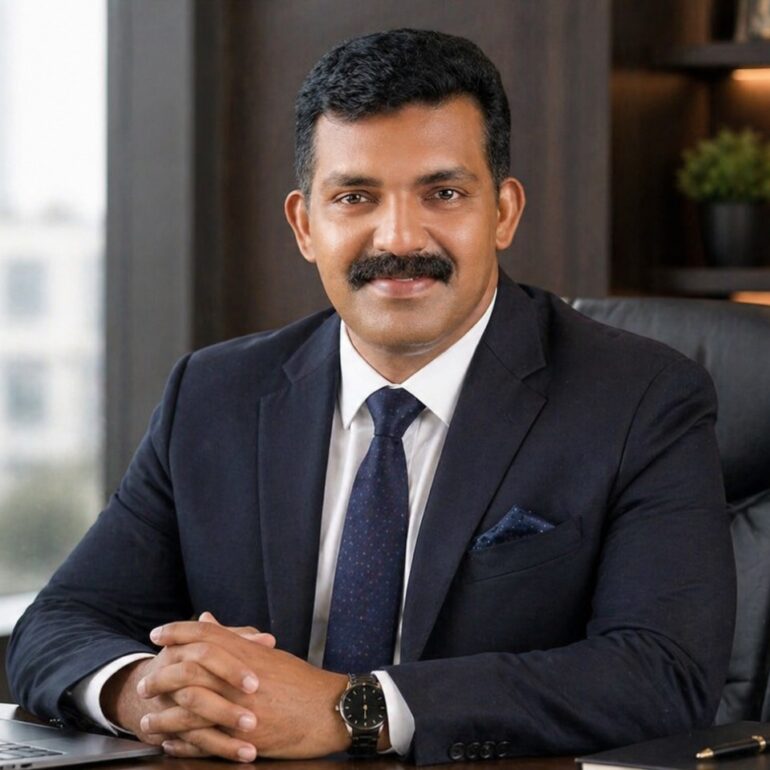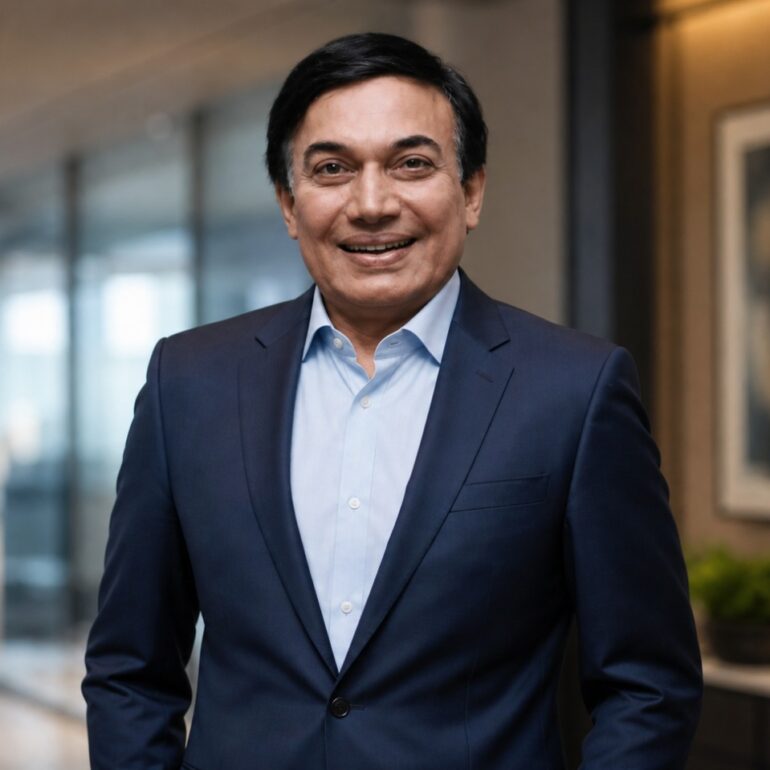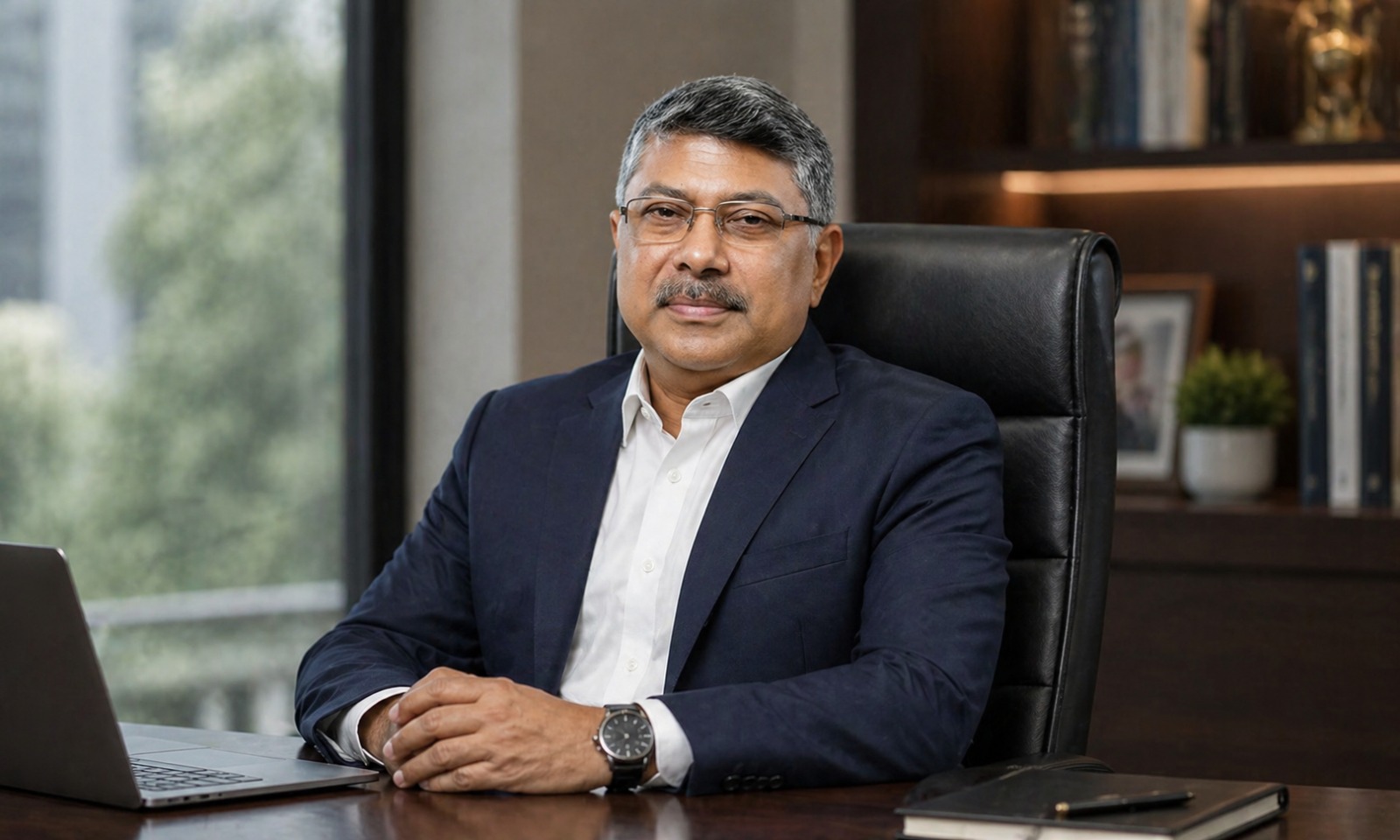
Vinod Manjila
Chairman of Manjilas Food Tech Pvt Ltd
Vinod Manjila, Chairman of Manjilas Food Tech Pvt Ltd (Double Horse). Double Horse (Manjilas) was founded in 1959 by M.O. John. He established the company as a rice milling enterprise in Kerala, focusing on high-quality grains. The company has since grown into a major food brand under the name Manjilas Double Horse, specializing in rice, curry powders, and instant mixes. The company is now a leading food brand in South India under the leadership of the Manjila family.
Key Factors
Full Name: Vinod Manjila
Born: Not publicly disclosed
Place: Kerala, India
Title: Chairman, Manjilas Food Tech Pvt Ltd
Occupation: Business Leader / Industrialist
Known For: Leading and expanding Double Horse into a major South Indian FMCG brand
Walk into a typical Kerala kitchen, and you will find certain constants, a steel container of rice, jars of spices, and increasingly, neatly packaged mixes stacked on a shelf. Among them, a familiar logo stands out: Double Horse. It is a brand that has quietly embedded itself into daily life, whether in the form of puttu podi for breakfast or a quick curry mix for dinner.
What appears as convenience today is the result of decades of calibrated evolution. And at the center of this transition, from a grain-focused enterprise to a diversified food brand, is Vinod Manjila, navigating a legacy business through a market that is changing faster than ever.
The M.O. John Era
The story of Double Horse begins in 1959, when M.O. John established a rice milling unit in Kerala. At the time, the business model was straightforward: procure quality paddy, process it efficiently, and supply reliable grains to local markets.
But even within that simplicity lay a distinguishing factor, an early emphasis on quality. In a fragmented and largely unorganized agricultural market, consistency was rare. M.O. John’s approach of maintaining strict standards in sourcing and processing helped build a reputation that extended beyond immediate geography.
The brand name “Double Horse” would later come to symbolize strength and reliability, attributes that aligned with the company’s positioning in the minds of consumers. Over time, what began as a milling operation started building the foundations of a recognizable food brand.
Transition to the Next Generation
Like many family-run enterprises in India, the transition from founder to next generation was both inevitable and complex. By the time Vinod Manjila stepped into leadership roles, the company had already established itself as a trusted name in rice products.
However, the market context had shifted. Consumer expectations were evolving, urbanization was accelerating, and the demand for processed and ready-to-cook food products was rising.
For Vinod Manjila, inheriting the business meant more than preserving its legacy. It required reinterpreting that legacy for a different era. The challenge was clear: how to modernize without diluting the brand’s core identity.
This phase demanded strategic decisions, investments in new product categories, upgrades in manufacturing processes, and a rethinking of distribution and branding.
Building a Modern Food Brand
Under Vinod Manjila’s leadership, Double Horse expanded beyond its roots in rice and grain processing into a diversified FMCG portfolio.
The shift toward value-added products became a defining strategy. Ready-to-cook and ready-to-eat segments, including curry powders, instant mixes, breakfast staples like puttu and appam mixes, and snack products, began to form a significant part of the company’s offerings.
This diversification was not merely opportunistic. It reflected a deeper understanding of changing consumption patterns. As nuclear families increased and working lifestyles became more demanding, convenience became a key purchase driver.
Double Horse positioned itself at this intersection, offering products that retained traditional taste while reducing preparation time. In doing so, it tapped into a segment that valued both authenticity and efficiency.
Leadership Style and Strategy
Vinod Manjila’s leadership approach appears to be rooted in incremental transformation rather than radical disruption. Unlike startups that often pivot aggressively, legacy businesses operate within constraints, brand perception, existing customer expectations, and operational inertia.
His strategy has been to build on existing strengths while gradually introducing change. This includes investments in manufacturing technology, quality control systems, and supply chain efficiencies.
Equally important has been the emphasis on brand continuity. Double Horse has not attempted to reposition itself as a premium or niche brand. Instead, it has retained its mass-market appeal while improving product quality and expanding its range.
This balancing act, between tradition and modernization, is central to understanding the company’s trajectory.
Market Position and Competition
The South Indian FMCG market is both crowded and competitive. Double Horse operates alongside regional players such as Nirapara and Eastern, as well as national brands that have increasingly entered the packaged food segment.
Its strength lies in its deep-rooted presence in Kerala and strong recall among consumers who associate the brand with reliability. Unlike newer entrants that rely heavily on marketing, Double Horse benefits from generational trust.
However, this advantage also comes with challenges. Competing against brands with larger advertising budgets and wider national distribution requires continuous investment in both product development and brand visibility.
Vinod Manjila’s approach appears to focus on leveraging core markets while gradually expanding into adjacent regions, rather than pursuing aggressive pan-India expansion prematurely.
Challenges and Adaptation
The evolution of Double Horse has not been without challenges.
One of the most significant shifts has been in consumer behavior. The rise of organized retail, e-commerce platforms, and health-conscious consumption patterns has altered how food products are perceived and purchased.
Maintaining quality at scale is another persistent challenge. As production volumes increase, ensuring consistency across batches becomes more complex, particularly in products derived from agricultural inputs that are inherently variable.
There is also the question of innovation. While traditional recipes form the backbone of the brand, there is growing pressure to introduce new products that cater to changing tastes without alienating core customers.
Vinod Manjila’s leadership has been tested in navigating these dynamics, ensuring that the company remains relevant without losing its identity.
Cultural Impact
Beyond business metrics, Double Horse occupies a unique cultural space in Kerala.
For many households, the brand is associated with familiarity and trust. It represents a bridge between traditional cooking practices and modern lifestyles. In a state where food is deeply tied to identity, this positioning carries significant weight.
The brand’s products are not just commodities; they are enablers of daily routines, festival preparations, and family meals. This emotional connection is difficult to replicate and serves as a strong competitive moat.
Future Outlook
Looking ahead, the trajectory of Double Horse under Vinod Manjila will likely be shaped by a combination of expansion and consolidation.
Geographically, there is potential to strengthen presence beyond Kerala into other South Indian markets and the diaspora-driven international segment, particularly in regions with significant Malayali populations.
Product-wise, innovation will be critical. This includes not just new offerings but also improvements in packaging, shelf life, and health-oriented formulations.
Digital transformation, both in terms of marketing and distribution, will also play a larger role. As consumer discovery increasingly shifts online, the brand’s ability to engage with younger audiences will become more important.
At its core, however, the challenge remains the same: to grow without losing the essence that made the brand successful.
Reflection
The story of Vinod Manjila and Double Horse is not one of sudden disruption, but of steady evolution. It is about understanding when to hold on to tradition and when to adapt, a delicate balance that defines many successful legacy businesses.
From a rice mill in 1959 to a diversified FMCG brand today, Double Horse has navigated decades of change while retaining its place in Kerala’s collective memory. Under Vinod Manjila’s leadership, the company continues to evolve, responding to new market realities while staying anchored in its foundational values.
In a sector where brands often chase visibility and scale at the cost of consistency, Double Horse offers a different narrative, one where trust is built slowly, sustained carefully, and carried forward with intent. And in that measured, enduring approach lies something quietly outstanding.