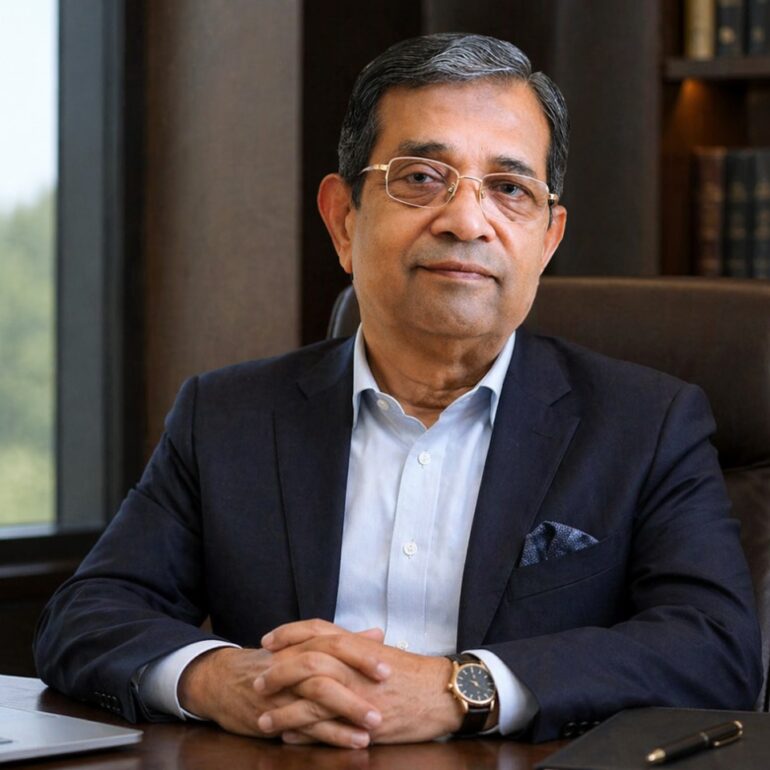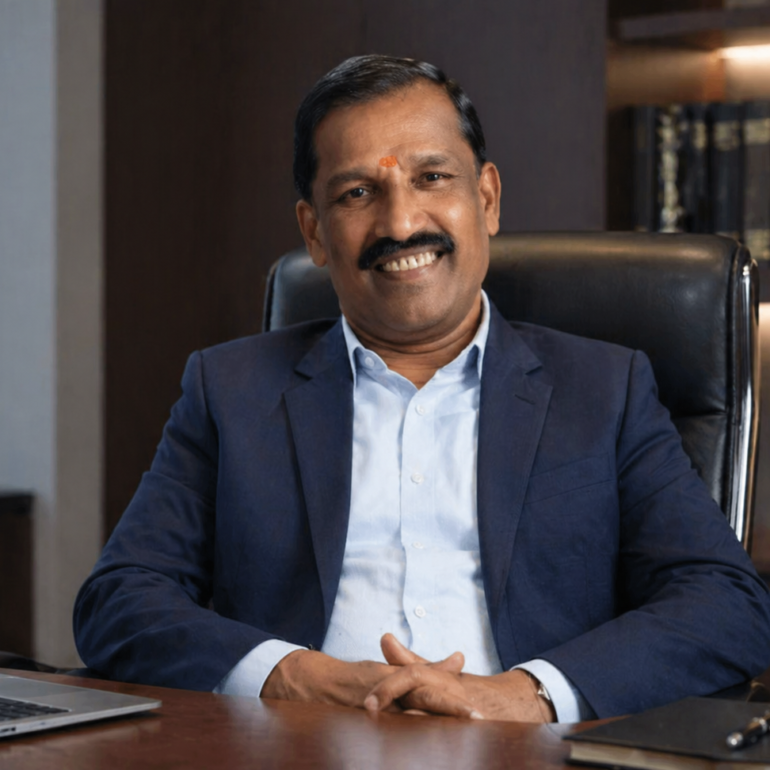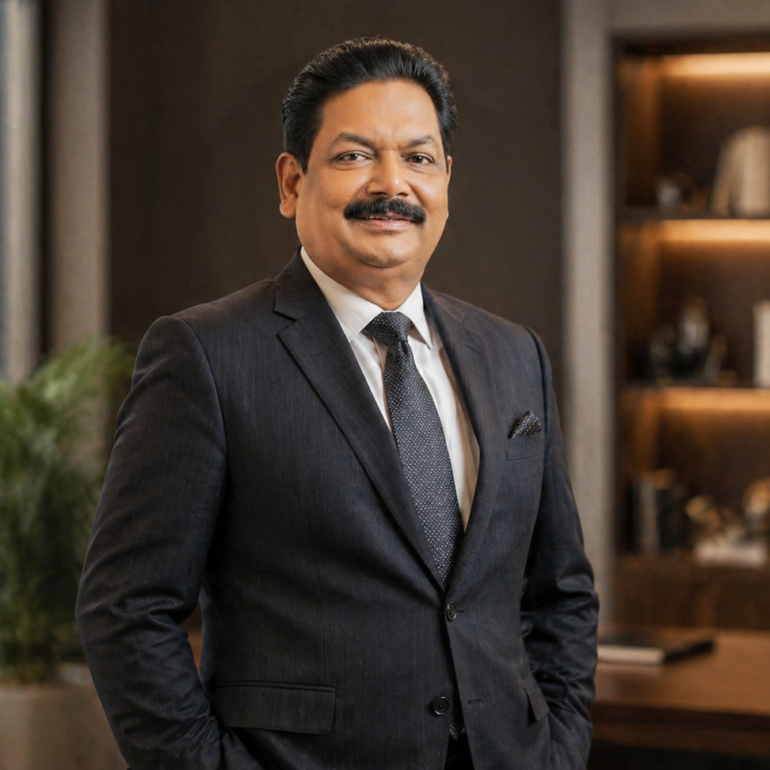
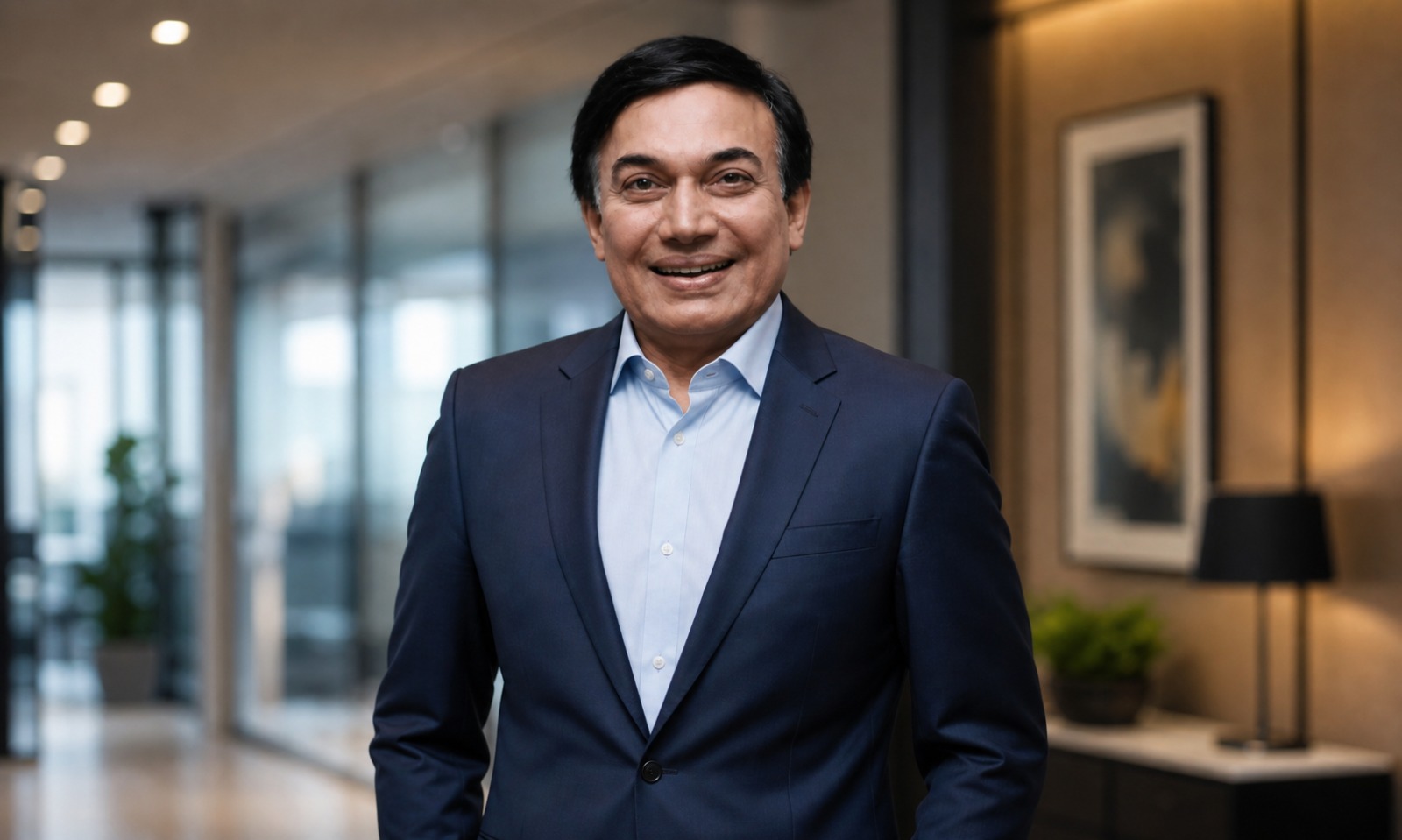
Ravi Puravankara
Founder & Chairman, Puravankara Limited
Ravi Puravankara, a visionary and dynamic leader, is the Founder & Chairman of Puravankara Limited – one of India’s most admired and trusted real estate brands. Under his guidance and decisive leadership, the company has built an impressive portfolio of completed residential and commercial properties across nine cities. His leadership reflects an outstanding blend of entrepreneurial instinct and disciplined governance, positioning Puravankara as one of the country’s most trusted housing developers.
Key Factors
Full Name: Ravi Puravankara
Title: Founder & Chairman, Puravankara Limited
Occupation: Real Estate Developer, Business Leader
Known For: Ethical real estate practices, early foreign investment in the sector, building a trusted housing brand
A Defining Choice in an Unregulated Era
In the early 1970s, India’s real estate sector operated in a grey zone, fragmented, cash-heavy, and largely unregulated. It was an industry where informal transactions were not just common but expected. Against this backdrop, Ravi Puravankara made a decision that would shape not just his company, but its identity for decades: he chose not to engage in unaccounted cash transactions.
At a time when such a stance could have limited growth, this decision did the opposite. It created a foundation of trust, one that would later attract institutional investors, global partners, and a loyal customer base. What seemed like a constraint in the beginning evolved into a strategic advantage.
Founding Years
When Ravi Puravankara founded Puravankara in 1975, India’s urban housing ecosystem was still nascent. Organized developers were rare, financing options were limited, and regulatory oversight was minimal. The sector was dominated by small, local builders with limited accountability.
Puravankara’s early years were defined by disciplined execution rather than aggressive expansion. The company focused on delivering projects with consistency, prioritizing construction quality and adherence to commitments. This approach helped establish a reputation that would later prove invaluable as the company expanded into new markets.
The decision to operate transparently also meant slower initial scaling. However, it ensured that the company’s growth was sustainable, rooted in credibility rather than speculation.
Building a Brand in Real Estate
In most industries, trust is an intangible asset. In real estate, it is the product itself.
Ravi Puravankara recognized early that credibility could become a differentiator in a market plagued by delays, cost escalations, and legal disputes. By institutionalizing governance practices, he positioned Puravankara as a brand that customers could rely on.
This trust-based approach extended beyond customers to investors and partners. As the company grew, its reputation for ethical dealings enabled it to access capital that many peers could not.
The emphasis on governance also influenced internal culture. Processes were standardized, financial discipline was enforced, and long-term value creation was prioritized over short-term gains.
From Bengaluru to Global Markets
Over time, Puravankara expanded its footprint beyond Bengaluru into cities such as Chennai, Kochi, Coimbatore, Pune, and Mumbai, while also exploring international markets including Dubai and Colombo. Each expansion was measured, guided by market demand and operational capability rather than speculative land acquisition.
One of the most significant milestones came in 2005, when the company secured foreign direct investment through a joint venture with Keppel Land. At a time when global capital was still cautious about Indian real estate, this partnership signaled confidence in Puravankara’s governance standards.
The ability to attract such investment was directly linked to the company’s early decisions around transparency. It demonstrated that ethical practices were not just moral choices, but strategic enablers.
Institutional Recognition
In 2007, Puravankara became one of the early real estate companies to list on Indian stock exchanges. The IPO marked a transition from a privately held enterprise to a publicly accountable institution.
Listing brought with it new expectations, greater scrutiny, and the need for enhanced transparency. For Puravankara, this transition was less disruptive than it might have been for others, largely because governance structures were already in place.
The IPO also provided access to capital for expansion, enabling the company to scale operations and diversify its portfolio.
The Provident Strategy
Recognizing the changing dynamics of India’s housing market, Ravi Puravankara identified a gap in the affordable housing segment. In 2008, the company launched Provident Housing Limited, a subsidiary focused on first-time homebuyers and upwardly mobile families.
This move represented a strategic shift. While premium housing had traditionally dominated developer portfolios, affordable housing offered scale and long-term demand.
The decision proved prescient. As urbanization accelerated and housing demand expanded, Provident became a key growth driver for the group. The segment also attracted institutional capital, including a $76 million investment from the International Finance Corporation and IFC Emerging Asia Fund in 2020.
Capital, Partnerships, and Institutional Confidence
Puravankara’s ability to attract global capital has been a recurring theme in its growth story. Investments from entities like ASK Group, IFC, and HDFC Capital reflect sustained institutional confidence.
In 2024, Provident Housing secured significant funding from HDFC Capital, reinforcing its position in the affordable housing segment. These investments are not merely financial transactions; they are validations of the company’s governance, execution capability, and market positioning.
Such partnerships also highlight a broader shift in Indian real estate, from informal financing to structured, institutional capital.
Controlling the Value Chain
As the company scaled, Ravi Puravankara recognized the need for greater control over construction and delivery timelines. This led to the creation of Starworth Infrastructure and Construction Limited, an internal engineering division.
Vertical integration allowed the company to manage quality, costs, and timelines more effectively. It reduced dependency on external contractors and enhanced operational efficiency.
Additionally, the launch of Purva Streaks, an interior design arm, reflected a move towards offering integrated solutions to customers. By extending its involvement beyond construction, Puravankara aimed to enhance the overall customer experience.
Discipline Over Expansion
At the core of Ravi Puravankara’s leadership is a consistent emphasis on long-term thinking. Unlike many developers who pursued aggressive land acquisition during market booms, he maintained a cautious approach.
This discipline helped the company navigate multiple real estate cycles, including periods of slowdown and liquidity constraints. By avoiding over-leverage and speculative investments, Puravankara was able to sustain operations during challenging phases.
Customer focus also remains central to his philosophy. The company’s approach to design, pricing, and delivery reflects an understanding that real estate is ultimately about fulfilling aspirations.
Navigating Market Cycles and Regulatory Change
The Indian real estate sector has undergone significant transformation over the past two decades, particularly with the introduction of the Real Estate (Regulation and Development) Act (RERA). Increased regulation has improved transparency but also added compliance requirements.
For companies like Puravankara, which already operated with a governance-first approach, the transition was relatively smoother. However, market slowdowns, liquidity constraints, and evolving buyer preferences have continued to pose challenges.
Strategic responses have included diversification, capital restructuring, and a focus on execution efficiency.
Institution Building Beyond the Founder
As the organization grew, Puravankara transitioned from a founder-led enterprise to a professionally managed company. Leadership appointments, including key executive roles, reflect an effort to institutionalize management structures.
This evolution is critical for long-term sustainability. It ensures that the company can operate independently of its founder while maintaining its core values.
The balance between family leadership and professional management remains a defining feature of the organization.
CSR and Sustainability: Extending Beyond Business
Under Ravi Puravankara’s guidance, the company has also focused on social and environmental initiatives. Programs related to education, water conservation, and afforestation reflect a broader commitment to sustainability.
Recognition such as the Vishwakarma Award for Social Development underscores the impact of these initiatives. While CSR is often seen as an adjunct to business, in Puravankara’s case, it aligns with the company’s long-term perspective.
Recognition and Industry Standing
Over the years, Ravi Puravankara has received multiple accolades, including Lifetime Achievement Awards from CREDAI Karnataka and Construction Week. The company’s recognition at the World Economic Forum New Champion Awards for digital innovation highlights its adaptability.
These recognitions reflect both individual leadership and institutional achievement.
Legacy and the Road Ahead
Ravi Puravankara’s legacy lies not just in the projects his company has delivered, but in the standards it has set. In an industry often criticized for lack of transparency, he demonstrated that ethical practices can coexist with commercial success.
As India’s urban landscape continues to evolve, the demand for housing, both affordable and premium, is expected to grow. Puravankara’s diversified portfolio positions it to capture these opportunities.
The challenge, as always, will be balancing growth with discipline.
Reflection
In many ways, Ravi Puravankara’s journey mirrors the evolution of Indian real estate itself, from fragmented beginnings to a more structured, regulated industry. Yet, what sets his story apart is the consistency of his approach. While markets have shifted and competitors have come and gone, his emphasis on governance, trust, and long-term value has remained unchanged. That consistency, more than scale or valuation, defines his contribution, making his leadership not just successful, but quietly outstanding.