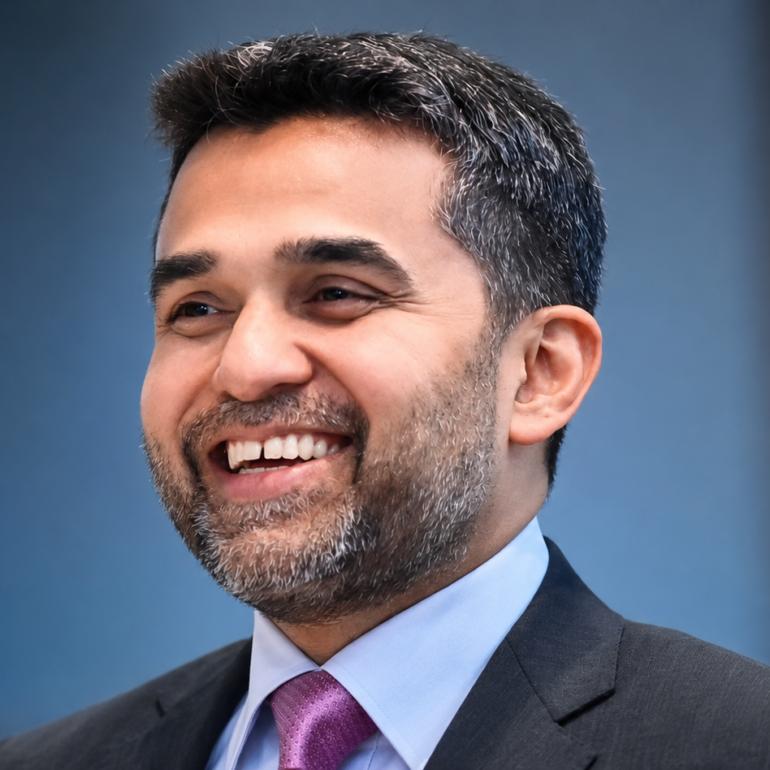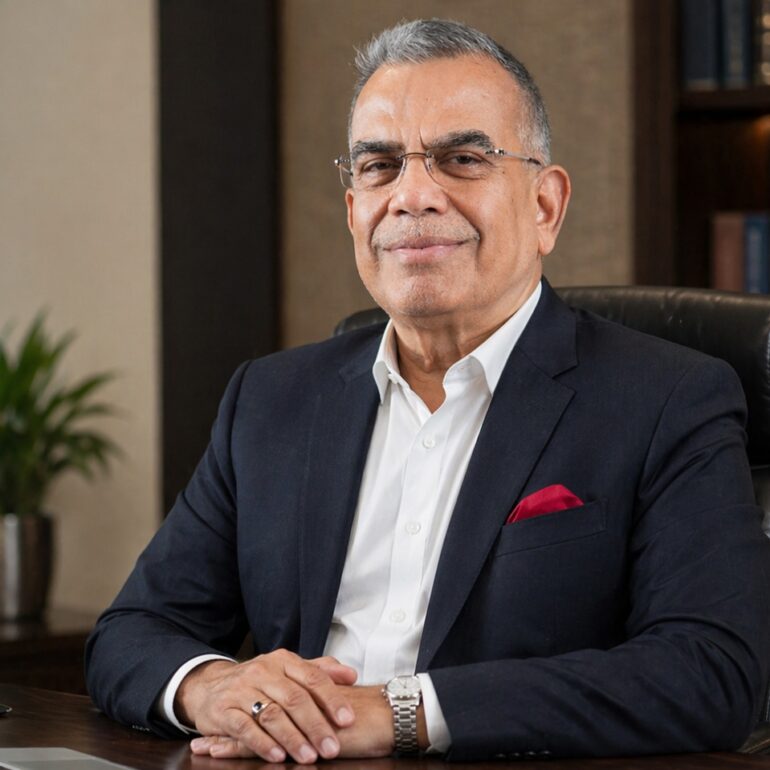
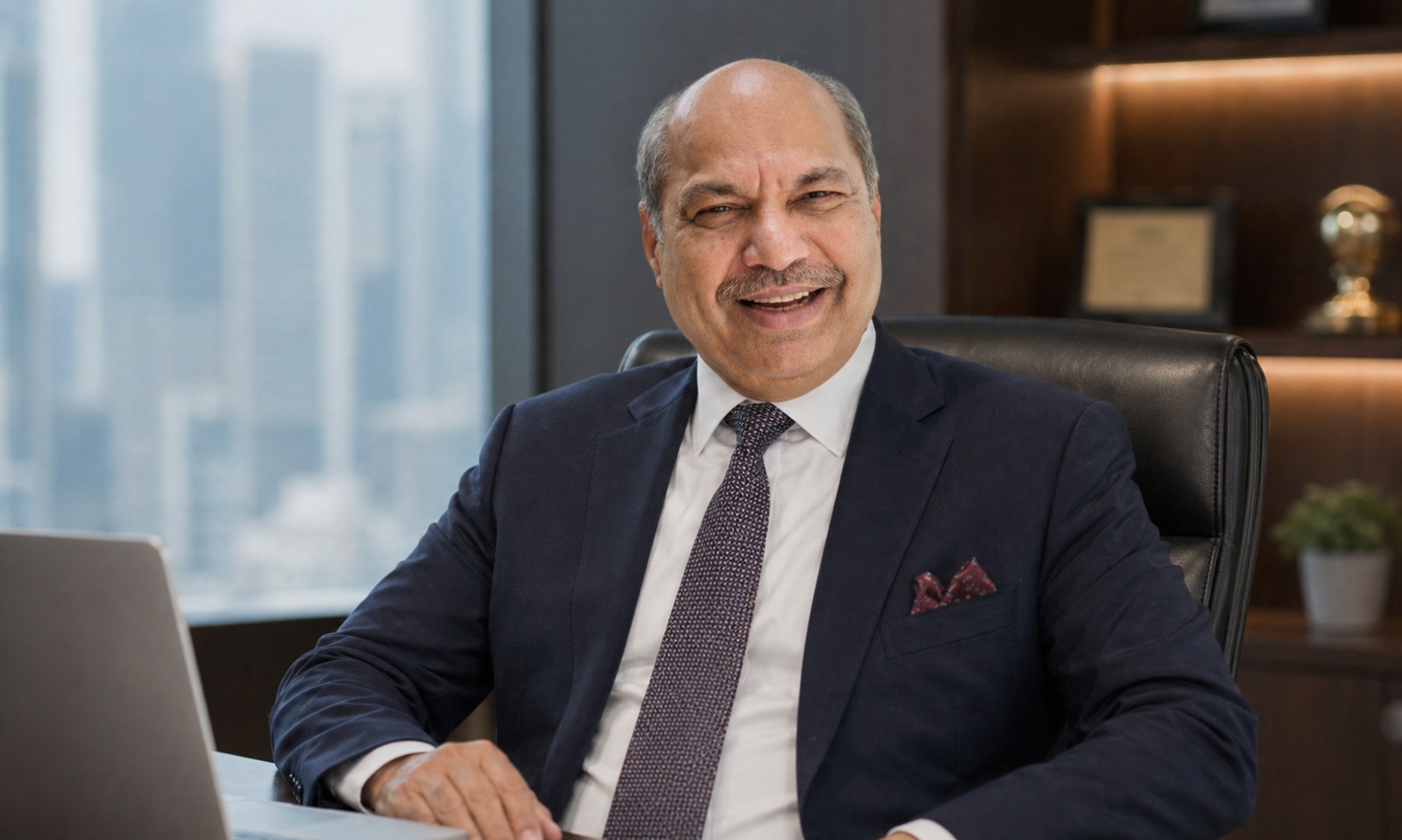
P. Mohamed Ali
Parambathekandi Mohamed Ali is a non-resident Indian businessman. He is the founder of Galfar Engineering and Contracting. The Oman Government has awarded and subsequently after his conviction withdrawn “Civil Order Grade Three” to him for his contribution to the country. His journey from Kerala to the Gulf mirrored a wider migration story. For decades, he was seen as a builder of scale, a figure associated with Oman’s infrastructure expansion and private sector growth. Yet his career also carries a complex second chapter, marked by legal controversy that reshaped public perception. His story remains an outstanding example of ambition, influence, and the fragile line between success and accountability.
Key Facts
Full Name: Parambathekandi Mohamed Ali
Born: June 6, 1949 (age 76)
Place: Thalikulam, Thrissur, Kerala
Title(s): Founder, Former Managing Director of Galfar Engineering & Contracting
Occupation: Businessman, Industrialist
Known For: Building one of Oman’s largest construction firms; later legal controversy
In the 1970s, Oman was at the beginning of a profound transformation. Roads were being laid where there had been none, oil revenues were beginning to reshape the economy, and the state was opening itself to modern infrastructure. For companies willing to operate in challenging terrain and uncertain conditions, the opportunity was immense.
It was in this environment that Galfar Engineering & Contracting began to take shape. What started as a modest contracting venture would, over the next few decades, become one of the largest engineering and construction firms in Oman. At the center of that growth was Parambathekandi Mohamed Ali, a migrant entrepreneur navigating both the promise and the pressures of a rapidly expanding Gulf economy.
Building Galfar: From Modest Beginnings to Industrial Giant
Founded in 1972, Galfar emerged at a time when Oman’s infrastructure needs were expanding rapidly. The company was established with local Omani partners, a common structure that aligned foreign entrepreneurial expertise with domestic ownership frameworks.
Over time, Galfar grew into a major player in engineering, procurement, and construction (EPC), particularly in sectors such as oil and gas, pipelines, roads, and large-scale civil infrastructure. The company’s involvement in projects linked to Petroleum Development Oman, the country’s primary oil producer, positioned it at the core of Oman’s industrial development.
At its peak, Galfar was among the largest private sector employers in Oman, with a workforce that ran into tens of thousands. The company’s equipment base, project portfolio, and geographic spread reflected a scale that extended beyond Oman into other GCC markets and India.
The growth of Galfar mirrored Oman’s own modernization. Roads, pipelines, and industrial facilities built by the company became part of the country’s physical and economic infrastructure. For many years, Mohamed Ali’s leadership was closely associated with this phase of expansion.
The Indian Diaspora Success Story
Mohamed Ali’s journey is inseparable from the broader story of Kerala’s migration to the Gulf. Beginning in the 1970s, thousands of workers and entrepreneurs from Kerala moved to West Asia, driven by limited opportunities at home and expanding demand abroad.
Unlike many migrants who entered wage employment, Mohamed Ali positioned himself within the entrepreneurial segment of this diaspora. His ability to navigate local partnerships, secure contracts, and scale operations reflects both individual initiative and structural opportunity.
His leadership style, as described in various business profiles, combined operational focus with an understanding of local market dynamics. Galfar’s workforce included a significant number of Omani nationals, aligning with government policies aimed at increasing local employment.
In this sense, his career represents a particular model of diaspora success, one that integrates foreign expertise with domestic economic priorities.
Philanthropy and Institution Building
Parallel to his business activities, Mohamed Ali was involved in philanthropic and educational initiatives. Through organizations such as the Social Advancement Foundation of India (SAFI) and the P M Foundation, he supported educational institutions in Kerala.
These initiatives focused on expanding access to higher education, particularly for students from underprivileged backgrounds. Institutions linked to these efforts have contributed to the educational landscape in parts of northern Kerala.
Such philanthropy is a common feature among Gulf-based Indian entrepreneurs, reflecting both personal commitment and the broader culture of reinvestment in home communities.
Recognition and Fall from Grace
For his contributions to Oman’s development, Mohamed Ali was awarded the Civil Order Grade Three, a state honor recognizing service to the nation. This recognition placed him among a select group of expatriates acknowledged for their role in the country’s growth.
However, this phase of recognition was later overshadowed by events that would significantly alter his public standing. The honor was eventually withdrawn following legal proceedings, marking a sharp shift in his trajectory.
Corruption Case and Conviction
In 2014, Mohamed Ali became central to a high-profile bribery case involving contracts linked to Petroleum Development Oman. Omani courts found that payments had been made to secure business advantages.
He was convicted and sentenced to imprisonment along with financial penalties. The case was widely reported in regional and international media, highlighting concerns about corporate governance and transparency in large-scale contracting.
The legal proceedings had immediate implications for both Mohamed Ali and Galfar. Leadership changes, reputational damage, and operational challenges followed.
In 2016, he was released under a royal pardon, a decision that brought an end to his imprisonment but did not erase the broader impact of the case.
Achievement vs Controversy
Parambathekandi Mohamed Ali’s legacy is defined by contrast. On one hand, he played a central role in building one of Oman’s largest construction firms, contributing to infrastructure that underpins the country’s economy. His journey reflects the possibilities available to migrant entrepreneurs in the Gulf during a period of rapid growth.
On the other hand, the corruption case introduced a narrative of accountability and governance. It raised questions about the pressures and practices within large contracting environments, particularly in sectors closely tied to state resources.
For Galfar, the episode marked a turning point, affecting its reputation and prompting internal restructuring. For Mohamed Ali, it reshaped how his career is viewed, both in Oman and in India.
Today, his story is often cited as an example of both achievement and caution. It illustrates how scale and influence can amplify both success and scrutiny.
A Complex Narrative of Power and Responsibility
The arc of Parambathekandi Mohamed Ali’s life reflects the broader dynamics of Gulf economies, opportunity, rapid growth, and increasing expectations of transparency.
His journey from Kerala to the helm of a major construction firm captures the ambition and resilience of a generation of diaspora entrepreneurs. At the same time, the later phase of his career underscores the importance of governance and accountability in sustaining such success.
In examining his legacy, it is not enough to focus solely on either achievement or controversy. Both are integral to understanding the full picture.
What remains is a narrative that is as instructive as it is complex, a story that speaks to the possibilities of enterprise and the consequences of its excesses. In its scope, contradictions, and lasting impact, it remains undeniably outstanding.
Achievements, awards and honor
2013 – Asian Business Leadership Forum Award (ABLF Award), for Business Courage