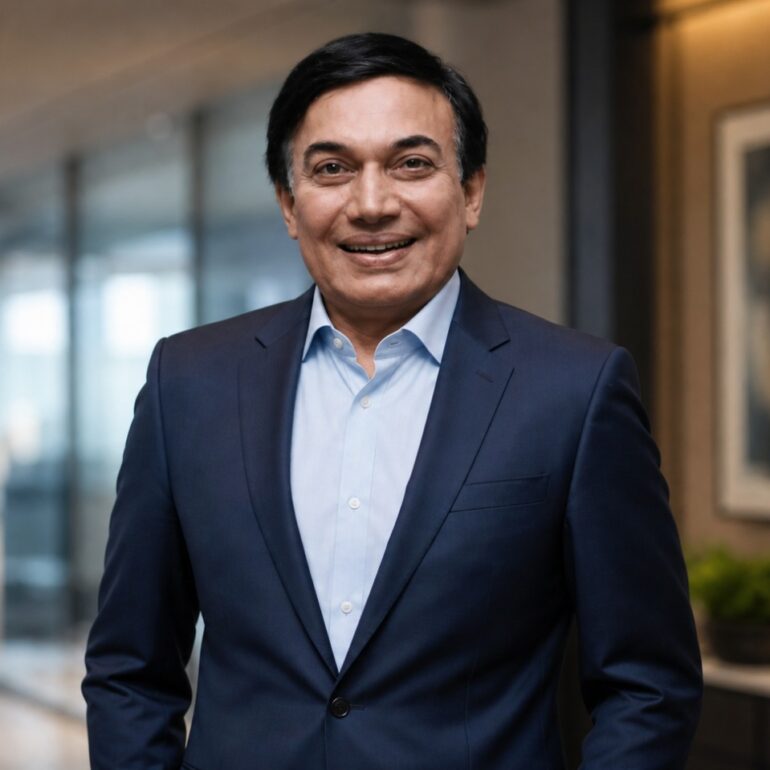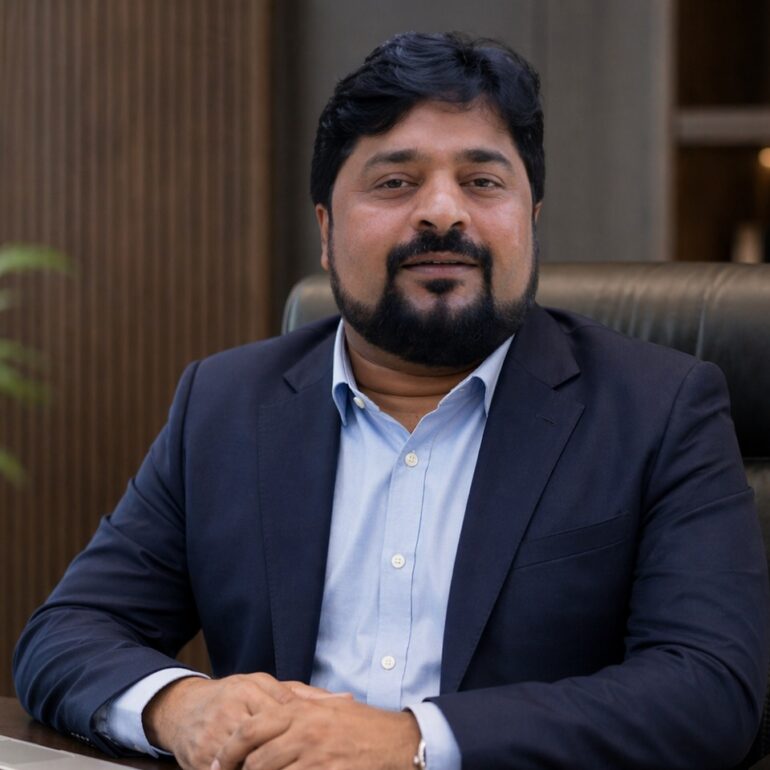
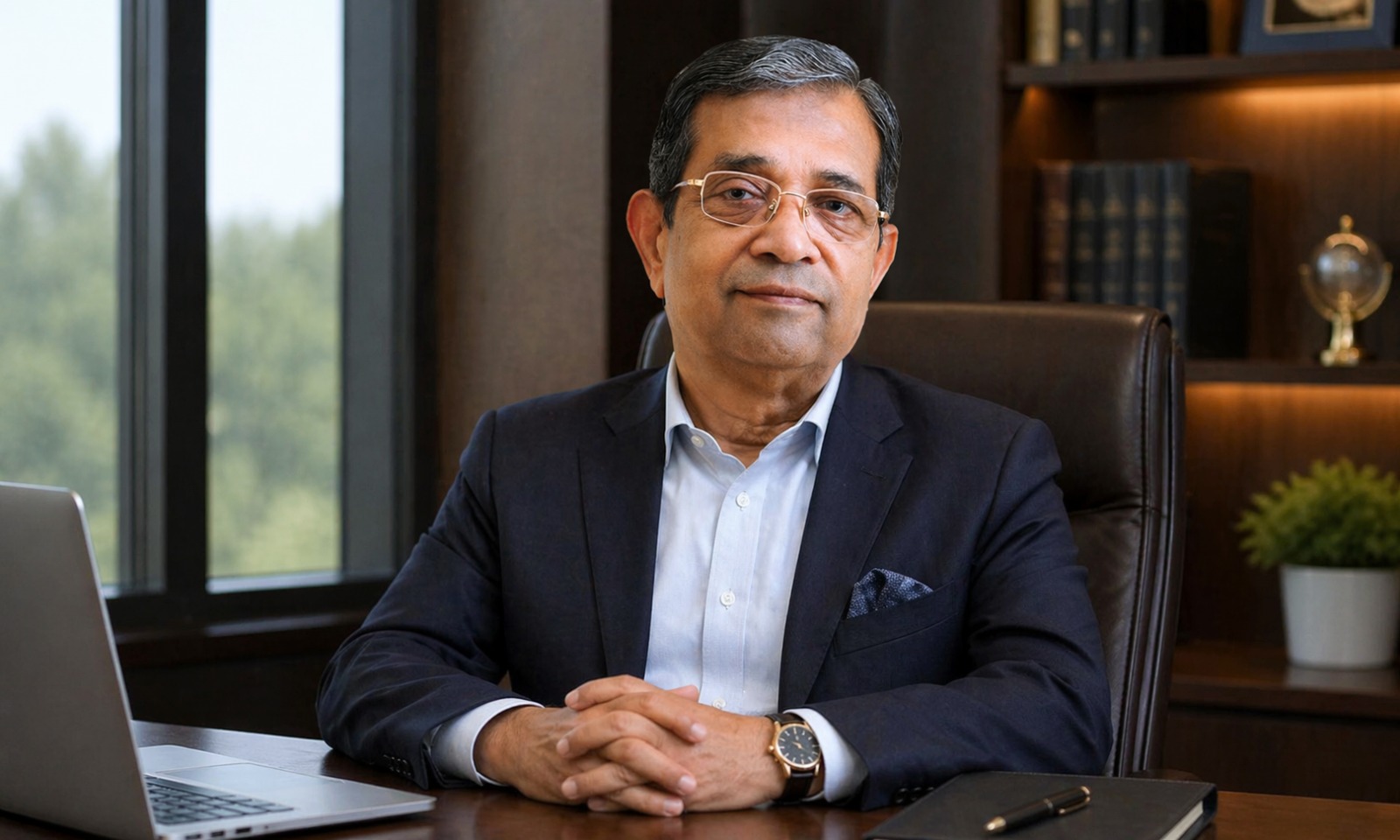
Dr. Panniyampally Madhavankutty Varier
Ayurvedic Physician, Administrator
Dr. Panniyampally Madhavankutty Varier succeeded Padmabhushan Dr. P.K. Warrier, his uncle, to become the Managing Trustee of Arya Vaidya Sala. He was made a Trustee of the Arya Vaidya Sala on 2007 at the age of 60 years. Dr. P M Varier completed his graduation – B.A.M. (Bachelor of Ayurvedic Medicine) from the prestigious Govt. Ayurveda College, Thiruvananthapuram. He acquired post-graduation – M.D. (Ayurveda – Kayachikitsa) from the same institute. He joined Arya Vaidya Sala, Kottakkal as Assistant Physician in 1969. From 1969 to 2021 he served in different positions like Assistant Factory Manager, Factory Manager, Physician & Manager (AVS Branch, Chennai), Additional Chief Physician, Additional Chief Physician & Chief Superintendent (Ayurvedic Hospital & Research Centres) and Chief Physician. Dr. Varier is a Physician of repute and an able administrator with a will and vision and is actively associated with various Govt. Agencies and Social organisations.
Key Facts
Full Name: Dr. Panniyampally Madhavankutty Varier
Title: Managing Trustee, Arya Vaidya Sala
Occupation: Ayurvedic Physician, Administrator
Known For: Leadership of AVS, continuation of the legacy of P. K. Warrier, contributions to institutional Ayurveda
A Legacy Inherited, A Responsibility Earned
Few institutions in Indian medicine carry the historical weight of Arya Vaidya Sala. Founded in 1902 by Vaidyaratnam P. S. Varier, it has evolved into a complex ecosystem, a hospital, a manufacturing unit, a research center, and a cultural anchor for Ayurveda itself.
When P. K. Warrier, who led the institution for decades, passed away in 2021, the transition was not merely administrative. It was symbolic. Warrier had come to embody AVS in public consciousness, shaping its identity through a blend of scholarship, public engagement, and institutional discipline.
Dr. P. M. Varier’s succession, therefore, was less about assuming a title and more about stepping into a continuum. The expectations were layered, from maintaining clinical standards and institutional credibility to ensuring that AVS remained relevant in a rapidly evolving healthcare environment.
Unlike many leadership transitions that hinge on disruption, this one demanded continuity with calibration. The institution did not need reinvention. It required stewardship.
Roots in Ayurveda: Education and Early Formation
Dr. Panniyampally Madhavankutty Varier’s foundation in Ayurveda is anchored in formal academic training. He studied at the Government Ayurveda College in Thiruvananthapuram, one of Kerala’s key institutions for classical Ayurvedic education.
His specialization in Kayachikitsa, the branch of Ayurveda focused on internal medicine, reflects a clinical orientation toward systemic diseases and long-term therapeutic management. This discipline requires not just knowledge of formulations, but a nuanced understanding of diagnosis, patient constitution, and disease progression within Ayurvedic frameworks.
His association with AVS began in 1969, marking the start of a long institutional journey. Entering at a relatively young stage, he was positioned within a system that combined traditional knowledge with structured organizational practices, something that distinguishes Kottakkal from smaller, practitioner-led setups.
A Life Within AVS
To understand Dr. Varier’s leadership, one must consider the decades he spent within Arya Vaidya Sala before assuming its top role. His career within the institution spanned multiple layers, clinical practice, administration, and institutional operations.
This long tenure is significant. Unlike leaders who enter organizations at senior levels, he experienced the institution from within, understanding its rhythms, constraints, and internal culture. Such familiarity shapes decision-making in subtle ways. It creates a preference for incremental change over abrupt shifts, and for internal alignment over external signaling.
Over the years, he took on increasing responsibilities, contributing to both patient care and institutional management. While detailed documentation of each role is limited in public sources, the trajectory suggests a gradual progression rather than a sudden elevation.
This continuity is central to AVS itself. The institution has historically valued long-term association, where practitioners and administrators grow within the system rather than being externally recruited into leadership.
The Physician and the Administrator
Dr. Varier’s dual identity as a physician and administrator reflects a broader pattern within Ayurveda institutions. Unlike corporate healthcare systems, where management and clinical roles are often separated, institutions like AVS maintain a closer integration.
As a physician, his grounding in Kayachikitsa informs a patient-centric approach. Ayurveda, particularly in chronic disease management, relies on individualized treatment protocols. This requires time, observation, and continuity of care, elements that are not easily scalable.
As an administrator, however, he operates within a large institutional framework that includes hospitals, pharmacies, research divisions, and educational initiatives. Balancing these two roles requires navigating inherent tensions between personalization and standardization.
Under his stewardship, AVS continues to function as both a clinical and manufacturing entity. The production of classical Ayurvedic formulations at scale, while maintaining traditional preparation methods, is one of the institution’s defining characteristics.
Ayurveda in a Global Context
Over the past few decades, Ayurveda has moved beyond its regional roots into a global wellness discourse. Institutions like Arya Vaidya Sala have played a role in this transition, serving as reference points for authenticity and clinical credibility.
Dr. Varier has participated in seminars and engagements that extend beyond India, contributing to the dissemination of Ayurvedic knowledge. While the extent of his international involvement is not exhaustively documented in public records, such participation aligns with AVS’s broader outreach.
The global positioning of Ayurveda presents both opportunities and challenges. On one hand, there is growing interest in holistic and traditional medicine. On the other, there is pressure to align with scientific validation, regulatory frameworks, and standardization.
Institutions like AVS operate at this intersection, maintaining classical principles while engaging with modern expectations.
Recognition, Teaching, and Knowledge Transmission
One of the defining features of Ayurveda is its reliance on knowledge transmission, traditionally through the gurushishya parampara. Dr. Varier’s involvement in initiatives such as the Rashtriya Ayurveda Vidyapeeth’s Gurukula programs reflects this continuity.
Teaching, in this context, is not limited to formal education. It includes mentorship, clinical demonstration, and the preservation of diagnostic and therapeutic approaches that are often not fully captured in texts.
While specific awards and recognitions attributed to Dr. Varier are not consistently documented across publicly verifiable sources, his standing within the Ayurveda community is shaped more by institutional role and long-term contribution than by individual accolades.
The Weight of Continuity: Leading After a Legend
Following P. K. Warrier presents a unique challenge. Warrier’s tenure was marked by public visibility, intellectual engagement, and a strong personal association with AVS.
Dr. Varier’s leadership operates in a different register. It is quieter, more internally focused, and less reliant on public persona. This difference is not necessarily a limitation. It reflects a shift from charismatic leadership to institutional continuity.
The challenge lies in balancing tradition with evolving expectations. Patients today are more informed, regulatory frameworks are more complex, and the integration of Ayurveda into mainstream healthcare is still uneven.
Maintaining credibility in this environment requires both adherence to classical principles and openness to dialogue with modern medical systems.
Personal Life and Grounded Identity
Public information on Dr. Varier’s personal life remains limited, reflecting a broader tendency among Ayurveda practitioners to maintain a degree of privacy. He is known to be rooted in Kerala, with familial and institutional ties to Kottakkal.
This grounded identity is consistent with the ethos of AVS itself. The institution has historically maintained a strong connection to its geographic and cultural context, even as it engages with a wider audience.
Descriptions of his personality in available sources suggest a disciplined and measured approach, prioritizing continuity over visibility. Such traits align with the demands of managing a legacy institution.
The Road Ahead for AVS and Ayurveda
As Managing Trustee, Dr. Panniyampally Madhavankutty Varier’s role is less about redefining Arya Vaidya Sala and more about ensuring its relevance in a changing healthcare landscape.
Ayurveda today exists within multiple frameworks, clinical practice, wellness industry, academic research, and global alternative medicine discourse. Navigating these layers requires strategic clarity.
For AVS, the path forward likely involves strengthening research, maintaining manufacturing standards, and expanding clinical outreach while preserving its core identity. The institution’s credibility rests on its ability to remain both traditional and trustworthy.
Dr. Varier’s stewardship reflects this balance. It is not driven by rapid transformation, but by sustained alignment with foundational principles. In a time when many traditional systems face pressure to commercialize or dilute, this approach carries its own significance.
His journey, shaped by decades within the institution and now defined by its leadership, represents a form of continuity that is increasingly rare. In that continuity lies the enduring strength of both the individual and the institution, quietly outstanding in its persistence.
Awards & Recognitions
Dr. P.M. Varier is a Guru under Gurushishya Parampara of Rashtreeya Ayurveda Vidyapeeth since 2007
2009 – Fellow of RAV
2014 – Dhanwantari Award of State Government of Kerala
2015 – BhishakShreshta Award of Lions Club International