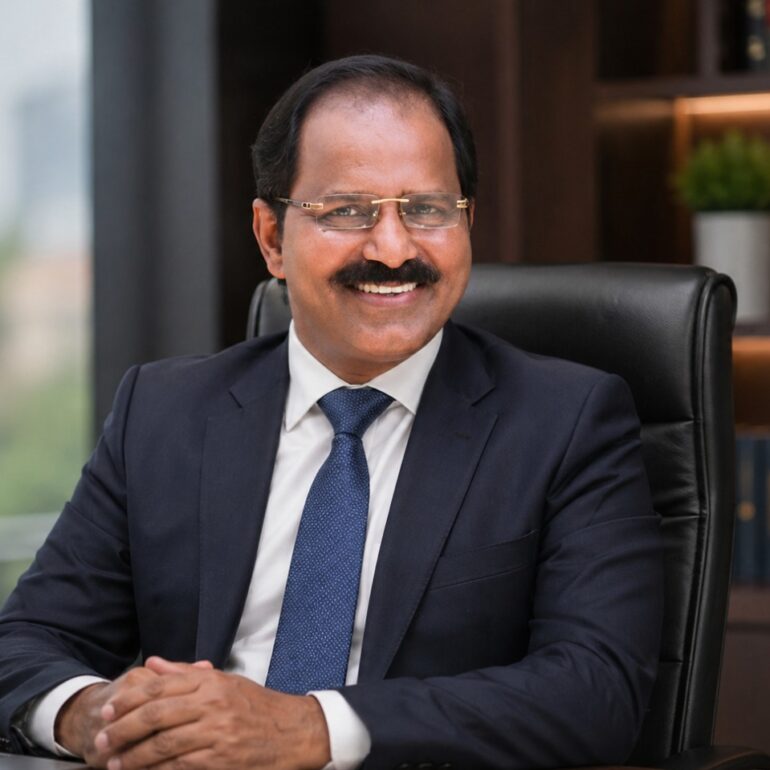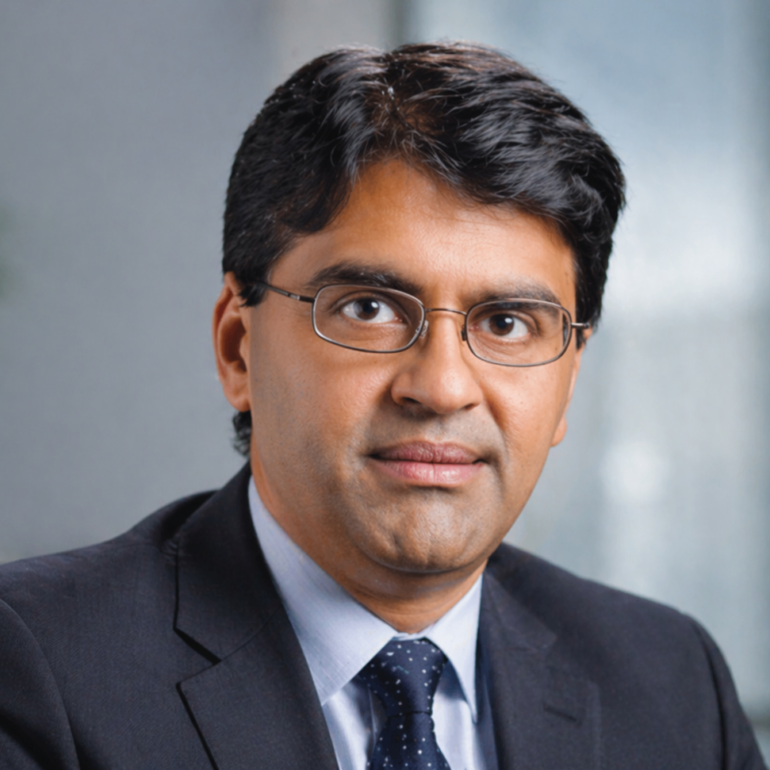
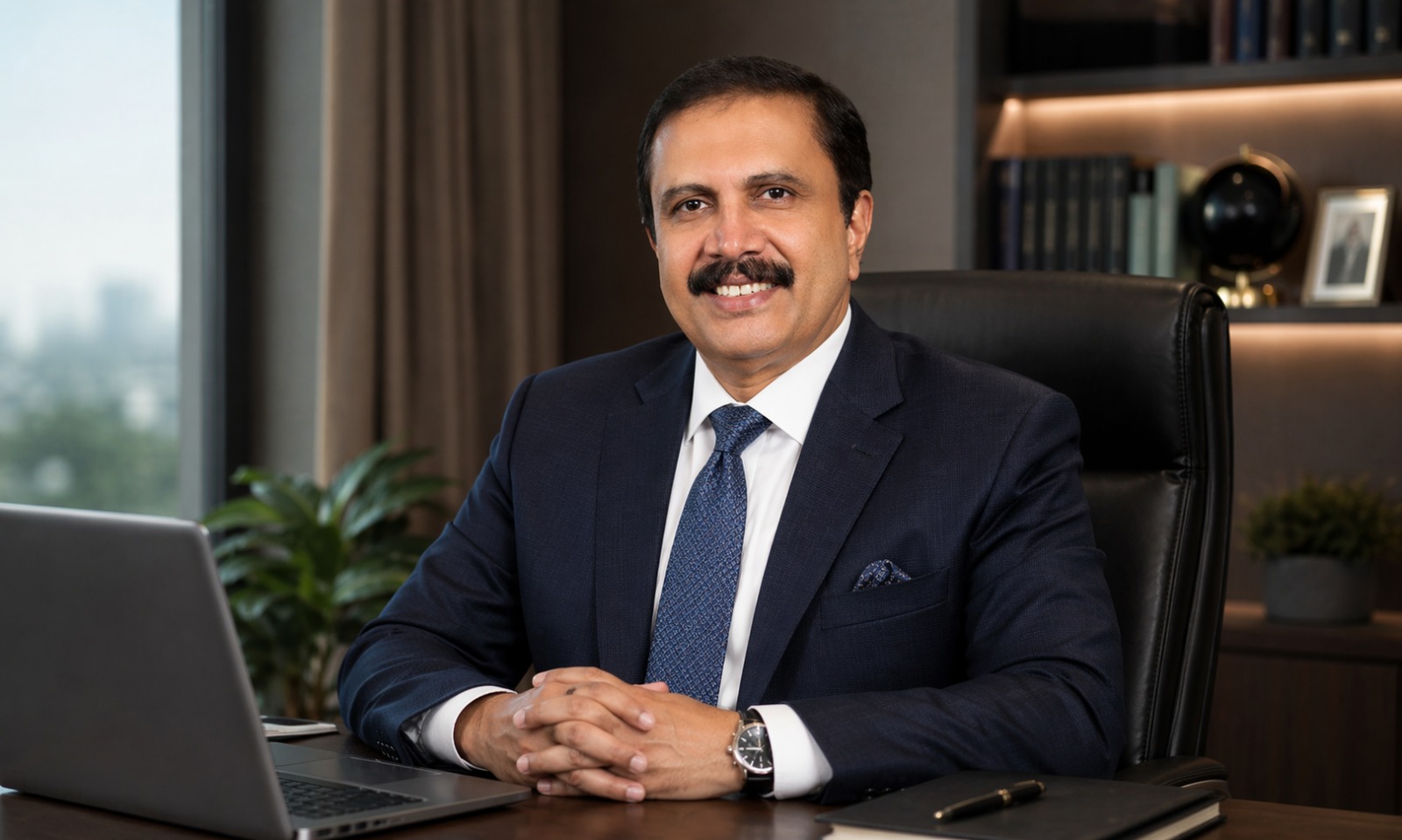
Azad Moopen
Indian healthcare entrepreneur, physician, and the founder-chairman of Aster DM Healthcare
Azad Moopen is an Indian healthcare entrepreneur. He is the developer of many healthcare facilities in Asia-Pacific. He is also the chairman and managing director of Aster DM Healthcare, a healthcare conglomerate in the Middle East and India founded in 1987. He was son of Late Mandayapurath Ahmed Unni Moopen, a noble, freedom fighter and social leader. He did his Primary School education from GVHSS Kalpakanchery, Azad Moopen is a gold medalist in MBBS and a Post Graduate in General Medicine from Government Medical College, Kozhikode in Kerala. He is also a Diploma holder in Chest Diseases from Delhi University India.
Key Facts
Full Name: Azad Moopen
Born: 15 April 1953
Place: Kalpakanchery, Kerala, India
Title: Founder, Chairman & Managing Director
Organization: Aster DM Healthcare
Occupation: Doctor, Entrepreneur, Philanthropist
Known For: Building a cross-border healthcare network spanning India and the GCC
Roots in Kerala
Azad Moopen’s story begins in Kalpakanchery, a village in Kerala’s Malappuram district, a region shaped by migration, education, and social reform movements. His father, a freedom fighter and local leader, played a formative role in shaping his worldview. Public service, discipline, and community engagement were not abstract ideas, they were part of everyday life.
Kerala in the 1960s and 70s was undergoing significant transformation. High literacy rates, strong public institutions, and a growing diaspora created an environment where education became the primary pathway to upward mobility. For Moopen, medicine was both a professional choice and a social commitment.
The influence of his early environment is visible in his later decisions. Even as he built a large corporate entity, the emphasis on accessibility and community-oriented healthcare remained a recurring theme.
Medical Excellence and Academic Foundation
Azad Moopen’s academic journey reflects both merit and specialization. He completed his MBBS with distinction, earning a gold medal, a detail consistently noted in public profiles. He then pursued postgraduate studies in General Medicine, followed by a Diploma in Chest Diseases from the University of Delhi.
This clinical foundation is important. Unlike many healthcare entrepreneurs who enter the sector from business or investment backgrounds, Moopen’s understanding of healthcare begins at the level of patient care. His early years as a practicing physician provided direct exposure to diagnostic challenges, treatment gaps, and the limitations of existing healthcare systems.
Such experience often shapes how doctors transition into entrepreneurship. The focus tends to remain on systems that improve patient outcomes, rather than purely financial metrics. In Moopen’s case, this clinical grounding would later influence the operational philosophy of his healthcare network.
The Gulf Leap: Building from Scratch
The turning point in Moopen’s career came with his move to the Gulf, part of a broader migration wave from Kerala to the Middle East. In 1987, he established his first clinic in Dubai, laying the foundation for what would become Aster DM Healthcare.
The early years were marked by constraint rather than scale. Healthcare in the Gulf at the time was evolving rapidly, driven by economic growth and an expanding expatriate population. However, regulatory frameworks, infrastructure, and competition were still developing.
Starting with a single clinic required balancing medical practice with business management. Patient acquisition, regulatory compliance, and operational efficiency were immediate concerns. Unlike in India, where healthcare demand is vast but fragmented, the Gulf presented a more structured but competitive environment.
Moopen’s strategy in these early years appears to have focused on consistency and trust. Building a patient base in a foreign market requires credibility, particularly in healthcare, where decisions are often influenced by word-of-mouth and community networks.
Scaling Aster DM Healthcare
From a single clinic, Aster DM Healthcare expanded into a diversified healthcare network across the GCC and India. Today, the group operates hospitals, clinics, and pharmacies, serving millions of patients annually.
The expansion followed a multi-layered model. In the Gulf, the company built a strong presence in primary care through clinics and pharmacies, complemented by hospitals offering specialized services. In India, the focus shifted more toward tertiary and quaternary care hospitals.
This dual-market strategy reflects an understanding of regional differences. The GCC markets, with smaller populations and higher per capita income, support a networked model of clinics and pharmacies. India, with its large and diverse population, requires investment in large hospitals and specialized care centers.
Aster’s growth also included a public listing, adding another layer of complexity. Transitioning from a founder-led private enterprise to a publicly listed company involves changes in governance, transparency, and stakeholder expectations.
Vision, Strategy, and Healthcare Impact
One of the defining aspects of Azad Moopen’s approach is the emphasis on accessibility. In public statements and institutional messaging, the idea of “affordable healthcare” recurs frequently. However, implementing this at scale is complex.
Healthcare costs are influenced by infrastructure, technology, staffing, and regulatory compliance. Balancing affordability with quality requires operational efficiency and cross-subsidization strategies.
Aster’s model attempts to address this through a mix of service tiers. High-end hospitals provide advanced care, while clinics and pharmacies offer more accessible entry points for patients. This creates a continuum of care that can accommodate different income levels.
The broader impact of this model is visible in both India and the Gulf. By expanding healthcare infrastructure, the company contributes to increased access, particularly in regions where public systems are under strain.
Philanthropy and Social Commitment
Beyond commercial operations, Azad Moopen has been involved in philanthropic initiatives, particularly through foundations associated with the Aster group. These initiatives focus on providing medical assistance to underserved communities, supporting education, and funding healthcare interventions.
Such efforts are consistent with a broader pattern among healthcare entrepreneurs, where business and philanthropy intersect. In Moopen’s case, the emphasis on community-oriented programs reflects the values shaped during his early life in Kerala.
However, as with many large organizations, the scale and impact of these initiatives vary and are often tied to specific programs rather than a unified framework. Publicly available data on outcomes remains limited, and should be interpreted with caution.
Challenges and Criticism
Building a cross-border healthcare network introduces multiple layers of complexity. Regulatory environments differ significantly between India and the GCC, requiring constant adaptation.
Competition is another factor. Both regions have seen the entry of large corporate hospital chains and international healthcare providers. Maintaining market position requires continuous investment in technology, infrastructure, and talent.
Operational complexity also increases with scale. Managing hospitals, clinics, and pharmacies across multiple countries involves logistical challenges, workforce management, and quality control.
There are also broader questions around healthcare commercialization. As private healthcare expands, concerns around cost, accessibility, and equity become more prominent. Companies like Aster DM Healthcare operate within this tension, balancing business sustainability with public expectations.
Legacy and Continuing Influence
Azad Moopen’s journey reflects a broader trend in Indian entrepreneurship, the ability to build institutions that operate beyond national boundaries. His work positions him within a group of healthcare entrepreneurs who have contributed to the globalization of Indian medical expertise.
Today, Aster DM Healthcare stands as a significant player in both Indian and GCC healthcare markets. Its continued expansion, particularly in India, suggests a focus on long-term growth.
Moopen’s influence extends beyond his company. As a public figure in healthcare entrepreneurship, he contributes to discussions around policy, infrastructure, and the future of healthcare delivery.
Looking ahead, the challenges remain substantial. Healthcare systems are evolving, driven by technology, demographic changes, and shifting patient expectations. Navigating these changes will require adaptability and sustained investment.
Yet, the core of his story remains intact. From a single clinic in Dubai to a multi-country healthcare network, the trajectory is defined by incremental growth, strategic positioning, and a consistent focus on patient care. In an industry where scale often comes at the cost of personalization, maintaining that balance is itself an outstanding achievement.
Awards and recognitions
2011 – Padma Shri Award by the Government of India
2010 – Pravasi Bharatiya Samman by the Government of India
2010 – Arab Health Award for “Outstanding Contribution of an Individual to the Middle East Healthcare Industry”
2009 – Best Doctor Award by the Government of Kerala
2004 – Dubai Service Excellence Award by the Government of Dubai, United Arab Emirates for the Group
2008 – Kerala Ratna Award by Keraleeyam presented by Shri K G Balakrishnan, Hon. Chief Justice of India, in New Delhi
2009 – Aslam Kshema Award by Kshema Foundation for outstanding effort to help economically deprived people
2018 – Lifetime Achievement Award by FICCI Healthcare Excellence Awards
2019 – Honored with the ‘Lifetime Achievement Award’ at the 9th Entrepreneur India Awards
2019 – ‘Visionary CEO of the Year Award’ in recognition of his contribution at the CEO Middle East Awards by Arabian Business
2019 – Fellowship of the Royal College of Physicians (FRCP), UK
2018 – ‘Lifetime Achievement Award’ at the Gulf Indian Leadership Summit
2018 – Recognized as one of the ‘100 Most Inspiring Leaders in the Middle East’ by Arabian Business Magazine
2017 – Listed #6 in the ‘Top 100 Indian Business Leaders in UAE’ by Forbes
2010 – Arabian Business Achievement Award from the ITP Publishing Group