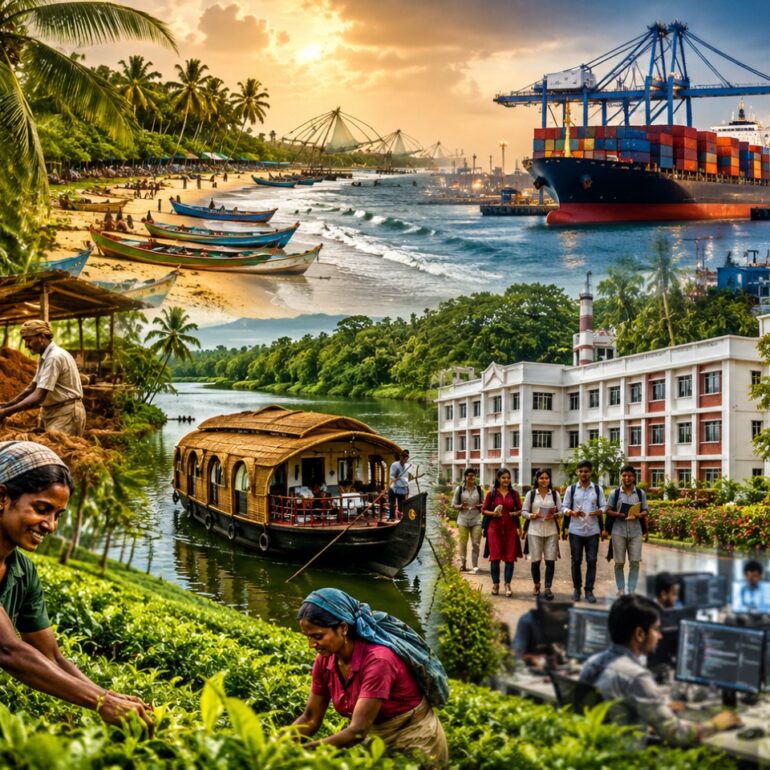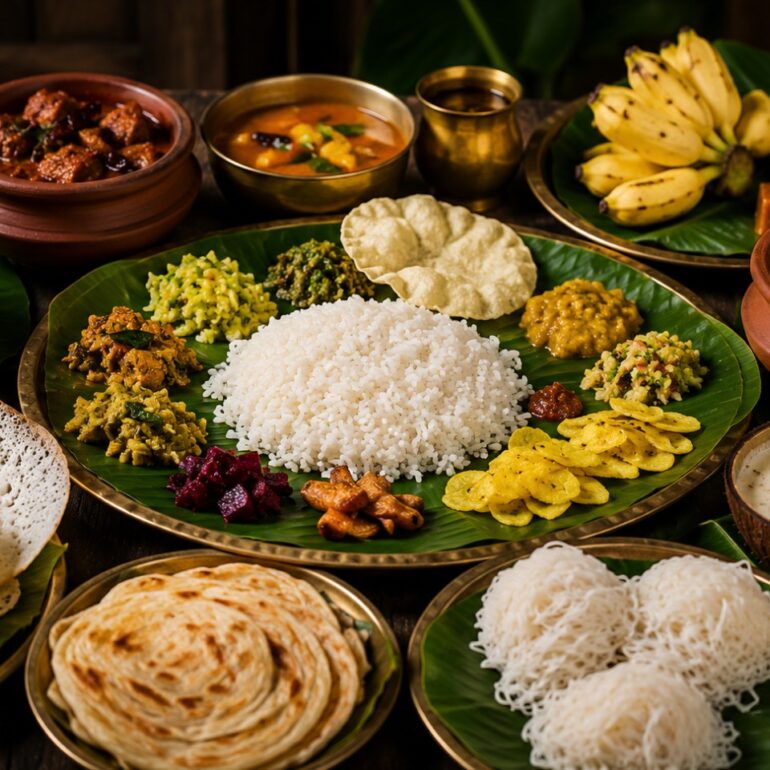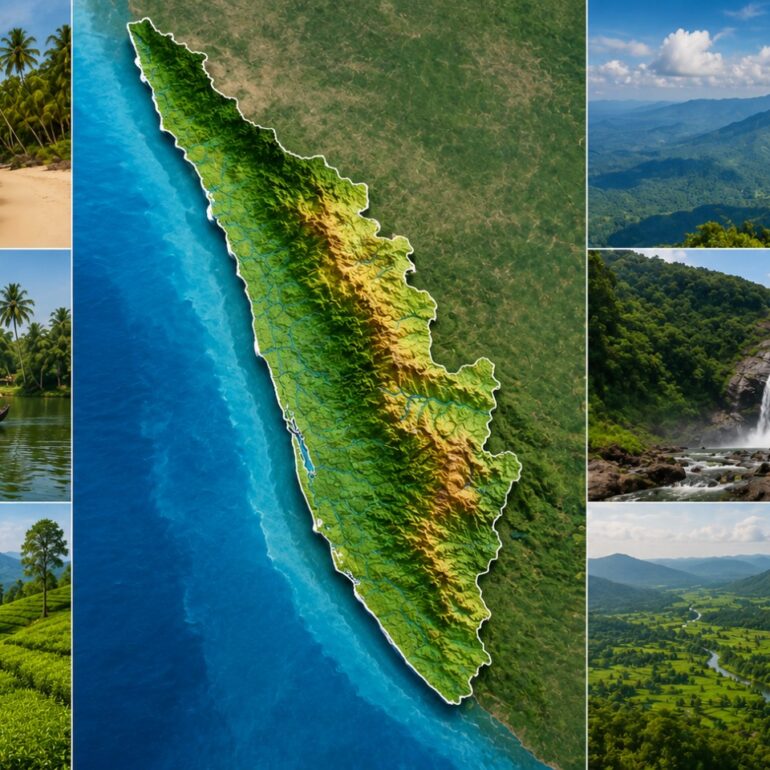
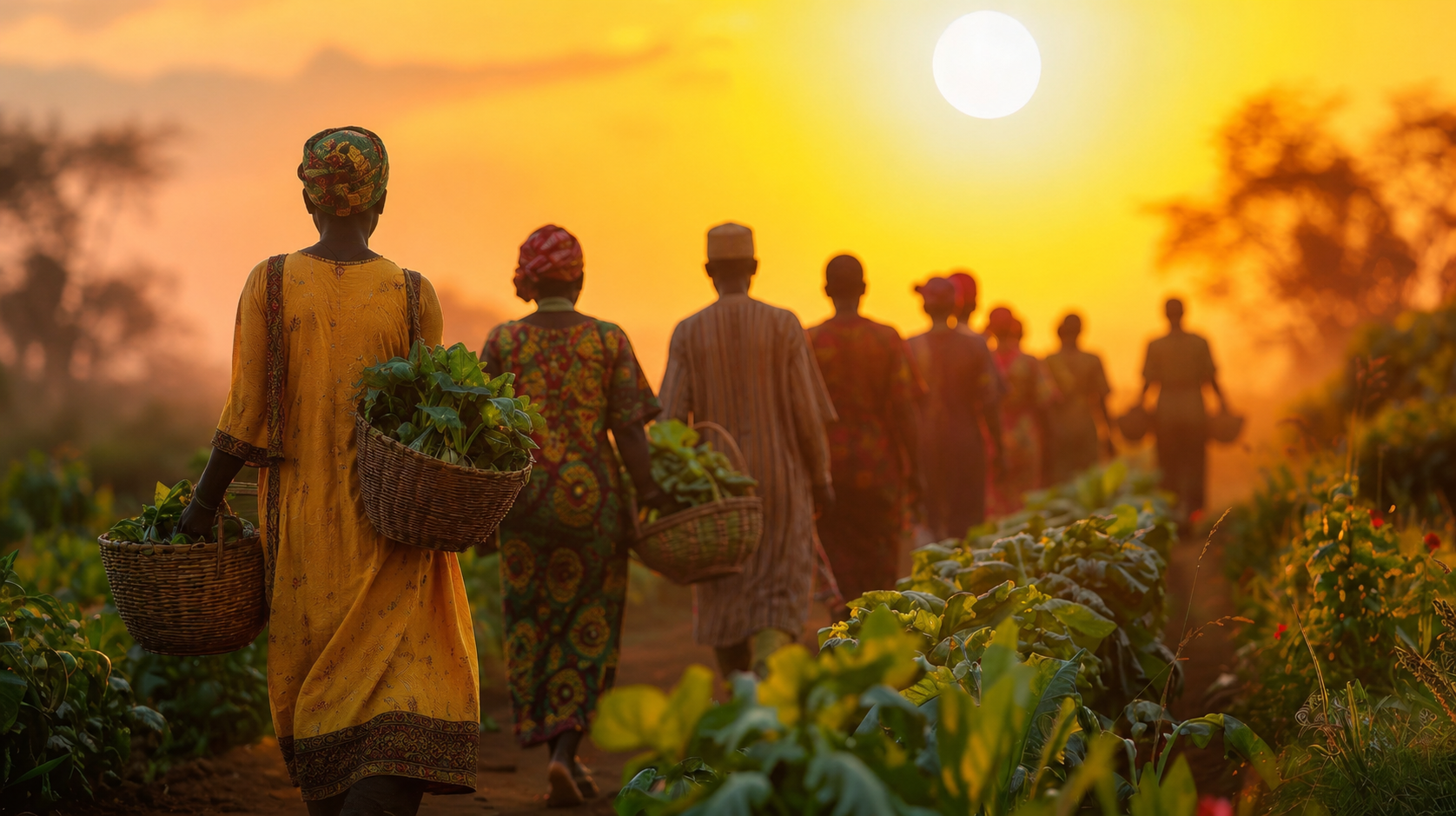
Agriculture has been the backbone of Kerala’s economy and culture for centuries. Even today, it remains a source of livelihood for lakhs of people across the state. Kerala is widely known for its spice gardens, coconut groves, and green paddy fields.
Blessed with fertile soil, abundant rainfall, and a tropical climate, Kerala has ideal conditions for farming. From the ancient spice trade that connected Kerala with the world to the cultivation of modern commercial crops, agriculture has played a key role in shaping the state’s history and economy.
Although the contribution of agriculture to Kerala’s economy has reduced over the years because of the growth of the service sector, farming continues to be an important part of the state’s identity and rural life.
Milestones
Before 15th Century – Kerala becomes a global hub for spices like pepper, cardamom, and cinnamon.
1498 – Vasco da Gama’s arrival opens direct European spice trade routes.
1800s – Expansion of tea, coffee, and rubber plantations under British rule.
1902 – Start of commercial rubber cultivation in Kerala.
1956 – Formation of the State of Kerala strengthens agricultural planning.
1970s–1980s – Rapid growth of cash crops and commercial farming.
2000s – Shift toward organic and eco-friendly farming practices.
2010s–Present – Rise of precision farming and technology-driven agriculture.
Agriculture in the Past
In earlier times, agriculture in Kerala was mainly focused on food crops. Rice was the most important crop, and large areas of land were covered with paddy fields. Coconut was another major crop that played a central role in the economy and daily life of the people.
Farmers also cultivated tapioca, pulses, bananas, vegetables, and fruits. In the hilly regions, spices such as pepper, cardamom, ginger, and turmeric were widely grown. These spices attracted traders from different parts of the world and helped Kerala earn its reputation as the “Land of Spices.”
During the colonial period, plantation crops such as tea, coffee, and rubber expanded rapidly and became major sources of income for the state.
Agriculture in Kerala Today
Over the years, agriculture in Kerala has undergone significant changes. While food crops continue to be important, commercial crops now dominate much of the agricultural sector.
The major crops cultivated in Kerala today include:
Coconut
Rubber
Pepper
Cardamom
Tea
Coffee
Banana
Tapioca
Cashew
Ginger
Turmeric
Vegetables
Kerala is India’s leading producer of natural rubber and one of the country’s top producers of coconut, pepper, cardamom, and nutmeg.
The state is also witnessing growth in organic farming, rooftop farming, precision farming, and protected cultivation. Modern technology and government support programmes are helping farmers improve productivity while protecting the environment.
Agriculture in Numbers
– Agriculture and related activities support millions of people in Kerala.
– Around 25–30% of Kerala’s workforce is directly or indirectly connected to agriculture.
– Kerala produces nearly 45% of India’s natural rubber.
– The state contributes about 95% of India’s cardamom production.
– Coconut cultivation occupies a significant share of Kerala’s cultivated land.
– Rubber, coconut, spices, and plantation crops remain major agricultural export products.
Challenges and the Future
Despite its rich agricultural heritage, Kerala faces several challenges. Shrinking farmland, climate change, rising production costs, labour shortages, and fluctuating market prices continue to affect farmers.
However, the state is actively promoting sustainable farming, organic cultivation, value-added agricultural products, and technology-driven farming methods. These efforts aim to make agriculture more profitable and environmentally friendly.
Kerala’s Green Legacy
The story of agriculture in Kerala is a story of resilience, adaptation, and growth. From ancient paddy fields and spice gardens to modern precision farming, agriculture has remained closely connected to the lives of Kerala’s people.
It has fed generations, provided livelihoods, and connected the state to global markets. As Kerala moves into the future, agriculture remains more than just an economic activity—it continues to be a living symbol of the state’s heritage, culture, and identity.