
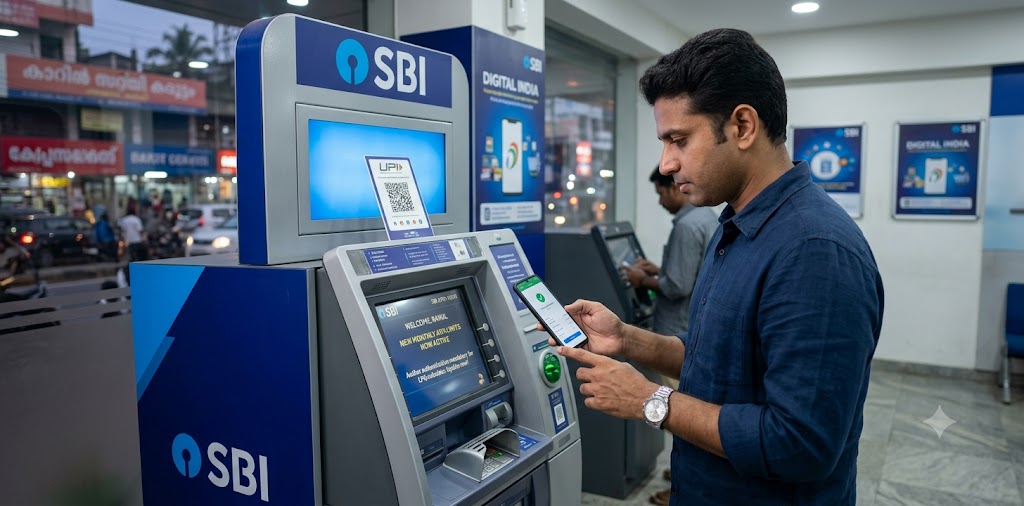
A series of key personal finance, banking, and regulatory adjustments will take effect across India starting October 1, directly impacting individual savings, digital transactions, and essential household subsidies. The updates range from revised ATM transaction limits and mandatory biometric verifications to tightened interest rate disclosures for bulk deposits.
Reduced Free ATM Transactions for SBI Salary Accounts
Under the revised guidelines, State Bank of India (SBI) will reduce the number of monthly free transactions at non-SBI ATMs for its Salary Package account holders. The limit for both financial and non-financial transactions will decrease from ten to five per month. Basic Savings Bank Deposit (BSBD) account holders will retain four free cash withdrawals monthly, after which subsequent withdrawals will incur a charge of ₹15 plus applicable GST.
Mandatory Aadhaar Verification for LPG Subsidies
In a move to streamline welfare distribution, biometric Aadhaar verification will become mandatory for consumers to claim subsidized Liquefied Petroleum Gas (LPG) cylinders. Beneficiaries who do not complete the biometric authentication process will be required to purchase cylinders at non-subsidized market rates.
New Transparency Rules for Bulk Fixed Deposits
The Reserve Bank of India (RBI) is implementing updated regulations governing bulk fixed deposits to enhance market transparency. Commercial banks will now be required to publish their bulk deposit interest rates prominently on their official websites every working day by 10:00 AM, with a strict 10-minute grace period ending at 10:10 AM.
Revised Merchant Rules for UPI Payments
Payment ecosystem adjustments are also scheduled for later in the month. Effective October 15, a revised Merchant Discount Rate (MDR) framework will apply to specific merchant transactions exceeding ₹2,000. Individual peer-to-peer (P2P) transfers will remain entirely free of cost, and end-consumers will not bear any additional transaction charges for merchant payments.
These operational shifts reflect broader efforts by regulatory bodies and financial institutions to standardize digital operations, strengthen authentication protocols, and ensure transparent pricing across the banking sector.