
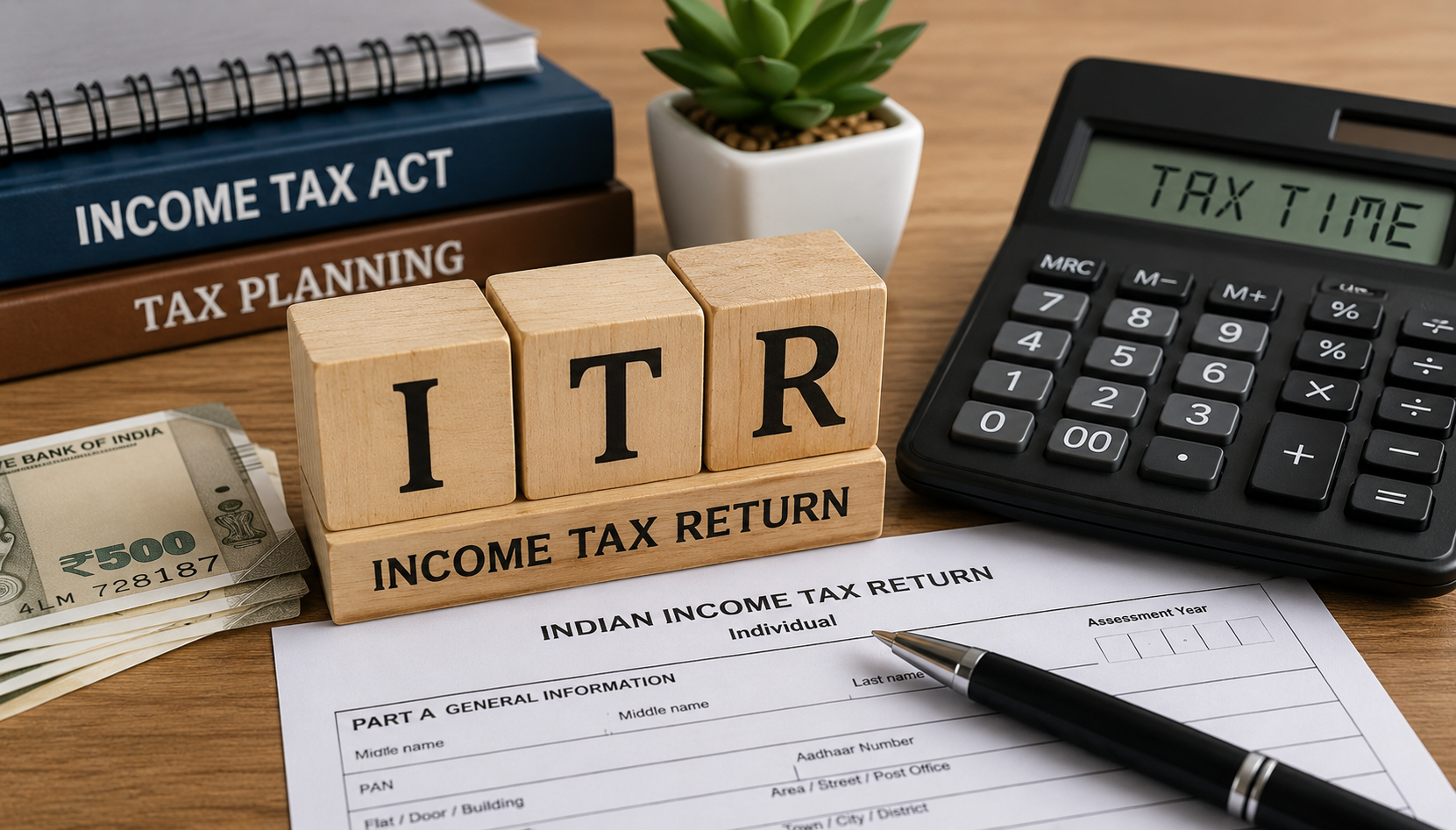
Taxpayers have only until July 31, 2026, to file their Income Tax Return (ITR) for the Assessment Year 2026–27. The deadline applies to most individual taxpayers who are not required to undergo a tax audit. While a belated return can still be filed later in the year, delaying the process may result in additional costs and the loss of certain benefits.
Individuals who miss the July 31 deadline can submit a belated return up to December 31, 2026. However, tax experts advise filing on time to avoid penalties, interest charges, and unnecessary complications.
Under the Income Tax Act, taxpayers filing after the due date may have to pay a late filing fee. The maximum penalty can go up to ₹5,000, while individuals with a total income of up to ₹5 lakh may have to pay a reduced fee of ₹1,000. Interest may also apply if any tax remains unpaid.
Missing the deadline can also affect tax refunds. Although a belated return can still be filed, delaying the process may postpone the refund. In some cases, taxpayers filing through an updated return (ITR-U) may not be eligible to claim a refund.
Timely ITR filing is also important beyond tax compliance. Banks often ask for recent ITR acknowledgements while processing home, personal, or business loan applications. Many foreign embassies also request ITR documents as part of visa verification, making timely filing beneficial for frequent travellers and professionals.
Failing to file a return despite being eligible may also increase the chances of receiving notices from the Income Tax Department or being selected for further scrutiny.
With the deadline approaching, taxpayers are encouraged to review their income details, verify tax deductions, and complete the filing process well before July 31 to avoid last-minute technical issues.