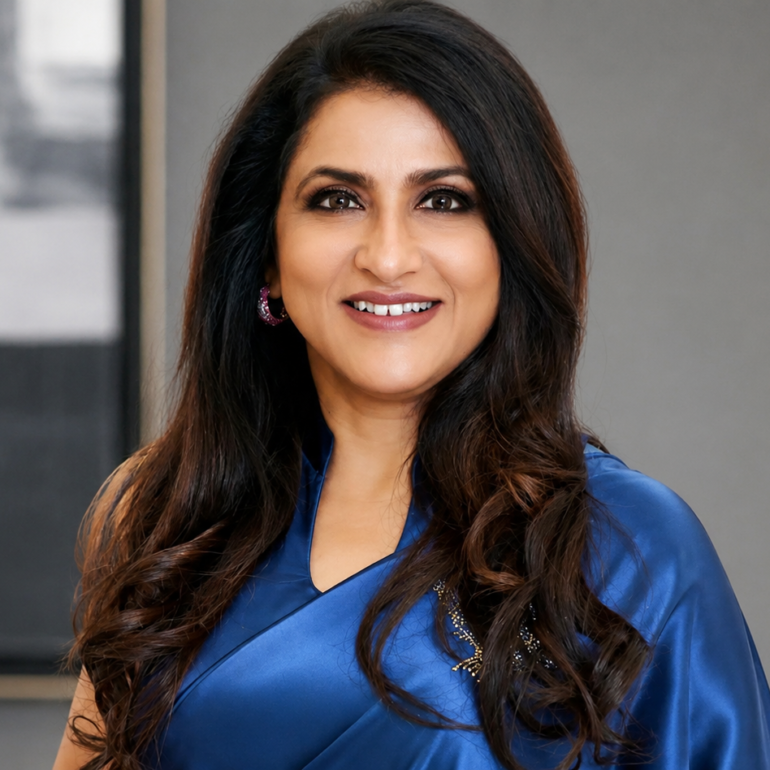
Noureen Aysha & Naseef Nazar
Co-Founder, FemiSafe
Noureen Aysha and Naseef Nazar are a husband-wife entrepreneurial duo who founded FemiSafe, a Kerala-based femtech brand launched in 2020. They focus on eco-friendly, sustainable feminine hygiene products (like sanitary cups) to address period stigma and, as mentioned by Kerala Startup Mission, disposal concerns. Noureen Aysha is a Kozhikode native with a background in engineering and HR (formerly with Mahindra). She focuses on brand awareness and breaking taboos around menstruation. Naseef Nazar is a software engineer from Kasargod who handles the technical and marketing aspects of the company. The duo pivoted to launching FemiSafe during the 2020 COVID-19 pandemic lockdowns after witnessing challenges with sanitary pad disposal. They are widely recognized for their efforts in “untabooing” female wellness and building a brand that encourages better, environmentally conscious menstruation practices. FemiSafe based in Kochi, aims to make safe, sustainable menstrual products accessible, particularly in Tier 2 and Tier 3 cities.
Key Factors
Noureen Aysha
Title: Co-Founder, FemiSafe
Occupation: Entrepreneur, Women’s Wellness Innovator
Known For: Advocating menstrual cup adoption and co-building FemiSafe’s product philosophy
Naseef Nazar
Title: Co-Founder, FemiSafe
Occupation: Entrepreneur, Startup Strategist
Known For: Co-founding FemiSafe and driving its expansion as a comfort-focused wellness brand
A Pandemic Reality
In the early months of the COVID-19 lockdown, when supply chains faltered and waste collection systems slowed, a quieter crisis surfaced in India’s cities. In Kochi, sanitation workers, already under strain, were forced to manually handle used sanitary pads, often with minimal protection.
It was not a new problem, but the pandemic made it visible in ways that were hard to ignore. For Noureen Aysha and Naseef Nazar, the moment was less an observation and more a confrontation with an uncomfortable truth, that menstruation, often framed as a personal issue, carries broader social and environmental consequences.
The image stayed. And from it, an idea began to take shape.
A Question That Changed Direction
Noureen was already using a menstrual cup, a product that offers a reusable alternative to disposable sanitary pads. Her experience had shown her a different possibility, one that was more sustainable, cost-effective, and, in many cases, more comfortable.
It was during conversations around this that Naseef posed a simple but pointed question: “Why aren’t more people using menstrual cups?”
The answer was layered. Awareness gaps, cultural hesitation, lack of accessibility, and misinformation all played a role. But beneath these barriers was something more fundamental, the absence of a user-centric approach to women’s intimate health.
The realization shifted their thinking. This was not just about promoting a product. It was about rethinking how women’s everyday discomforts were understood and addressed.
In 2020, in the midst of the pandemic, they founded FemiSafe.
Building FemiSafe: From Idea to Category
The early phase of FemiSafe was shaped by both urgency and uncertainty. The problem was clear, but the market was fragmented. Menstrual health products existed, but adoption was uneven. Consumer trust, particularly in intimate care, required more than just availability.
FemiSafe began with a focus on menstrual cups, positioning them not just as an alternative, but as a better solution. Education became as important as the product itself. The founders had to engage with users, address concerns, and build confidence in a category that still carried stigma.
However, as they interacted with customers, a broader pattern emerged. The challenges women faced were not limited to menstruation. There were recurring, everyday discomforts, skin irritation, hygiene concerns, clothing-related issues, that were rarely addressed systematically.
This insight led to a pivot, not away from menstrual health, but toward a wider category. FemiSafe evolved into what it now describes as a “comfort-first wellness brand.”
Product Philosophy and Innovation
FemiSafe’s approach is built around simplicity and relevance. Instead of creating aspirational or overly complex products, the focus is on solving specific, recurring problems.
The company’s product range now spans multiple categories, including intimate care, skin-related solutions, and lifestyle-oriented products designed to improve everyday comfort. The emphasis is on science-backed formulations, practical usability, and integration into daily routines.
This positioning sets FemiSafe apart from traditional personal care brands, which often segment products into rigid categories. By focusing on discomfort as a unifying theme, the company is effectively attempting to create a new market space.
The challenge, however, lies in execution. Building a category requires not just product innovation, but also consumer education and sustained engagement.
Breaking Taboos and Addressing Market Gaps
India’s women’s health market is shaped as much by cultural norms as by consumer demand. Conversations around menstruation, intimate care, and bodily discomfort remain limited in many parts of the country.
This creates a paradox. The need for solutions is high, but the willingness to openly engage with these products is constrained.
FemiSafe operates within this tension. Its communication strategy, based on available public narratives, appears to emphasize honesty and relatability rather than overt disruption. Instead of challenging taboos directly, it works around them by normalizing conversations through product use.
This approach aligns with broader trends in India’s femtech sector, where startups are increasingly focusing on education-led adoption rather than aggressive marketing.
A Measured Expansion
FemiSafe’s recent funding round, which raised ₹3 crore from investors including Jain University and the Kerala Angel Network, marks a significant milestone. For an early-stage startup in a niche category, this level of backing indicates both investor confidence and market potential.
The funding is expected to be directed toward research and development, as well as the launch of new products. In a category where differentiation depends heavily on innovation, this focus is critical.
At the same time, the scale of funding suggests a measured growth strategy. Unlike heavily capitalized startups that prioritize rapid expansion, FemiSafe appears to be building incrementally, focusing on product-market fit before scaling.
Complementary Roles
The partnership between Noureen Aysha and Naseef Nazar reflects a blend of personal experience and strategic thinking. Noureen’s perspective as a user informs the product philosophy, ensuring that solutions are grounded in real needs. Naseef’s role appears to be more oriented toward business strategy, growth, and market positioning.
This combination is particularly relevant in a category like women’s wellness, where authenticity and trust are critical. Products cannot be built in isolation from user experience.
Their shared vision centers on redefining how comfort is perceived in personal care. Instead of treating it as an incidental benefit, FemiSafe positions comfort as the primary value proposition.
Building a New Category
Looking ahead, FemiSafe’s trajectory will depend on its ability to scale without losing its core identity. The expansion of product lines, supported by R&D investments, suggests a move toward deeper category ownership.
The broader femtech market in India is still in its early stages, with significant room for growth. Increasing awareness, digital adoption, and changing social attitudes are likely to create new opportunities.
However, competition is also intensifying, with both startups and established FMCG players entering the space. For FemiSafe, differentiation will depend on maintaining its focus on everyday discomforts, an area that remains underexplored.
The company’s long-term impact may lie not just in the products it sells, but in the conversations it enables. By framing comfort as a legitimate and necessary aspect of wellness, it challenges a long-standing gap in how women’s needs are addressed.
Reflection
FemiSafe’s journey, from a pandemic-triggered realization to a growing wellness brand, reflects a shift in how entrepreneurship is responding to overlooked problems. Noureen Aysha and Naseef Nazar have chosen to build not around trends, but around lived experiences that are often ignored.
In doing so, they are not just selling products, but attempting to define a new category, one that recognizes comfort as central, not peripheral, to well-being. It is an outstanding reminder that some of the most meaningful innovations emerge not from disruption alone, but from paying attention to what has long been normalized and choosing to change it.