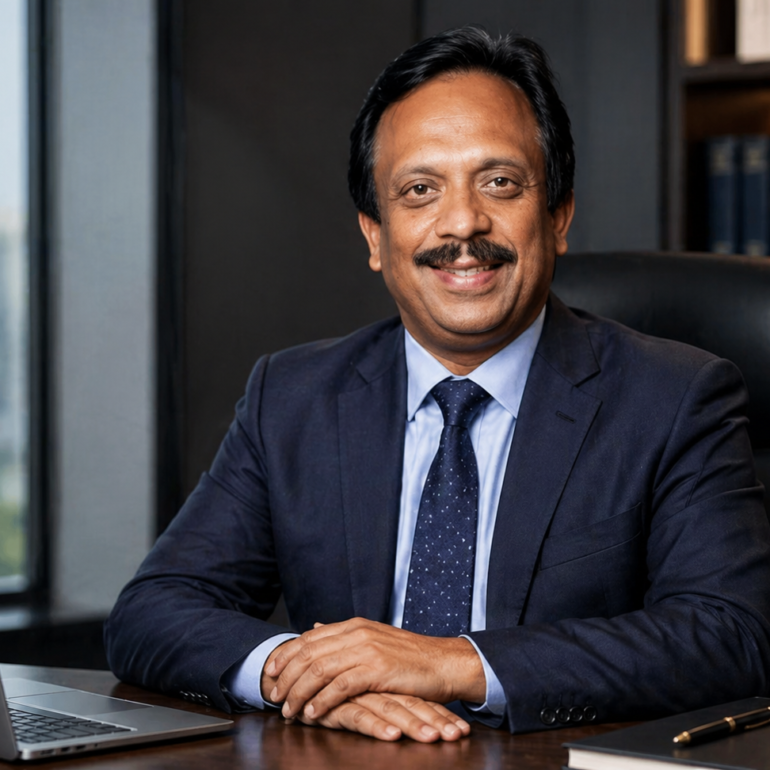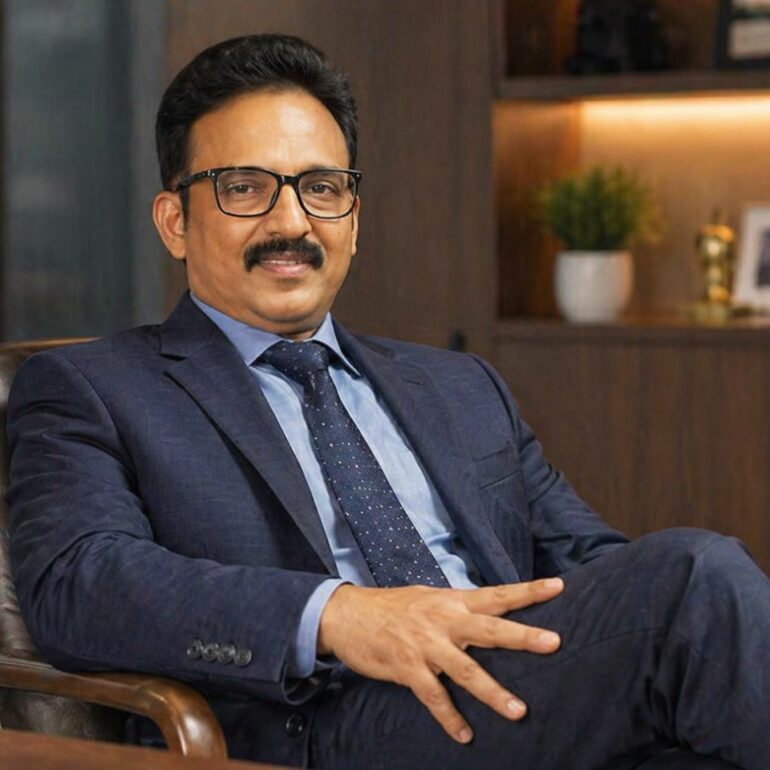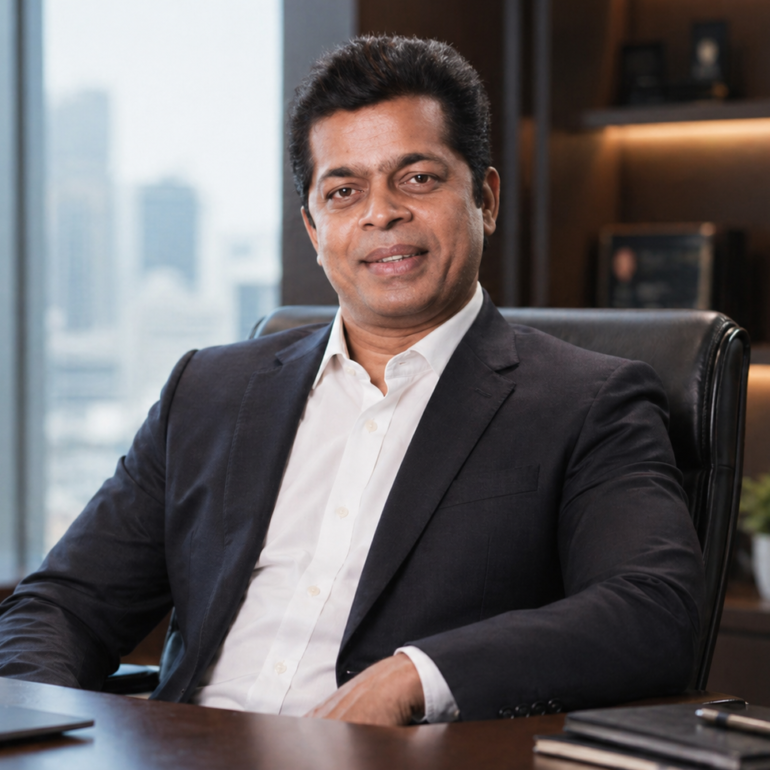
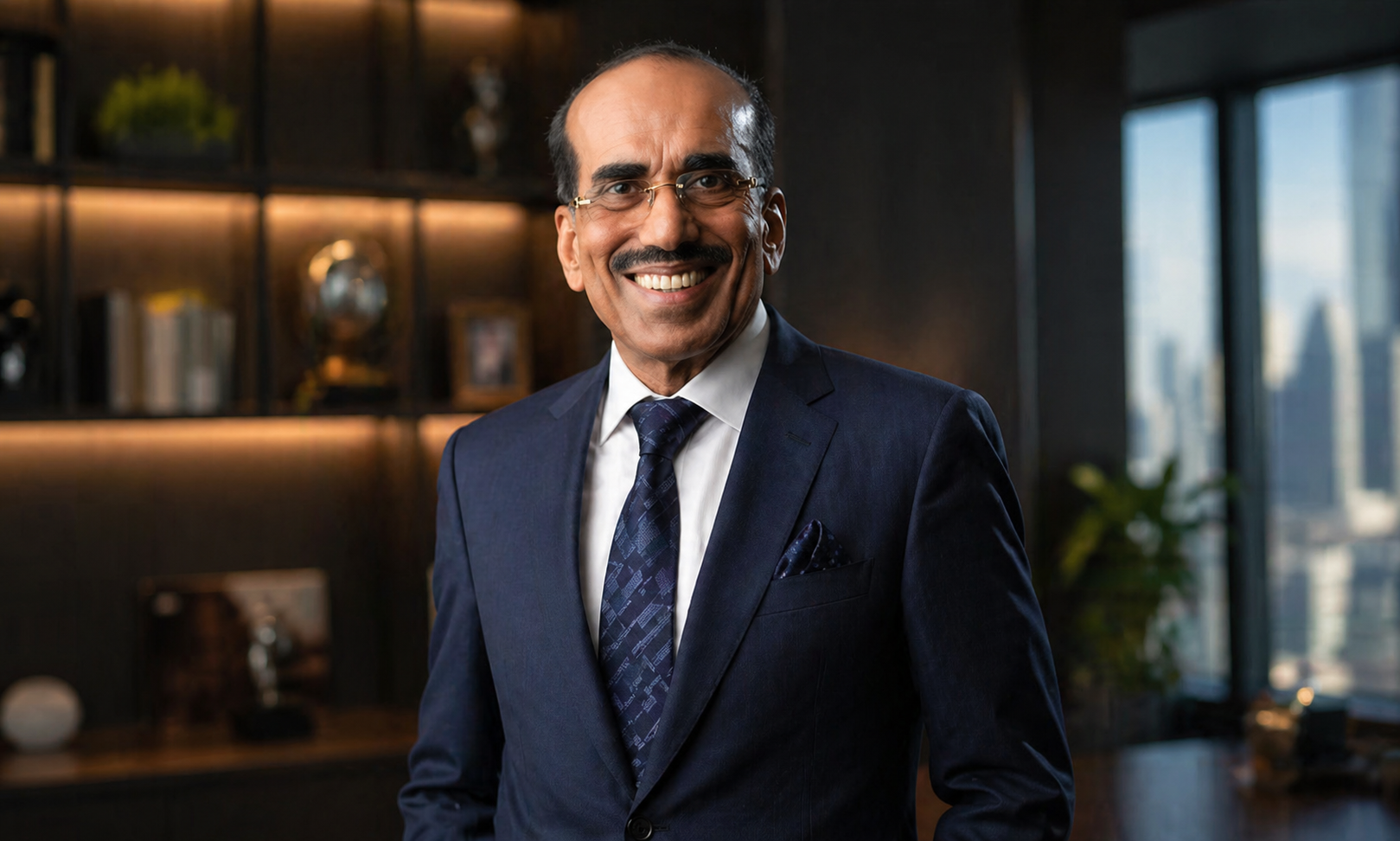
P. K. Ahammed
Founder and Chairman of the Peekay Group
PK Ahammed is the founder and Chairman of the Peekay Group, which includes Peekay Steel Castings (P) Ltd, a leading manufacturer based in Kerala, India. The company is a family-managed business. Peekay Steel Castings (P) Ltd (founded 1991), which originated from a takeover in 1986. The company, based in Calicut, Kerala, serves major clients like GE, Siemens, and Emerson Electric. PK Ahammed transformed the company from a struggling small steel unit into a successful, large-scale casting manufacturer, with the company often regarded as a leader in industrial casting in Kerala.
Key Facts
Full Name: P. K. Ahammed
Place: Kerala, India (Calicut/Kozhikode)
Title: Founder & Chairman, Peekay Group
Occupation: Industrialist, Entrepreneur, Philanthropist
Known For: Building Peekay Group, pioneering industrial manufacturing in Kerala, CSR and educational initiatives
Early Years and Entry into Business
P. K. Ahammed’s entry into business was neither accidental nor abrupt. It was shaped by early exposure to commerce through his family’s trading activities. In 1960, he joined his father’s business, gaining firsthand experience in the mechanics of trade, procurement, and market dynamics.
This period was formative. Kerala’s economy at the time was largely agrarian, with limited industrial infrastructure. Business opportunities were often tied to trade rather than production. For a young Ahammed, this environment offered both learning and constraint.
The turning point came in 1971, following the demise of his father. Thrust into a leadership role, Ahammed had to transition quickly from participant to decision-maker. It was a period that demanded not just operational control but strategic clarity. His early decisions reflected an instinct for diversification and risk-taking, traits that would later define his industrial journey.
Trading to Industrial Transition
The 1970s marked a critical phase in Ahammed’s evolution from trader to entrepreneur. One of the defining ventures during this period was P.K. Ahammed & Co., which focused on importing rice. In 1974, the company secured a No Objection Certificate from the Government of India to import rice, a significant regulatory achievement at the time.
This business was more than a commercial success; it exposed Ahammed to the complexities of supply chains, government policy, and large-scale operations. It also highlighted the limitations of trading as a long-term growth strategy.
By the early 1970s, Ahammed had begun exploring manufacturing. In 1972, he entered the steel sector through Janatha Steel Mills, a move that signaled a shift in ambition. The eventual takeover of the unit in 1984 reflected both confidence and conviction. Steel, unlike trading, required capital investment, technical expertise, and long-term planning.
This transition was not without risk. Kerala’s industrial ecosystem was still underdeveloped, with infrastructural challenges and regulatory constraints. Yet, Ahammed’s decision to move into manufacturing demonstrated a willingness to operate against the grain of the state’s economic structure.
Building Industrial Foundations
Parallel to his ventures in steel, Ahammed expanded into the food processing sector. In 1982, he established Ahammed Roller Flour Mills, one of the first roller flour mills in Kerala’s small-scale sector.
This was a strategic move. Flour milling addressed a fundamental consumption need while leveraging Ahammed’s experience in grain trading. It also allowed for vertical integration, linking procurement with processing.
Over time, this segment expanded into multiple units, including Peekay Roller Flour Mills in Calicut and Pondy Roller Flour Mills in Mahe. These ventures strengthened the group’s presence in essential commodities while providing a stable revenue base.
The diversification into flour milling and steel may appear disparate, but both sectors share a common thread: process-driven manufacturing. For Ahammed, the emphasis was on building operational capabilities that could scale across industries.
The Steel Vision: Birth of Peekay Group
If the 1970s and early 1980s were about exploration, the late 1980s and 1990s marked consolidation and identity formation. The Peekay Group, as it is known today, began to take shape during this period.
A pivotal moment came with the acquisition of a struggling casting unit in 1986. Rather than viewing it as a liability, Ahammed saw an opportunity to build a specialized manufacturing business. This unit would eventually evolve into Peekay Steel Castings (P) Ltd, formally established in 1991.
The transformation was gradual but deliberate. Investments were made in technology, process optimization, and workforce development. Over time, Peekay Steel Castings grew into a large-scale, export-oriented manufacturer, supplying components to global industrial clients.
The company’s client base includes multinational corporations such as General Electric, Siemens, and Emerson Electric. Serving such clients requires adherence to stringent quality standards, precision engineering, and reliable delivery schedules.
Alongside this, Peekay Rolling Mills (P) Ltd expanded the group’s footprint in steel processing, creating a more integrated industrial ecosystem.
This phase represents the culmination of Ahammed’s industrial vision: moving from local manufacturing to global supply chains.
Leadership Philosophy and Family-Managed Growth
Peekay Group remains a family-managed enterprise, a structure that brings both continuity and complexity. Ahammed’s leadership style has traditionally been hands-on, particularly in the formative years of the company.
As the group expanded, the involvement of the next generation became increasingly important. Family-managed businesses in India often face the challenge of balancing legacy with modernization, and Peekay is no exception.
Governance within such structures typically evolves over time, incorporating professional management while retaining family oversight. In Peekay’s case, this balance has enabled continuity in values while allowing for operational scalability.
Ahammed’s philosophy appears rooted in disciplined growth. Rather than pursuing rapid diversification, the focus has been on strengthening core businesses and ensuring quality consistency.
CSR, Education, and Social Impact
Beyond industry, P. K. Ahammed has been actively involved in social and educational initiatives. The Peekay Educational and Charitable Trust serves as a key vehicle for these efforts.
One of its flagship institutions is Peekay Arts & Science College in Calicut, which contributes to higher education in the region. Such initiatives reflect a broader trend among industrialists who view education as both a social responsibility and a long-term investment in human capital.
The group has also engaged in healthcare and welfare initiatives, though detailed public data on these activities is limited. What is evident, however, is a commitment to community development that aligns with the group’s regional roots.
Ahammed’s approach to CSR appears pragmatic, focused on tangible contributions rather than symbolic gestures.
Legacy and Industry Impact
Assessing P. K. Ahammed’s legacy requires situating his work within Kerala’s broader economic context. The state has historically lagged in large-scale manufacturing, with a stronger emphasis on services, remittances, and small-scale industries.
In this environment, building a diversified industrial group is itself a significant achievement. Peekay’s presence in steel casting, in particular, places it within a niche segment of precision manufacturing that connects Kerala to global industrial supply chains.
The group’s ability to serve multinational clients underscores its technical competence and operational discipline. It also highlights the potential for manufacturing excellence within a state often perceived as industry-averse.
In terms of employment and economic contribution, companies like Peekay play a critical role in sustaining local industrial ecosystems.
Ahammed’s journey also offers a broader lesson in entrepreneurship. It demonstrates the value of transitioning from trading to manufacturing, from short-term gains to long-term asset creation.
Reflection
P. K. Ahammed’s story is not one of rapid disruption or headline-driven growth. It is a story of steady, disciplined expansion, rooted in an understanding of markets, processes, and people.
From importing rice in the 1970s to supplying precision castings to global industrial giants, his journey reflects both adaptability and conviction. In a state where industrial success is often seen as an exception, he has built a model that is both sustainable and scalable.
The factories may not attract the same attention as technology startups or financial ventures, but their impact is tangible, measured in production, employment, and exports.
And in that quiet, methodical forging of industry, P. K. Ahammed’s legacy stands as not just significant, but unmistakably outstanding.