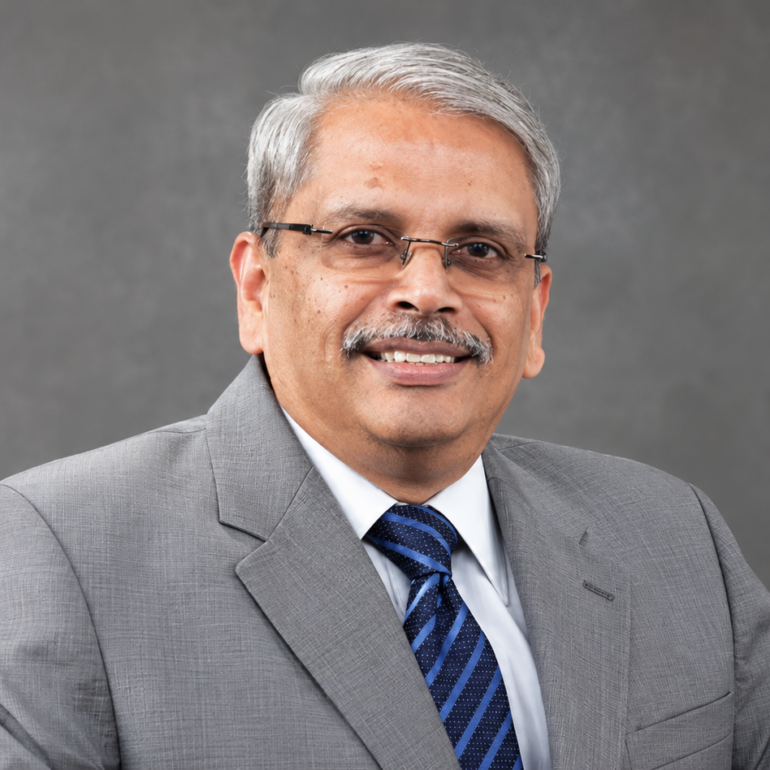
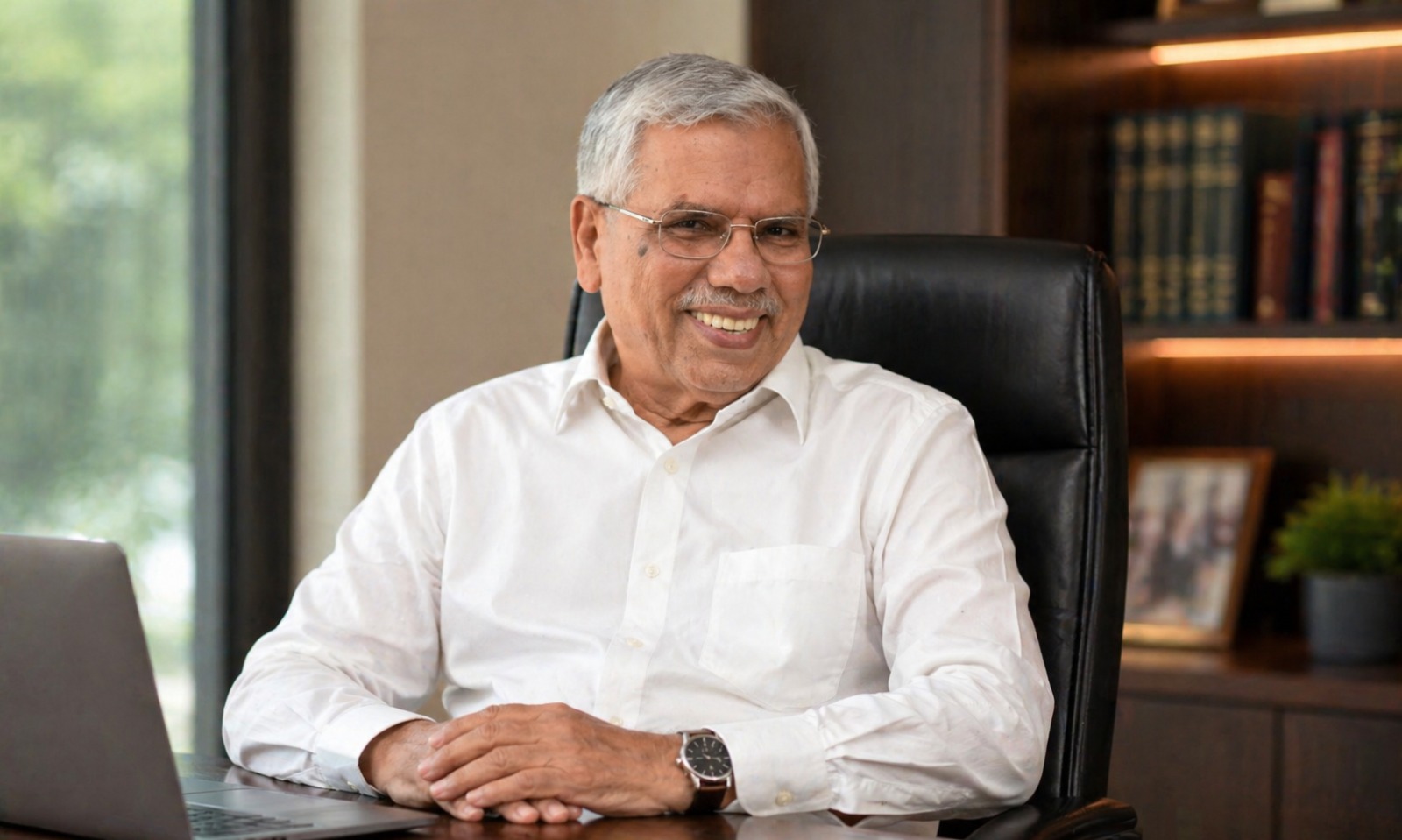
V. K. C. Mammed Koya
V. K. C. Mammed Koya is the founder of VKC Group (VKC Footwear), a footwear company. With declared assets of more than ₹ 30 crore, he was the second richest MLA in Kerala legislative assembly. The VKC Group, established in 1984 in Kozhikode, Kerala, by V.K.C. Mammed Koya, is one of India’s largest footwear manufacturers, specializing in PU, PVC, and EVA products. With over 20 manufacturing units, they hold a significant market share in India and internationally, featuring brands. The group operates a diverse portfolio including VKC Pride, VKC Lite, VKC Stile, Walkaroo, Blue Tyga, and Vestire.
Key Factors
Full Name: V. K. C. Mammed Koya
Born: 5 February 1940
Place: Kozhikode, Kerala, India
Title: Founder, VKC Group; Former MLA
Occupation: Industrialist, Entrepreneur, Politician
Known For: Building VKC Footwear into a large-scale, affordable footwear brand in India
Inside a VKC factory, the rhythm is mechanical but relentless. Sheets of EVA foam are cut, moulded, pressed, and assembled into finished footwear at a pace that feels closer to industrial choreography than craft. Thousands of pairs move through the line every hour, each designed not for display shelves, but for everyday use, streets, workplaces, and homes across India.
This is not a business built on aspiration or luxury. It is built on scale. And at the centre of it is V. K. C. Mammed Koya, a man who understood early that India’s largest market was not looking for premium brands, but for reliable, affordable products that could endure daily life.
Early Life and Origins
Mammed Koya’s story begins in Kozhikode, a city with a long trading history but limited large-scale manufacturing tradition. In the decades following independence, Kerala’s economy was shaped more by remittances than by industry. Entrepreneurship often meant small-scale trading or service businesses.
Entering manufacturing in this context required both risk tolerance and operational clarity.
Details of Koya’s early life are not extensively documented in public sources, but his trajectory suggests a familiarity with grassroots commerce and a practical understanding of market demand. Unlike founders who enter business with capital backing or formal management training, his approach appears to have been shaped by observation, necessity, and incremental learning.
Founding of VKC Group
The VKC Group was established in 1984, at a time when India’s footwear market was largely unorganized. Local manufacturers dominated, offering low-cost products with minimal differentiation. Branded players existed, but they were limited in reach and often positioned at higher price points.
Koya’s decision to enter the footwear sector was strategic. Footwear is a high-volume, repeat-purchase category with consistent demand across income segments. More importantly, it allowed for scalable manufacturing once systems were established.
The early years were marked by typical constraints, limited capital, evolving supply chains, and the challenge of building distribution networks. But the core model was clear from the start: produce durable, affordable footwear at scale.
This focus would later define VKC’s competitive advantage.
Scaling the Business
Over the decades, VKC Group expanded from a single manufacturing unit into a multi-state industrial network.
Today, the company operates more than 20 manufacturing units across eight states in India, with a production capacity of approximately 5.5 lakh pairs per day. This scale places it among the largest footwear manufacturers in the country.
Financial growth reflects this expansion. The company’s revenue reportedly grew from around ₹50 crore in 2005 to over ₹2,100 crore by 2022, a trajectory driven not by premium pricing, but by volume and operational efficiency.
The product portfolio spans multiple materials, including PU (polyurethane), PVC (polyvinyl chloride), and EVA (ethylene-vinyl acetate), each chosen for specific use cases, durability, flexibility, or cost efficiency.
This manufacturing-led growth model distinguishes VKC from brands that rely heavily on marketing or design differentiation. The company’s strength lies in its ability to produce consistently at scale while maintaining cost control.
Brand Architecture and Market Strategy
As the company expanded, VKC developed a multi-brand architecture to cater to different segments of the market.
Brands like VKC Pride, VKC Lite, and VKC Stile target varying consumer needs, from basic daily wear to slightly more design-oriented products. Walkaroo, one of its most recognized brands, has gained significant traction in South India and beyond, positioned as a reliable, affordable option for everyday footwear.
More recent entries like Blue Tyga and Vestire indicate attempts to diversify into newer segments and possibly appeal to younger or more urban consumers.
This segmentation strategy allows VKC to operate across price points without diluting its core identity. The emphasis remains consistent, affordability combined with durability.
Unlike premium footwear brands that invest heavily in lifestyle marketing, VKC’s approach is distribution-driven. Its presence in small towns, rural markets, and regional retail networks gives it access to a customer base that is often overlooked by larger, urban-focused brands.
Political Career and Public Life
Beyond business, Mammed Koya has also been active in politics. He has served as a Member of the Legislative Assembly (MLA) in Kerala, representing his constituency while maintaining his role in the business.
His declared assets, exceeding ₹30 crore, placed him among the wealthier legislators in the state, highlighting the scale of his entrepreneurial success.
The intersection of business and politics in his career reflects a broader pattern in Kerala, where industrialists often engage in public life. However, this dual role also requires navigating potential conflicts between governance responsibilities and business interests.
Publicly available information does not indicate significant controversies directly linked to his political role, but the overlap itself remains a point of broader discussion in policy and governance circles.
Business Philosophy
At the core of VKC’s growth is a clear and consistent philosophy: serve the mass market efficiently.
This translates into several operational principles. First, maintain strict cost control to keep products affordable. Second, focus on durability to build customer trust. Third, prioritize manufacturing scale over brand-led differentiation.
This approach contrasts with companies that invest heavily in advertising and brand positioning. VKC’s model is less visible but more deeply embedded in everyday consumption patterns.
It also reflects a long-term view. In a market where price sensitivity remains high, especially outside urban centres, affordability is not just a feature, it is a requirement.
Challenges and Market Dynamics
Despite its scale, VKC operates in a highly competitive environment.
The Indian footwear market has seen the entry of both domestic and international players, each targeting different segments. Premium brands compete on design and aspiration, while unorganized players continue to dominate the low-cost segment.
For VKC, the challenge lies in balancing scale with evolving consumer expectations. As incomes rise, even price-sensitive customers begin to demand better design, comfort, and brand experience.
There is also the broader shift towards organized retail and e-commerce, which changes how products are marketed and distributed. Companies that rely heavily on traditional distribution networks must adapt to these new channels without losing their core strengths.
Additionally, raw material costs, regulatory changes, and labour dynamics continue to influence the manufacturing landscape.
Legacy and Future Outlook
V. K. C. Mammed Koya’s legacy is not defined by visibility, but by reach.
Millions of consumers across India wear VKC products daily, often without associating them with a specific brand narrative. This anonymity, in some ways, is part of the company’s strength. It reflects a focus on function over form, on meeting needs rather than shaping aspirations.
Looking ahead, VKC’s future will depend on its ability to evolve within a changing market. Expanding beyond strongholds in South India, strengthening brand identity, and adapting to digital retail environments will be critical.
At the same time, its core advantage, manufacturing scale and cost efficiency, remains relevant. In a country where a significant portion of the population continues to prioritize affordability, this model retains its power.
Reflection
V. K. C. Mammed Koya’s journey is a study in disciplined growth. It is not built on disruptive innovation or high-profile branding, but on understanding a simple truth about India, scale matters, but only if it serves real demand.
From a single unit in Kozhikode to a nationwide manufacturing network, his work has shaped how footwear is produced and consumed in the mass market.
In an era increasingly defined by premiumization and brand storytelling, VKC’s model offers a different perspective. It reminds us that industrial success in India often lies not in creating new desires, but in meeting existing ones better.
And in that quiet, consistent execution, there is something undeniably outstanding.