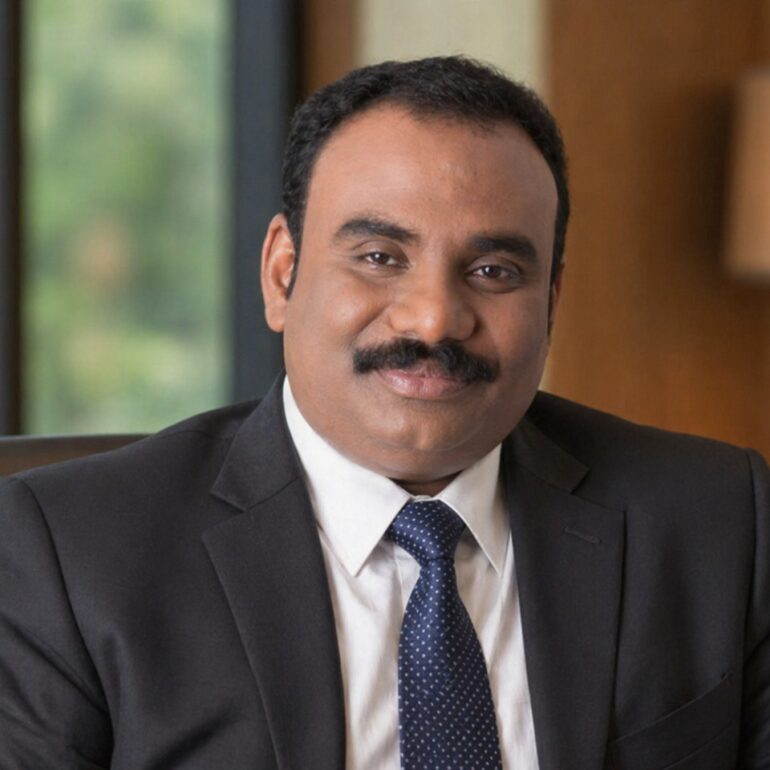
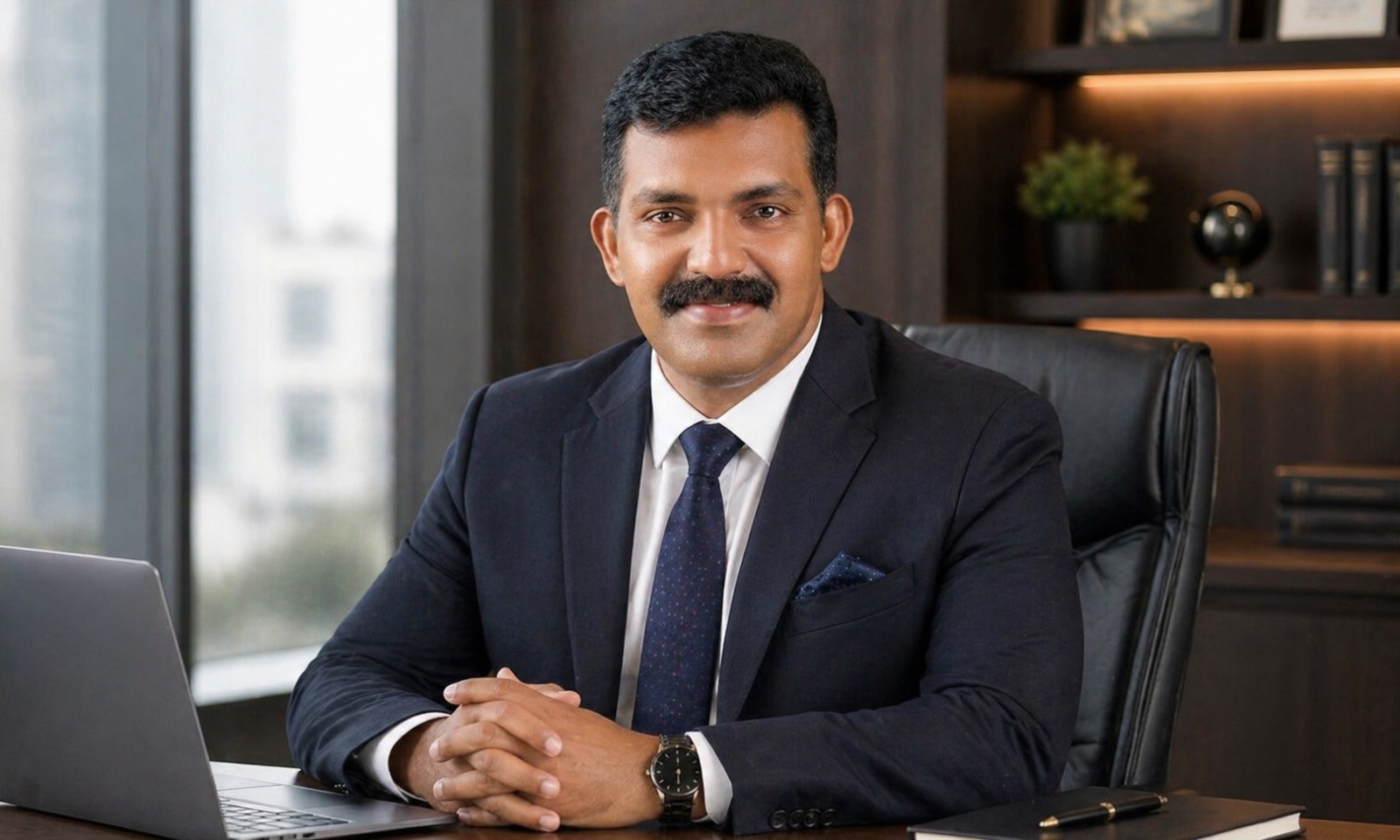
Anish K. Joy
Founder & Director, Servosonic Group
Anish K. Joy (Anish Karottel Joy) is the key founder and director behind Servosonic, including Servosonic Lifestyle Private Limited (incorporated in 2022) and Servosonic Hotels and Resorts. He is a multi-sector entrepreneur operating in electronics, hospitality, and lifestyle brands, based in Maharashtra and Kerala. Servosonic Lifestyle Private Limited Established November 18, 2022, to manage business ventures. Anish K. Joy is known for developing various businesses, including Servosonic’s expansion from technological sectors into hospitality. His businesses operate across Kerala and Maharashtra, but more importantly, they operate in relation to each other. This interconnected approach, grounded in execution rather than visibility, positions him as an outstanding example of a system-builder, an entrepreneur focused not just on growth, but on structure.
Key Facts
Full Name: Anish Karottel Joy
Place: Kannur, Kerala, India
Title: Founder & Director, Servosonic Group
Occupation: Entrepreneur, Business Strategist
Known For: Building a multi-industry ecosystem across electronics, hospitality, interiors, food, retail, and beauty-tech
At first glance, Anish K. Joy’s portfolio can seem fragmented. Electronics. Food. Interiors. Hospitality. Beauty. Retail. Each belongs to a different economic logic, different customer base, different operational rhythm.
But look closer, and a pattern emerges.
His ventures are not random entries into trending industries. They follow a structural logic, one that prioritises operational credibility, builds distribution strength, and then layers new verticals on top of that foundation. What appears as diversification is, in reality, system design.
The core idea is simple: businesses should reinforce each other.
Execution Before Identity
Before there was Servosonic, before branding or expansion, there was execution.
Anish’s early work in air conditioning, across assembly, servicing, and marketing, placed him in an environment where performance was non-negotiable. There was no room for abstraction. Products had to work. Services had to deliver.
This phase shaped a defining principle: credibility must be built operationally before it is communicated commercially.
That distinction matters. Many entrepreneurs start with identity, brand, narrative. Anish started with systems. It gave him something more durable than early recognition, a deep understanding of how products behave in real-world conditions and how customers evaluate value beyond marketing.
Servosonic: Building the Core Engine
Servosonic marked the transition from hands-on service work to scalable enterprise.
Entering the inverter and electronics segment, the company avoided the typical startup instinct of aggressive differentiation. Instead, it focused on reliability, durability, and after-sales support, areas often under-emphasised in consumer electronics.
This was not accidental positioning. It reflected a clear strategic choice: compete on trust rather than visibility.
Over time, Servosonic built distribution networks and service infrastructure that became more valuable than the products themselves. It created a repeatable model, disciplined scaling anchored in consistency.
Crucially, Servosonic did more than generate revenue. It became the operating backbone for future ventures.
From Products to Systems: Interiors and Infrastructure
The move into interiors, particularly in Bengaluru’s office ecosystem, was not an unrelated diversification.
It was a shift from products to environments.
As businesses grow, their physical infrastructure evolves. Workspaces become strategic assets, shaping productivity and identity. By entering this space, Anish positioned himself within the lifecycle of enterprise growth.
This move also deepened business relationships. Instead of transactional sales, the interiors vertical allowed for long-term engagement with clients, integrating into their expansion journeys.
The implication is important. The portfolio began to move from selling to participating.
Sweet 17: Trust in a Fragile Market
If electronics reward durability over time, food punishes inconsistency instantly.
The launch of Sweet 17 introduced Anish into a category where consumer trust is fragile and built through repetition. Unlike many food brands that chase novelty, Sweet 17 focused on reliability, consistent taste, predictable quality, and everyday usability.
This approach shifted the brand from being a product to becoming a habit.
Over time, that habit translated into loyalty. The brand’s expansion into international markets, especially among Indian expatriates, reinforces a key insight: familiarity travels well.
But the strategy is not without risk. In a category driven by innovation and changing tastes, prioritising consistency can limit differentiation. The question is whether trust alone is enough to sustain long-term growth.
Hospitality: Anchoring Value in Place
The Servosonic Resort in Josegiri, Kannur represents a different kind of investment, one rooted in place.
Unlike electronics or food, hospitality is experiential. Value is created through environment, emotion, and memory. By positioning the resort as a destination wedding venue, the business taps into cultural significance, not just market demand.
It also introduces asset-backed value into the portfolio.
This matters from a strategic standpoint. Physical assets provide stability in a portfolio otherwise driven by products and services. They anchor the brand in geography, creating visibility that cannot be replicated digitally.
But hospitality is also capital-intensive and operationally complex. Scaling it requires a different set of competencies, raising questions about how deeply this vertical will integrate with the broader system.
KLAMY: The Strategic Convergence
If Servosonic was the foundation, KLAMY is the pivot.
The beauty and personal care industry operates at the intersection of science, identity, and aspiration. It demands not just execution but perception. By entering this space, Anish moves into a category where emotional engagement matters as much as functional performance.
KLAMY is positioned not as a traditional product brand but as a platform. It integrates artificial intelligence into consumer interaction, analysing skin and hair profiles, recommending customised solutions, and refining outcomes through data feedback loops.
This is a structural shift.
The business moves from selling products to delivering personalised outcomes. From distribution-led growth to data-driven engagement.
The strategic intent is clear: build recurring relationships, not one-time transactions.
Technology and Personalisation
KLAMY’s AI-driven model reflects a broader industry trend toward precision consumption.
Consumers are no longer passive. They expect products tailored to their needs, informed by data and delivered with accuracy. By embedding personalisation into its core, KLAMY aligns itself with this shift.
But the challenge lies in execution.
AI-based personalisation requires robust data infrastructure, consistent user engagement, and continuous refinement. It is not just a feature, it is a system that must evolve with scale.
Whether KLAMY can maintain this level of sophistication as it grows remains an open question.
A Portfolio That Functions as a System
Viewed collectively, Anish’s ventures reveal a clear architecture.
Servosonic provides technical expertise and distribution. Interiors integrates with enterprise environments. Sweet 17 builds mass consumer trust. Hospitality creates physical presence. KLAMY introduces data-driven engagement.
Each vertical addresses a different layer of value creation.
Together, they form an interconnected system where strengths are shared and reinforced. The portfolio operates less like a collection of businesses and more like a network.
This is the defining difference. Many entrepreneurs diversify. Few integrate.
Leadership Philosophy: Structure Over Visibility
Anish K. Joy’s leadership style appears deliberately understated.
Rather than centralising control, he focuses on building teams and operational frameworks that allow each vertical to function independently while remaining strategically aligned.
This decentralised approach reduces bottlenecks and enables simultaneous scaling across sectors. Leadership, in this context, becomes less about decision-making and more about system design.
But it also introduces risk.
As the portfolio grows, maintaining coherence across diverse businesses becomes increasingly complex. Decentralisation works until it doesn’t, particularly when strategic priorities diverge.
Retail Expansion: Central Bazaar and Scale
The group’s retail ambitions are most visible in the expansion of Central Bazaar, which operates over 100 outlets across Kerala.
With a workforce exceeding 1,300 employees and plans to add dozens of new stores, the retail network reflects a commitment to scale through distribution rather than brand-driven differentiation.
The target of reaching significant turnover levels in the coming years signals confidence in this model.
Yet retail is a margin-sensitive business. Expansion requires not just footprint but efficiency, inventory management, and pricing discipline. The question is whether the system can absorb this scale without diluting operational standards.
The Next Phase: Integration, Not Expansion
If the first phase of Anish’s journey was about entering multiple industries, the next phase appears to be about integration.
The opportunity lies in connecting these verticals more deeply, shared logistics, cross-brand customer engagement, unified data systems.
KLAMY, with its technology foundation, could play a central role in this transition, introducing data intelligence into a portfolio largely built on operational strength.
The shift from diversification to integration will determine whether the ecosystem evolves into a cohesive architecture or remains a collection of parallel businesses.
Reflection
Anish K. Joy’s entrepreneurial journey does not fit the conventional narrative of disruption or rapid scale. It is slower, more methodical, and structurally oriented.
He is not building isolated successes. He is building a system.
That system is still evolving. It carries both potential and complexity. The interplay between integration and independence, between operational discipline and strategic ambition, will shape its future.
For now, what stands out is the clarity of approach, build steadily, expand logically, and connect deliberately.
In a business environment often driven by visibility and speed, that restraint is rare. And it is precisely this measured, system-first thinking that defines his trajectory as an outstanding example of ecosystem-driven entrepreneurship.