P. V. Abdul Wahab
Indian entrepreneur, politician and philanthropist
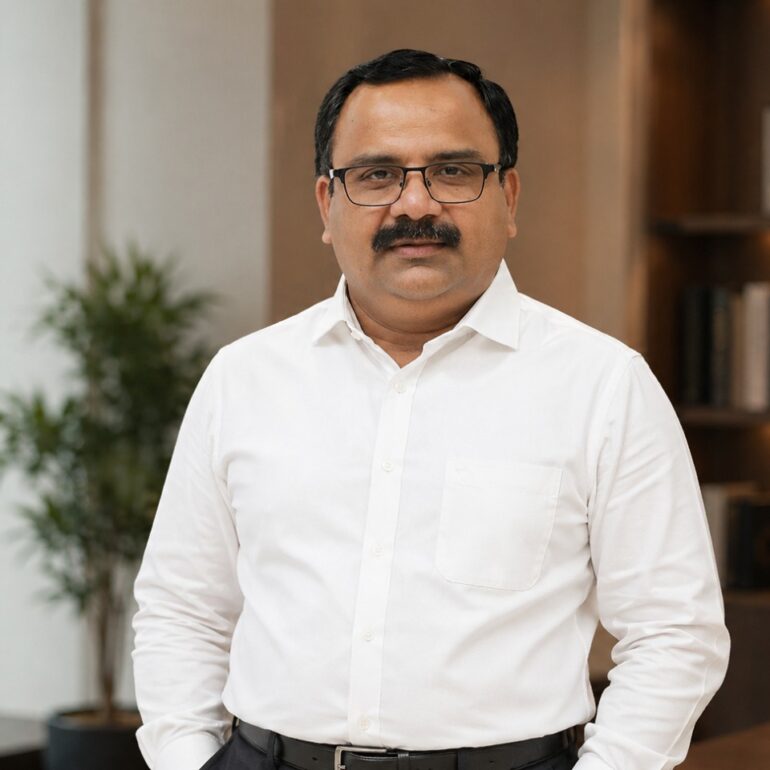
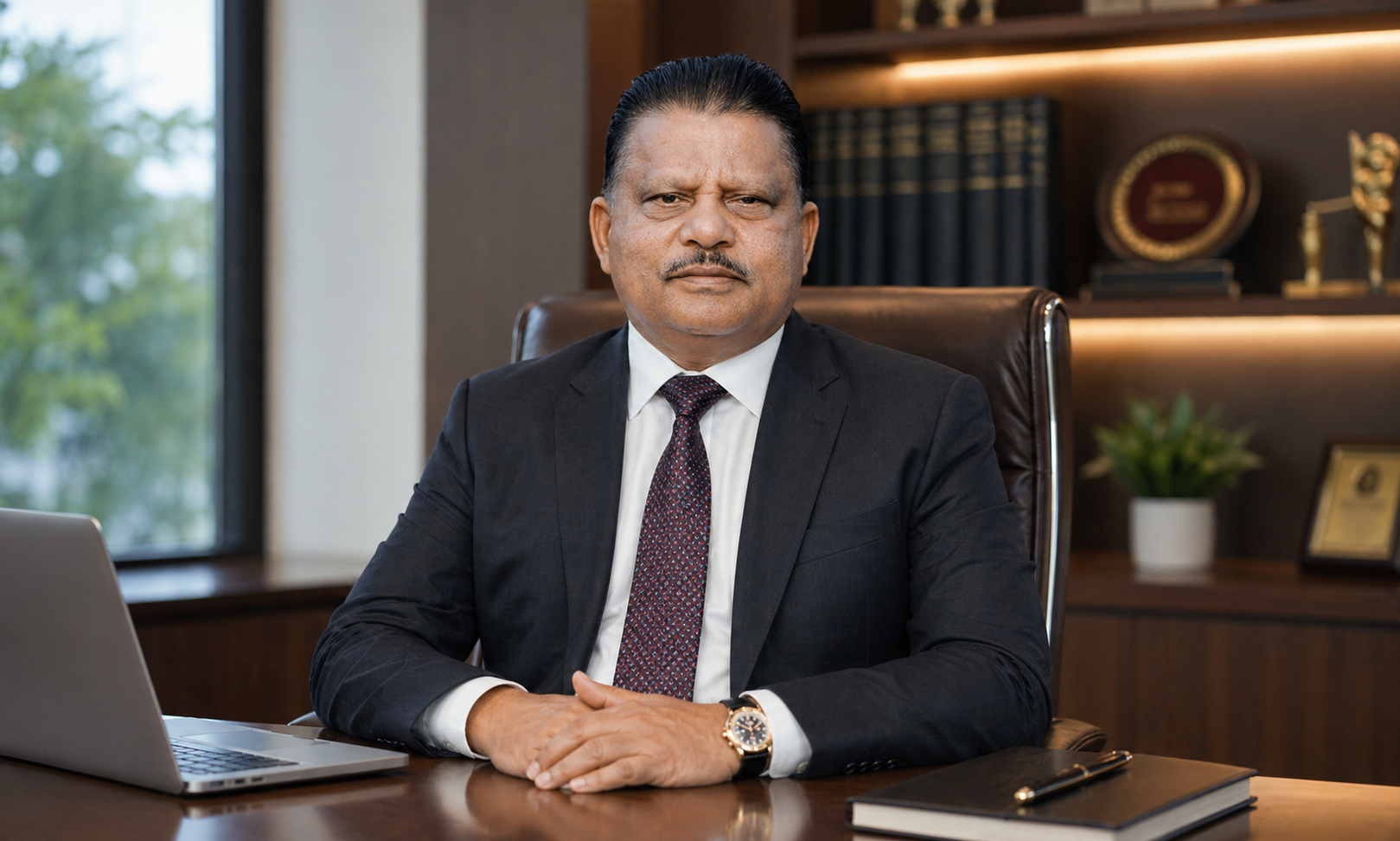
Pulikkal Veettil Abdul Wahab (born 1 July 1950) is an Indian entrepreneur, politician and philanthropist from Nilambur, Malappuram. He currently serves as a Member of Parliament from Kerala in the Rajya Sabha (the Council of States or the Upper House). He is also a non-resident Indian businessman with activities in India and the Middle East.
Wahab also serves as the Treasurer, Indian Union Muslim League and Leader, Indian Union Muslim League in Rajya Sabha. He has been elected as Member of Rajya Sabha from Kerala thrice (2004–10, 2015–21, and 2021 to the present). He is currently a member of the Parliamentary Committee on External Affairs.
Key Factors
Full Name: Pulikkal Veettil Abdul Wahab
Born: 1 July 1950
Place: Nilambur, Malappuram, Kerala
Title: Member of Parliament, Rajya Sabha
Occupation: Entrepreneur, Politician, Philanthropist
Known For: Gulf-based business leadership, IUML leadership, parliamentary roles
Roots in Nilambur
Nilambur, in Malappuram district, is often described through its forests and river systems, but its deeper story is one of migration and mobility. By the mid-20th century, the region had begun to experience the early currents of Gulf migration, a shift that would later redefine Kerala’s economy.
P. V. Abdul Wahab was born into this landscape in 1950, at a time when opportunities within the state were limited and outward movement was becoming a viable path. His early education at Government Manavedan High School and later at M.E.S College placed him within Kerala’s expanding but still uneven educational framework.
Malappuram’s socio-economic context is critical here. Historically underserved in terms of industrial development, the district relied heavily on remittances from expatriates. This dependence would later create a class of Gulf-linked entrepreneurs who maintained strong ties to their home regions.
Wahab’s early life reflects this pattern, rooted locally but oriented outward.
Building a Gulf-Linked Business Empire
Like many from Malabar, Wahab’s career trajectory took him to the Gulf, where economic opportunities in the 1970s and 80s were expanding rapidly. The rise of oil economies created demand for goods, services, and infrastructure, opening space for entrepreneurial activity.
Over time, he became associated with business networks that spanned multiple countries, including the UAE, Qatar, and Saudi Arabia. His involvement in groups such as Peevees and Bridgeway reflects a model of diaspora entrepreneurship that combines trading, real estate, and diversified investments.
Back in Kerala, his business interests have included companies like Indus Motors, Feroke Boards, and the MIMS healthcare network. These ventures illustrate how Gulf-earned capital is often reinvested into domestic sectors such as automobiles, manufacturing, and healthcare.
This pattern is central to Kerala’s economic model. Remittances are not just consumption drivers; they also fund local enterprise. Wahab’s role within this ecosystem positions him as both a beneficiary and a contributor to this cycle.
Entry into Politics and IUML Leadership
Wahab’s entry into politics was through the Indian Union Muslim League (IUML), a party with deep roots in Kerala’s Muslim community and a long-standing presence in the state’s coalition politics.
His rise within the party structure reflects both organizational engagement and the influence of diaspora-linked leadership. The IUML has historically drawn support from Gulf-based networks, not just financially but also through social and institutional connections.
Serving as Treasurer and later as a parliamentary leader, Wahab became part of the party’s central leadership. His position illustrates how business credibility can translate into political capital, particularly in a party that operates within both local and transnational frameworks.
Parliamentary Career and Policy Engagement
Wahab was first elected to the Rajya Sabha in 2004, representing Kerala. He served a term until 2010 and was re-elected in 2015, with subsequent continuation in the upper house.
As a member of Parliament, he has been associated with various committees, including those related to external affairs and industry. Parliamentary records indicate participation in discussions on economic policy, diaspora issues, and development concerns.
His positioning within Parliament reflects a broader role played by regional leaders in India’s federal system. Representing a state with a high expatriate population, his perspective often intersects with issues of migration, foreign policy, and economic development.
However, like many Rajya Sabha members, his visibility in national debates has been selective, shaped by both party priorities and parliamentary dynamics.
Philanthropy and Institutional Influence
Parallel to his business and political roles, Wahab has been involved in philanthropic initiatives. Through the Peevees Charitable Trust and other platforms, his work has focused on education, healthcare, and community development.
Institutions such as Amal College in Nilambur reflect efforts to expand educational access in Malappuram, a region where higher education infrastructure has historically lagged behind other parts of Kerala.
His involvement in healthcare initiatives, including associations with MIMS, aligns with a broader trend of Gulf-funded medical infrastructure in Kerala.
Wahab has also been linked to social initiatives addressing public health issues, including HIV awareness, though the scale and direct impact of such programs vary and are not always comprehensively documented.
Additionally, his engagement with airport development, particularly in relation to Calicut International Airport and regional advocacy bodies, highlights an interest in infrastructure that supports both economic activity and diaspora connectivity.
The Business–Politics Intersection
The intersection of business and politics in Kerala is neither new nor unique, but it takes on particular significance in the context of Gulf-linked entrepreneurs.
Wahab’s career exemplifies this intersection. Business networks provide resources and influence, while political roles offer platforms for policy engagement and community representation.
This model, however, is not without critique. Questions around the concentration of influence, the role of private capital in public decision-making, and the balance between regional and national priorities are part of ongoing debates.
Comparatively, Wahab’s trajectory aligns with other Gulf-based entrepreneurs who have entered politics, though each operates within distinct party structures and regional contexts.
Public Image and Legacy
In Kerala, particularly in the Malabar region, Wahab is recognized as a figure who bridges multiple domains, business, politics, and philanthropy. His influence is not necessarily defined by public visibility alone but by networks and institutional presence.
Within the IUML, his role contributes to the party’s continued relevance in coalition politics. Within the business community, he represents a generation that leveraged migration into enterprise.
Public perception of such figures is often shaped by local impact, educational institutions, healthcare facilities, and community initiatives provide tangible points of engagement.
At the same time, the long-term assessment of his legacy will depend on how these contributions are sustained and how they adapt to changing economic and political conditions.
A Life Across Systems
P. V. Abdul Wahab’s journey cannot be confined to a single narrative. It moves across geographies, from Nilambur to the Gulf, and across domains, from business to politics to philanthropy.
His career reflects the broader story of Kerala’s migration economy, where outward movement generates inward investment, and where diaspora networks shape local development.
As India’s political and economic landscape continues to evolve, the role of such figures will remain significant. They operate at the intersection of systems, navigating both opportunity and complexity.
In that navigation lies the essence of his contribution, not as a singular achievement, but as a sustained engagement with multiple worlds. It is this layered journey, grounded in context and shaped by experience, that makes his story, in its own measured way, outstanding.
Recognitions
2016 – Confucius Prize for Literacy, UNESCO for Jan Sikshan Sansthan
2014 – Saakshar Bharat Award for Jan Sikshan Sansthan
‘adopted’ Karulayi village near his municipality, Nilambur, under the Sansad Adarsh Gram Yojana (SAGY) project