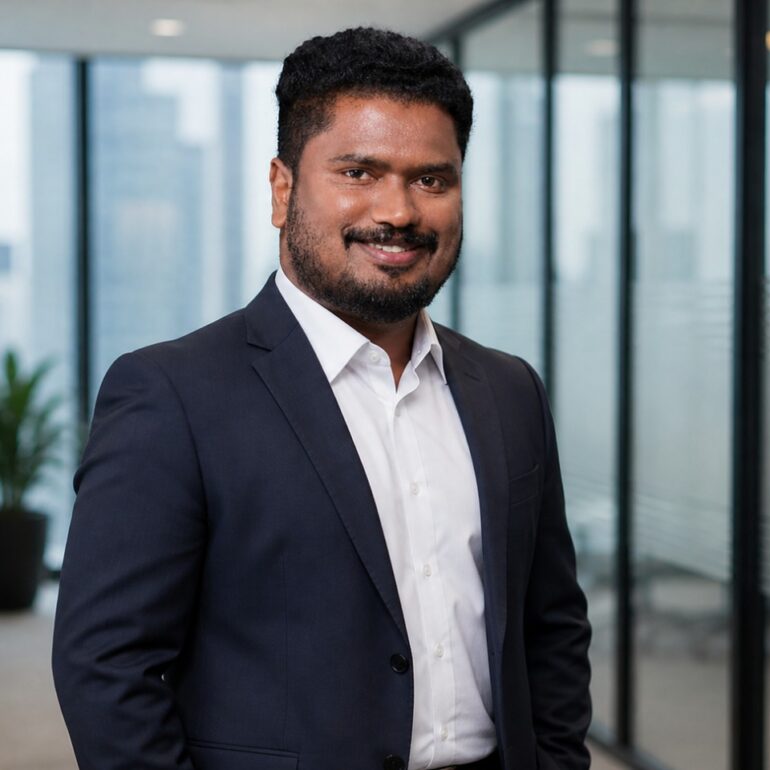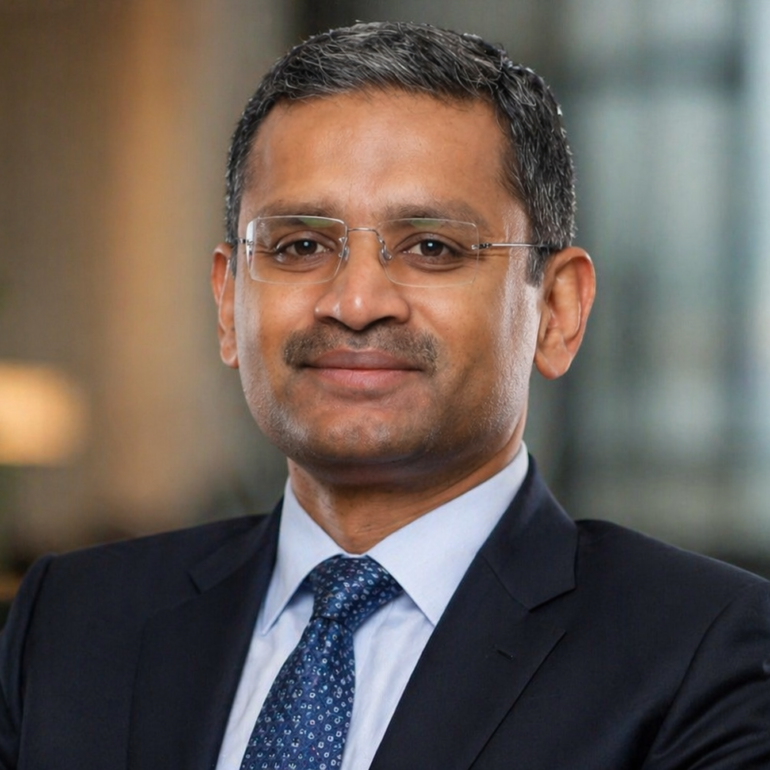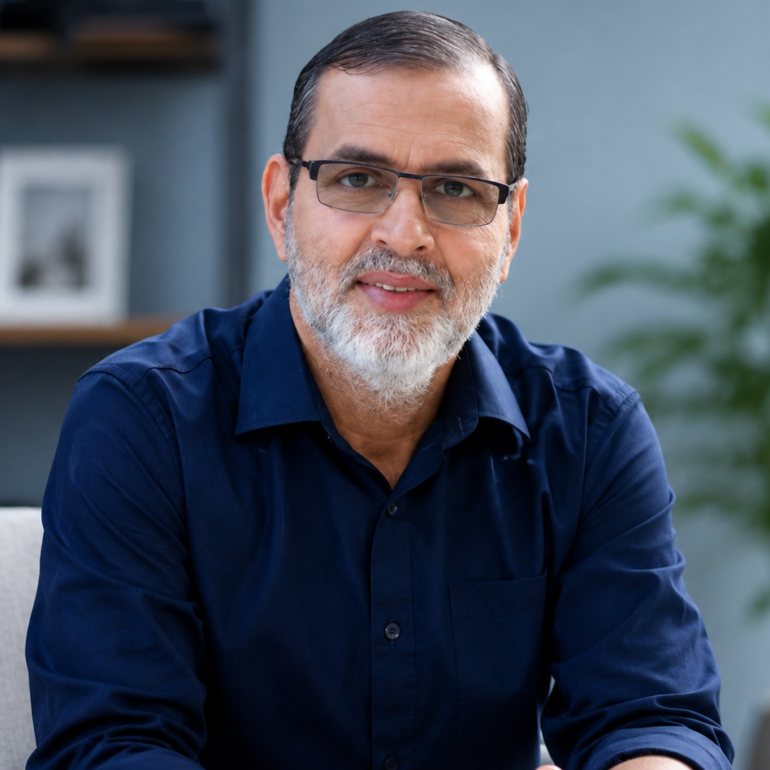
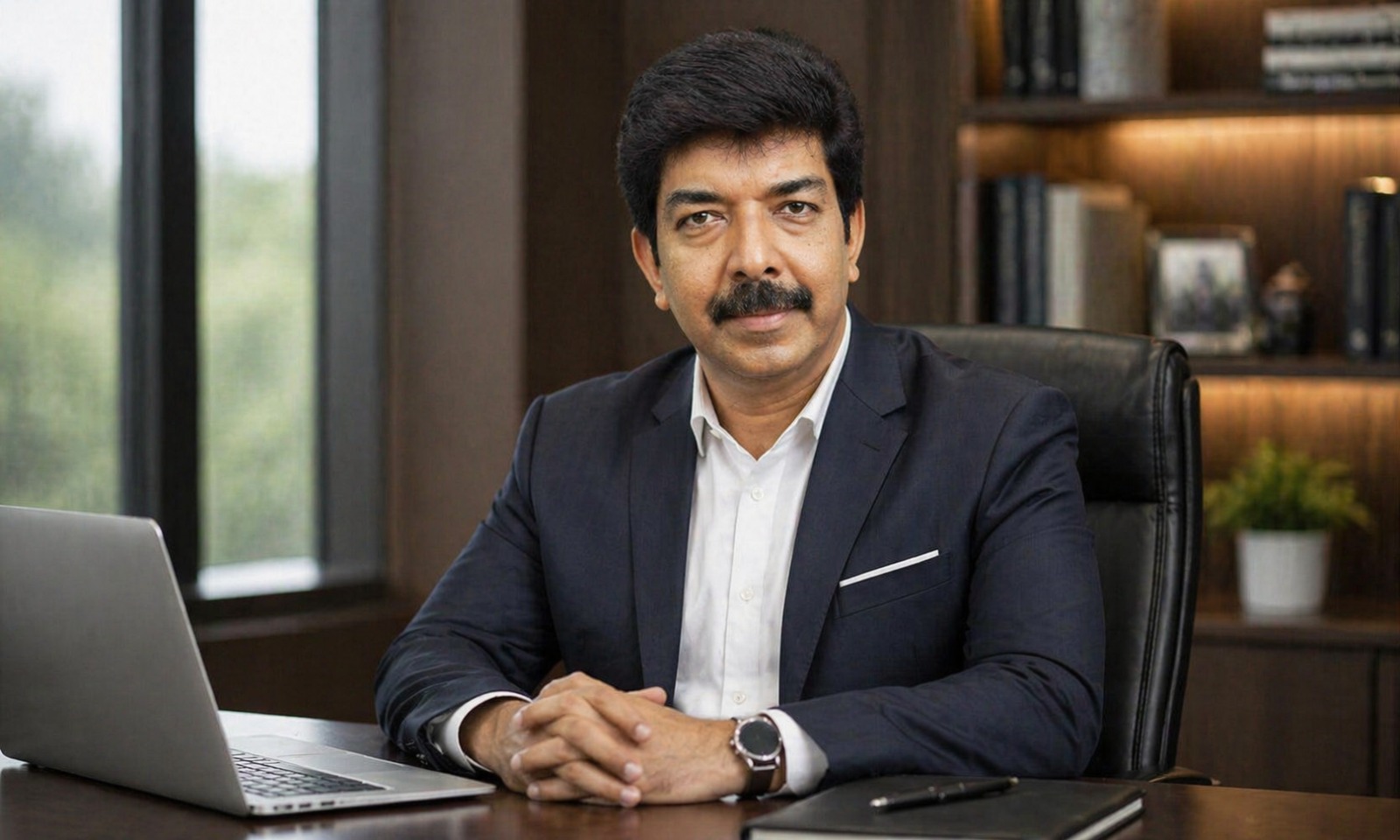
MMV Moidu
Founder and MD of Nikshan Electronics
M.M.V. Moidu is the founder and Managing Director of Nikshan Electronics in Kerala, India, a well-known retail brand established in 1996 in Kannur. As a prominent business figure, he is recognized for leading one of the region’s largest home appliance showrooms. He has led Nikshan Electronics for over 28 years. The business grew from a modest venture into a major competitor in the North Malabar electronics market, focusing on quality and customer satisfaction.
Key Facts
Place: Kannur, Kerala
Title: Founder of Nikshan Electronics
A Sale Day That Explains Everything
By mid-morning, the showroom is already full. A young couple stands in front of a refrigerator display, quietly debating price versus brand. A salesman steps in, not aggressively, but with familiarity. He knows the pattern, the hesitation, the budget ceiling, the need to stretch without breaking. Across the floor, bills are being printed in quick succession. Outside, more customers wait. This is not a luxury retail space. It is something more grounded, a place where decisions matter. At the center of this ecosystem is MMV Moidu, who built Nikshan Electronics not on spectacle, but on predictability and trust. It is an outstanding example of how small-town retail, when executed with discipline, can scale without losing its core.
Learning the Grammar of Trade
Kerala’s retail economy has long been shaped by small traders who operate close to their customers, often within walking distance, often across generations. Moidu’s entry into this world did not begin with capital or scale. It began with exposure.
While detailed public documentation on his early life remains limited, accounts from regional coverage suggest a familiar trajectory. Early involvement in trade, learning through observation rather than formal management systems, and understanding that survival in retail depends less on margin and more on movement.
The Kerala of that period, particularly outside major cities, was a market in transition. Consumer aspiration was rising, driven by Gulf remittances and increasing access to global products. But organised retail had not yet fully taken hold.
This gap, between aspiration and access, would become the foundation of Moidu’s business instinct.
The Founding of Nikshan: A Store for the Middle Class
Nikshan Electronics did not begin as a large-format retail ambition. It started as a practical response to demand.
Consumer electronics, televisions, refrigerators, washing machines, were no longer aspirational luxuries. They were becoming necessities for middle-class households. Yet access remained uneven, and pricing lacked transparency.
Nikshan positioned itself deliberately within this space. Not premium. Not discount-driven chaos. But accessible.
The early business model appears to have revolved around three core ideas. Competitive pricing that did not alienate customers. Availability of reliable brands. And a service approach that prioritised repeat visits over one-time transactions.
This was not a disruptive model in the startup sense. It was a disciplined execution of fundamentals.
And in Kerala’s retail landscape, that distinction matters.
Building Trust in a Crowded Market
If there is a single variable that defines Nikshan’s growth, it is trust.
Electronics retail is inherently complex. Products are high-value, technically differentiated, and often confusing for first-time buyers. Customers rely heavily on the retailer’s guidance.
This creates both an opportunity and a risk. A retailer can push higher-margin products and maximise short-term gains. Or it can build credibility by aligning recommendations with customer needs.
Moidu appears to have chosen the latter. Word-of-mouth became a key growth driver. In smaller towns and cities, reputation travels faster than advertising. A satisfied customer brings another. A dissatisfied one can close multiple doors.
Pricing also played a role. Kerala’s consumers are known for price sensitivity combined with brand awareness. Nikshan’s strategy seems to have balanced both, offering competitive pricing without compromising on product authenticity.
Over time, this consistency translated into loyalty.
Expansion and Brand Evolution
Growth in regional retail rarely follows a linear path.
For Nikshan, expansion appears to have been incremental rather than aggressive. Additional showrooms, increased product categories, and partnerships with major consumer electronics brands.
As India’s electronics market evolved, particularly with the rise of smartphones and digital appliances, Nikshan adapted.
The product mix expanded. The store format likely evolved from compact spaces to larger, more organised showrooms. Vendor relationships became more structured, enabling better pricing and inventory access.
Yet the brand retained its core positioning. It did not attempt to reposition itself as a premium lifestyle retailer. Instead, it deepened its identity as a dependable, middle-market electronics provider.
This clarity of positioning is often overlooked but critical.
Practical, Grounded, Relational
Moidu’s leadership style, based on available insights and business patterns, reflects a hands-on, operational approach.
He belongs to a generation of entrepreneurs who built businesses without the vocabulary of venture capital or scaling frameworks. Decisions are often intuitive, shaped by market exposure rather than formal models.
Risk-taking exists, but it is calibrated. Expansion is likely tied to cash flow realities rather than speculative growth. Hiring tends to prioritise reliability over aggressive restructuring. Customer relationships remain central, even as scale increases.
This approach has strengths. It creates stability. It reduces overextension. It builds resilience.
But it also has limitations. In an era where organised retail chains and e-commerce platforms operate at scale, traditional models can face structural disadvantages.
The Pressure of Modern Retail
The biggest shift in electronics retail over the past decade has been digital.
E-commerce platforms have redefined pricing transparency. Large national chains have standardised store experiences. Supply chains have become more efficient.
For regional players like Nikshan, this creates multiple pressures. Pricing becomes harder to control. Customers arrive informed, often comparing online rates in real time. Margins shrink.
Inventory management becomes critical. Unsold stock can quickly become obsolete in a category driven by rapid technological change.
There is also a perception challenge. Younger consumers increasingly associate value with scale and brand visibility, areas where national players have an advantage.
The question for Nikshan is not just survival, but adaptation.
Cultural and Economic Impact: Retail as Access
Despite these pressures, Nikshan’s role in Kerala’s local economy remains significant. Regional retailers do more than sell products. They act as access points.
For many households, especially outside major urban centres, these stores are the first interface with new technology. A refrigerator, a television, a washing machine, these are not just purchases. They are markers of lifestyle change.
By maintaining affordability and accessibility, Nikshan has contributed to this transition. Employment generation is another dimension.
Retail chains create jobs across sales, logistics, and service functions. In smaller cities, these opportunities carry disproportionate impact.
The Man Behind the Brand
Moidu’s public image is not built on visibility.
He is not a media-driven entrepreneur. His presence is felt more through operations than appearances. Among customers, the brand often substitutes for the individual. Among employees and local networks, he is perceived as disciplined, consistent, and grounded.
There is a certain predictability to this profile. It reflects a generation of business leaders who prioritised continuity over disruption, relationships over branding, and execution over narrative.
Between Continuity and Change
The future of Nikshan Electronics will likely be defined by its ability to balance two forces.
Continuity, the trust-based, relationship-driven model that built the brand. And change, the need to integrate digital tools, optimise supply chains, and compete with larger players.
Hybrid models, combining offline presence with online engagement, may become essential. Partnerships with brands and financial institutions could redefine sales strategies. Experience, not just pricing, will matter more.
For Moidu, the challenge is strategic rather than operational. The fundamentals of his business remain strong. But the environment has changed.
Whether Nikshan evolves into a larger regional chain or consolidates as a strong local player will depend on how this transition is managed.
The Value of Staying Grounded
MMV Moidu’s story does not fit the narrative of disruption-driven entrepreneurship.
It is quieter, slower, and arguably more durable. He built a business by understanding his market deeply, serving it consistently, and resisting the temptation to overreach.
In an era that often celebrates scale over substance, Nikshan stands as a reminder that retail, at its core, is about trust. And that trust, once earned, can sustain a business longer than any pricing strategy or marketing campaign.
That is what makes his journey not just relevant, but outstanding.