Restaurant Chef Pillai
Kerala Cuisine Meets Contemporary Spectacle
Restaurant Chef Pillai in Kochi presents Kerala cuisine in a contemporary format, combining traditional flavours with modern presentation and dining concepts. Led by Chef Suresh Pillai, the restaurant is known for signature dishes such as Meen Pollichathu, Alleppey Fish Curry, Kuttanadan Duck Curry, Karimeen, and Kerala-style biryani, offering diners a refined take on the state’s culinary heritage.
Contact: 08943850000
Location: https://maps.app.goo.gl/6hVKvhaTNNB3opbf8
website: http://www.chefpillai.com/
Inside Restaurant Chef Pillai, the atmosphere rarely stays still for long. Servers move quickly between crowded tables carrying smoking clay pots, elegantly plated seafood, and dramatic presentations designed as much for anticipation as flavour. The lighting glows warmly against polished interiors while diners lean forward instinctively the moment a dish arrives. Phones emerge almost immediately. Conversations pause. Cameras click. Somewhere beyond the visible dining floor, kitchens move with relentless rhythm under intense pressure to maintain precision at scale.
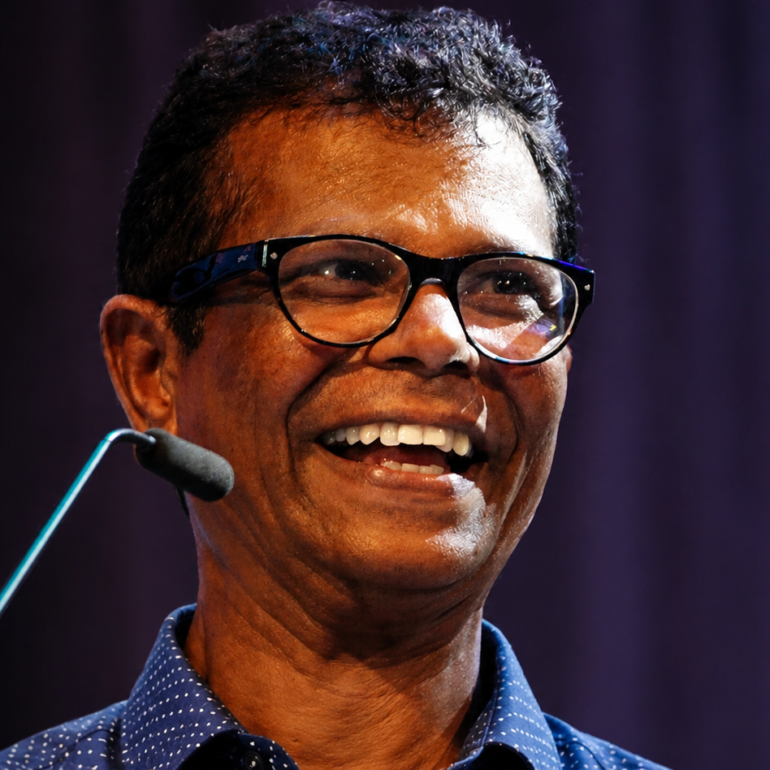
At the centre of this carefully orchestrated energy stands Chef Pillai, one of Kerala’s most recognizable culinary personalities and among the defining figures of the state’s evolving premium dining culture. Over the past several years, Chef Pillai transformed himself from a professional chef shaped by hotel kitchens and international culinary exposure into a widely recognized hospitality brand associated with modern Kerala cuisine, celebrity dining culture, and ambitious restaurant entrepreneurship.
Yet the rise of Restaurant Chef Pillai reflects something larger than personal success alone. It signals Kerala’s growing confidence in presenting its cuisine not merely as regional comfort food, but as sophisticated contemporary gastronomy capable of occupying premium dining spaces without abandoning its cultural roots. That tension between tradition and reinvention sits at the heart of Chef Pillai’s identity, and of the restaurant that now carries his name.
The Chef Behind the Name
Before the restaurant became a social media phenomenon or a recognizable dining brand, Chef Pillai’s culinary journey followed a path familiar to many Indian hospitality professionals, long hours, hotel kitchens, operational discipline, and gradual professional ascent through intensely demanding environments.
Born and raised in Kerala, Chef Pillai developed his culinary identity through both local food memory and formal hospitality experience. Over the years, he worked across various premium kitchens, including luxury hospitality spaces in India and abroad, experiences that shaped both his technical discipline and his understanding of contemporary restaurant culture.
What distinguished him early was not merely cooking ability, but presentation instinct.
Chef Pillai understood that modern dining increasingly operates through experience rather than food alone. Guests no longer seek only flavour. They seek atmosphere, visual theatre, emotional connection, storytelling, and identity. This understanding would eventually become central to the success of Restaurant Chef Pillai in Kochi.
Public interviews and media appearances often portray him as energetic, ambitious, and intensely hands-on, a chef equally comfortable discussing Kerala ingredients, kitchen systems, branding strategy, and customer psychology. Unlike chefs who remain hidden behind culinary mystique, Chef Pillai emerged as a visible personality within the restaurant itself, part entrepreneur, part culinary performer, part hospitality strategist.
That visibility helped transform him into a recognizable public figure far beyond traditional fine dining audiences.
Where Kerala Cuisine Meets Contemporary Spectacle
The first thing many diners notice at Restaurant Chef Pillai is movement.
The dining room operates almost like performance space. Dishes arrive dramatically. Smoke rises from serving vessels. Plating appears carefully choreographed for visual impact. Staff interactions feel highly synchronized. Even waiting areas often pulse with anticipation as customers observe dishes travelling toward nearby tables.
Yet beneath the spectacle lies something culturally important.
Chef Pillai’s cuisine remains deeply rooted in Kerala flavour structures even when presented through modern techniques or luxury aesthetics. Coconut, curry leaves, black pepper, shallots, tamarind, seafood, and Malabar spice profiles continue forming the emotional backbone of the menu.
This balance between familiarity and reinvention explains much of the restaurant’s appeal.
Kerala diners recognize the flavours instinctively, but encounter them in forms associated more commonly with premium global dining culture. Traditional ingredients appear with contemporary plating. Local seafood receives fine-dining presentation. Comfort dishes become elevated without entirely losing recognizability.
For many younger urban diners in Kochi, this represents an important cultural shift.
Restaurants like Chef Pillai demonstrate that Kerala cuisine can occupy aspirational modern spaces without needing validation through imitation of North Indian, European, or pan-Asian luxury dining templates.
Kochi and the Rise of Premium Dining
The success of Restaurant Chef Pillai cannot be separated from Kochi’s transformation over the last decade.
Historically, Kerala’s restaurant culture leaned heavily toward functional dining. Food mattered enormously, but ambience, presentation, and curated hospitality experiences often remained secondary. Families chose restaurants primarily for flavour consistency and reliability rather than experiential sophistication.
Kochi changed that equation gradually.
Economic growth, Gulf migration wealth, tourism expansion, luxury hospitality investment, social media culture, and a growing urban middle class reshaped dining expectations significantly. Restaurants increasingly became social destinations rather than merely eating spaces. Diners wanted aesthetics alongside flavour. Presentation became part of consumption itself.
Chef Pillai emerged precisely within this transition.
His restaurant occupies a space between luxury hospitality and culturally rooted dining. Unlike international fine dining spaces disconnected from local identity, Restaurant Chef Pillai remains unmistakably Malayali in emotional texture. The conversations, flavours, crowd behaviour, and celebratory atmosphere feel deeply connected to contemporary urban Kerala.
At the same time, the restaurant clearly understands the language of premium hospitality, lighting design, curated plating, social media visibility, service choreography, and celebrity positioning.
This duality became central to its popularity.
The Signature Dishes
Much of Restaurant Chef Pillai’s public identity revolves around signature dishes designed to create both sensory pleasure and visual memory.
Seafood occupies a particularly important role within the menu. Kerala’s coastal traditions appear repeatedly through prawns, fish preparations, crab dishes, and shellfish reinterpretations layered with modern presentation techniques. Rich gravies arrive inside dramatic serving vessels while smoke and aroma intensify anticipation before tasting even begins.
The restaurant’s famous biryanis and meat dishes similarly blend familiarity with performance. Slow-cooked meats retain traditional spice structures but appear in more refined forms. Textures are controlled carefully. Portioning reflects premium dining sensibilities while still maintaining emotional generosity expected within Kerala hospitality culture.
Certain dishes became especially popular online because of presentation theatrics. Flaming preparations, smoke-filled serving moments, and visually elaborate plating turned the restaurant into highly photographable dining territory.
Yet despite occasional criticism from culinary purists who argue that spectacle can overshadow subtlety, the restaurant’s enduring popularity suggests that diners respond to more than visual gimmickry alone.
Many customers return because the flavours remain accessible and emotionally recognizable beneath the presentation.
This matters greatly in Kerala.
Food trends may attract first visits, but sustained loyalty still depends heavily on taste memory and consistency.
Celebrity Culture and Public Visibility
Part of Chef Pillai’s rapid rise also emerged through visibility.
Social media transformed the restaurant into a highly circulated cultural space. Celebrity visits, influencer content, food vlogs, and online restaurant culture amplified public curiosity significantly. Actors, business figures, tourists, and public personalities dining at the restaurant became part of its expanding narrative.
Importantly, Chef Pillai himself adapted naturally to this visibility.
Unlike older generations of chefs who often remained anonymous behind kitchens, he embraced public identity openly. Television appearances, interviews, digital engagement, and public interactions turned him into a recognizable face associated with aspirational Kerala dining.
This celebrity positioning created advantages and pressures simultaneously.
On one hand, visibility accelerated business growth and brand recognition. On the other, public expectations became extraordinarily high. Every new outlet, dish, collaboration, or customer experience now faces intense scrutiny across online platforms.
In contemporary hospitality culture, reputation operates in real time.
Restaurants no longer exist only physically. They exist continuously through digital perception.
Chef Pillai appears acutely aware of this reality.
The Pressure Behind the Brand
Scaling a restaurant brand around a chef’s personal identity creates unique operational challenges.
Consistency becomes difficult when customers expect not merely food, but an extension of the chef’s public persona itself. Every outlet carrying the Chef Pillai name must reproduce both culinary quality and emotional atmosphere convincingly.
This pressure intensifies particularly within Kerala’s food culture, where diners are exceptionally opinionated about authenticity, flavour precision, and value.
Restaurant businesses also operate within notoriously difficult margins. Staffing, ingredient sourcing, customer turnover, quality control, and maintaining service standards across expansion phases require relentless operational discipline.
For celebrity chefs, these pressures become even more visible.
A single disappointing experience can circulate online instantly. Public perception fluctuates rapidly. Restaurants must therefore constantly balance innovation, branding, customer expectations, and culinary integrity.
Restaurant Chef Pillai exists directly within this high-pressure environment.
Its continued relevance depends not only on popularity, but on sustaining credibility beyond social media excitement.
The Emotional Appeal of Reinvented Nostalgia
Perhaps the most interesting aspect of Restaurant Chef Pillai is the emotional psychology behind its popularity.
The restaurant succeeds partly because it modernizes nostalgia without severing emotional connection to Kerala food memory. Diners encounter familiar ingredients and flavours within elevated hospitality settings that feel contemporary and aspirational.
This formula resonates strongly with younger Malayali professionals and Gulf-return families who grew up with traditional Kerala food but increasingly seek global-style dining experiences.
Chef Pillai understands this cultural transition exceptionally well.
The restaurant therefore becomes more than a place to eat. It becomes a symbol of how Kerala itself is evolving, more globally visible, more design-conscious, more hospitality-driven, yet still emotionally anchored in regional identity.
That balance explains why the brand generated such strong public attention.
Conclusion
Late into the evening, as the dining halls inside Restaurant Chef Pillai continue filling with families, tourists, professionals, and curious first-time diners, the restaurant begins to feel less like an individual business and more like a reflection of contemporary Kerala itself. Conversations rise above the sound of busy kitchens. Seafood aromas drift across polished interiors. Dishes arrive carrying equal measures of nostalgia and performance. Somewhere between traditional spice memory and modern presentation, Chef Pillai’s larger vision becomes visible.
What Chef Pillai ultimately represents is not simply celebrity dining culture or social media success, but a broader transformation within Kerala hospitality. He helped demonstrate that regional cuisine could become ambitious, visually confident, commercially scalable, and culturally aspirational without abandoning its Malayali emotional core. In Kochi’s rapidly evolving restaurant landscape, that achievement carries genuine significance. Whether admired for culinary reinvention, entrepreneurial ambition, or his instinctive understanding of modern dining psychology, Chef Pillai remains one of the most visible architects of Kerala’s new food identity, an outstanding intersection of tradition, personality, and contemporary hospitality culture.