Pazhassi Raja Archaeological Museum, Kozhikode
Preserving the Legacy of North Kerala
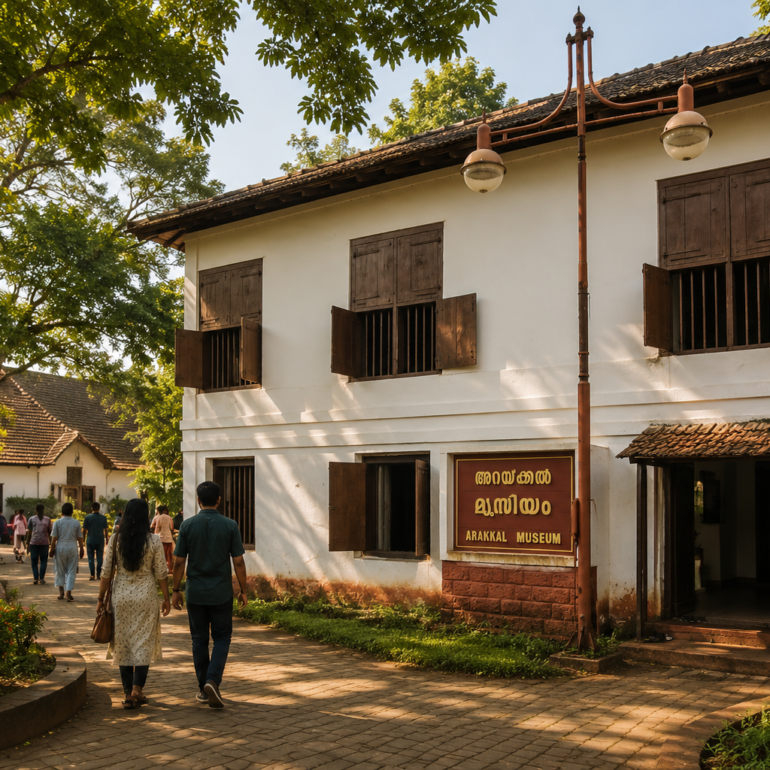
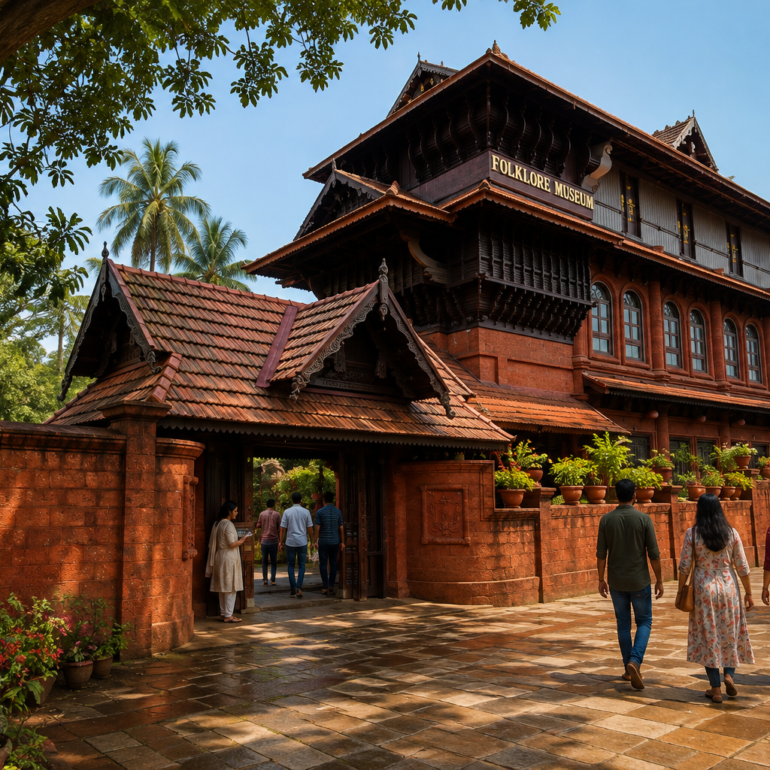
Pazhassi Raja Archaeological Museum is one of the Top 10 Museums in Kerala. Located at East Hill, Kozhikode, it showcases the archaeological and historical heritage of North Kerala. Visitors can explore megalithic artefacts, stone sculptures, hero stones, ancient coins, bronze objects, pottery and inscriptions. It is an important destination for students, history enthusiasts and tourists interested in Kerala’s past.
Key Facts
Established: 1976
Location: East Hill, Kozhikode, Kerala
Type: Archaeological Museum
Known For: Archaeological Collections & North Kerala History
Highlights: Megalithic Artefacts, Stone Sculptures, Ancient Coins, Hero Stones
Managed By: Department of Archaeology, Government of Kerala
Recognition: One of North Kerala’s leading archaeological museums
A Window into Kerala’s Ancient History
The museum’s galleries showcase an extensive collection of archaeological discoveries that reveal the cultural and historical evolution of North Kerala. From prehistoric tools to medieval sculptures, every exhibit tells the story of communities that lived, traded, worshipped, and flourished in the region over thousands of years.
Among the museum’s most valuable collections are megalithic burial relics, stone sculptures, hero stones, bronze artefacts, pottery, inscriptions, and ancient coins. These discoveries provide important evidence about early settlements, religious practices, and artistic traditions that shaped Kerala’s history.
The museum also displays artefacts recovered from archaeological excavations across northern Kerala. These include temple sculptures, ceremonial objects, ancient weapons, and historical relics that illustrate the region’s rich cultural diversity and craftsmanship. Informative exhibits help visitors understand how archaeologists uncover and preserve these important pieces of history.
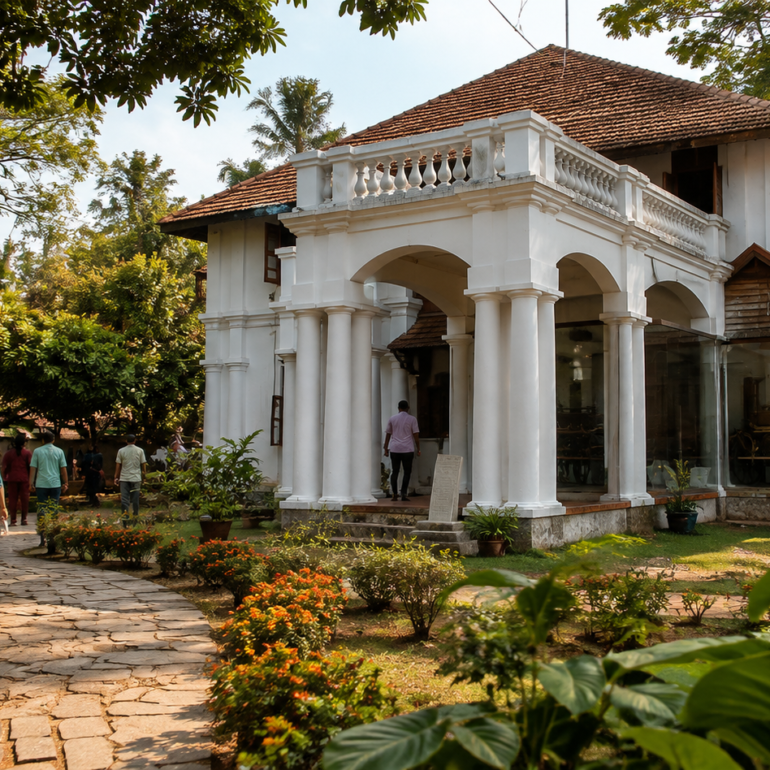
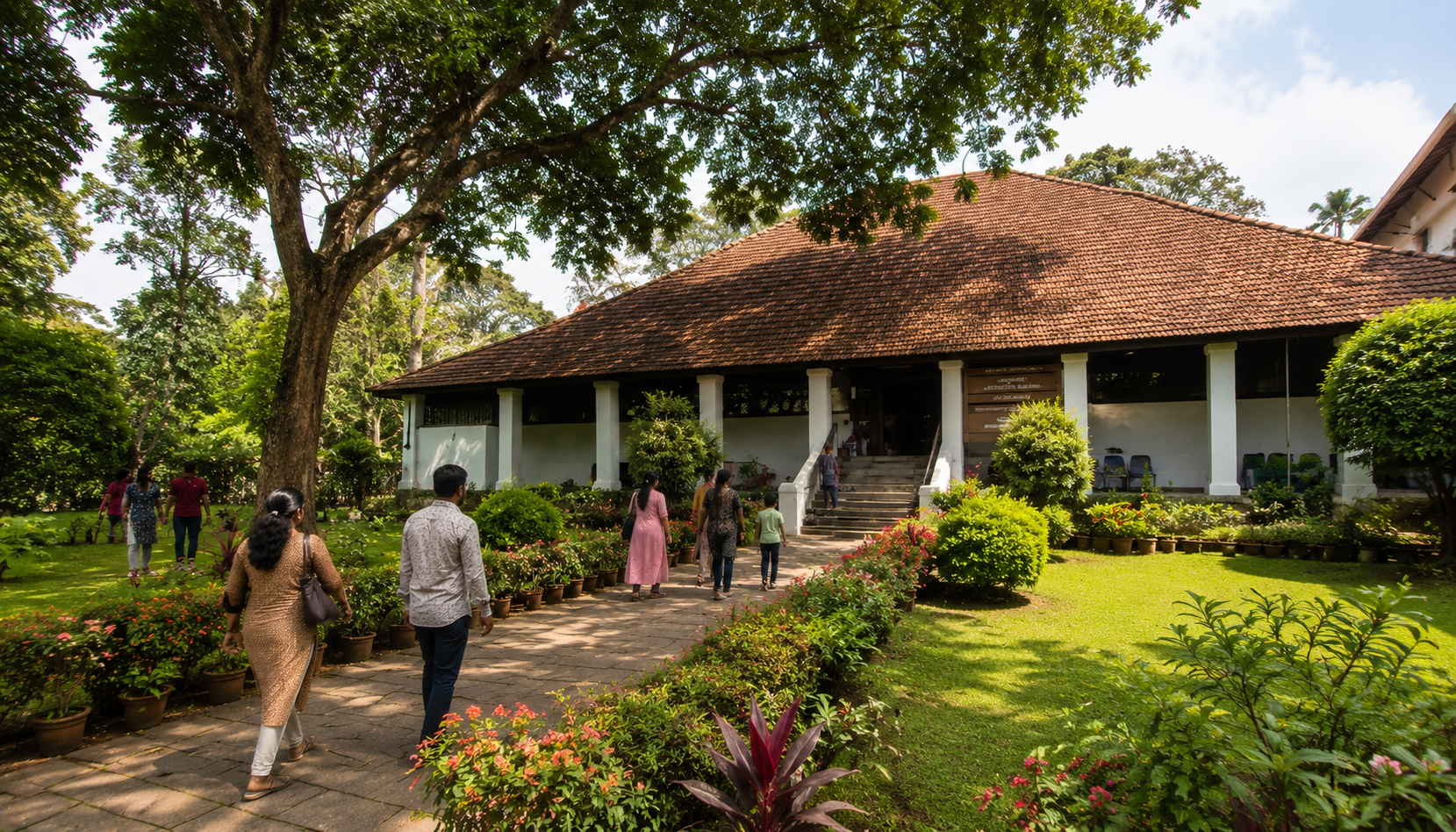
The peaceful surroundings of the museum make it an ideal place for visitors to explore Kerala’s heritage at a relaxed pace. Whether you are interested in archaeology, history, or traditional art, the museum offers an educational experience that brings the past to life.
Must-See Highlights
- Megalithic Artefacts
- Stone Sculptures
- Hero Stones
- Ancient Coins
- Bronze Artefacts
- Pottery Collections
- Temple Inscriptions
- Archaeological Excavation Displays
- Historic Weapons
- Cultural Heritage Galleries
What Makes It Special
The Pazhassi Raja Archaeological Museum is unique because it focuses on the archaeological heritage of North Kerala, preserving artefacts that might otherwise have been lost over time. Its collections offer valuable insights into the region’s ancient civilisations, artistic traditions, and historical development.
The museum also honours the memory of Pazhassi Raja, one of Kerala’s most respected historical figures, creating a meaningful connection between archaeological heritage and the state’s broader historical legacy.
Interesting Facts
The museum is named after Kerala Varma Pazhassi Raja, who is remembered for his resistance against British rule in the late eighteenth and early nineteenth centuries. Although the museum primarily focuses on archaeology, its name reflects the enduring importance of one of Kerala’s greatest historical heroes.
Its collections include artefacts recovered from several archaeological sites across northern Kerala, representing prehistoric, early historic, and medieval periods. Over the years, the museum has become an important centre for preserving and studying the region’s archaeological heritage.
How to Reach
The museum is located at East Hill in Kozhikode and is easily accessible by road.
Nearest Railway Station: Kozhikode Railway Station
Nearest Airport: Calicut International Airport
Regular buses, taxis, and auto-rickshaws connect the museum with Kozhikode city and nearby areas.
Conclusion
The Pazhassi Raja Archaeological Museum offers a fascinating journey through the ancient history of North Kerala. Its carefully preserved collections of archaeological treasures, sculptures, inscriptions, and historical artefacts provide a deeper understanding of the region’s cultural and artistic evolution. For anyone interested in Kerala’s past, the museum remains an enriching destination that celebrates centuries of history and heritage.