Krishnapuram Palace Museum, Alappuzha
A Royal Palace Preserving Kerala’s Artistic Legacy
Krishnapuram Palace Museum is one of the Top 10 Museums in Kerala. Located near Kayamkulam in Alappuzha, it showcases Kerala’s royal history, traditional architecture, murals and archaeological heritage. Visitors can see the famous Gajendra Moksham mural, bronze sculptures, ancient coins, weapons, stone carvings and royal artefacts. The palace setting and heritage gardens make it a popular destination for history and art enthusiasts.
Key Facts
Built: 18th Century
Location: Kayamkulam, Alappuzha, Kerala
Type: Palace Museum
Known For: Kerala Murals, Royal Artefacts & Traditional Architecture
Highlights: Gajendra Moksham Mural, Palace Interiors, Bronze Sculptures, Ancient Coins
Managed By: Department of Archaeology, Government of Kerala
Recognition: Home to one of Kerala’s largest mural paintings
A Glimpse into Kerala’s Royal Past
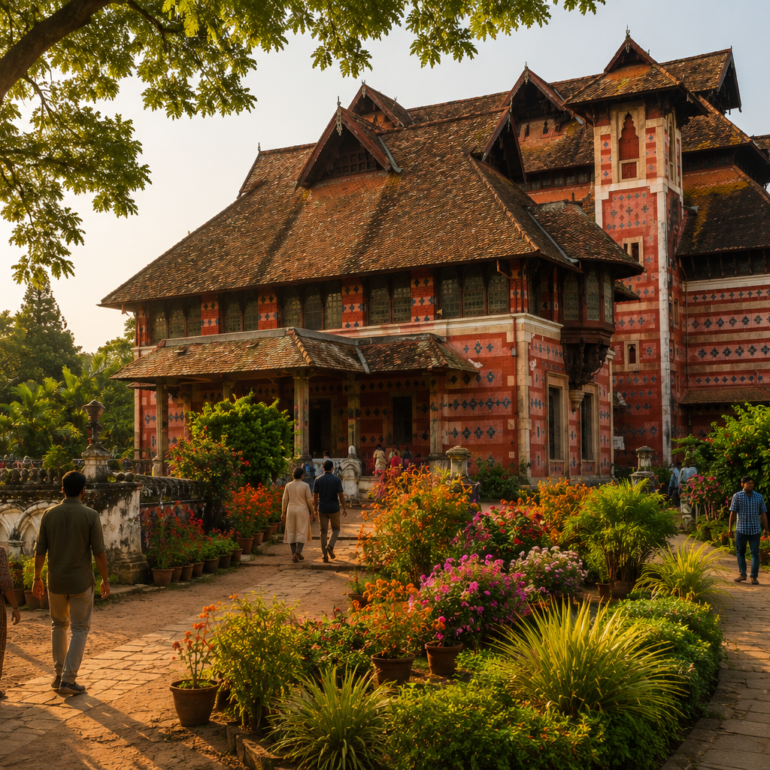
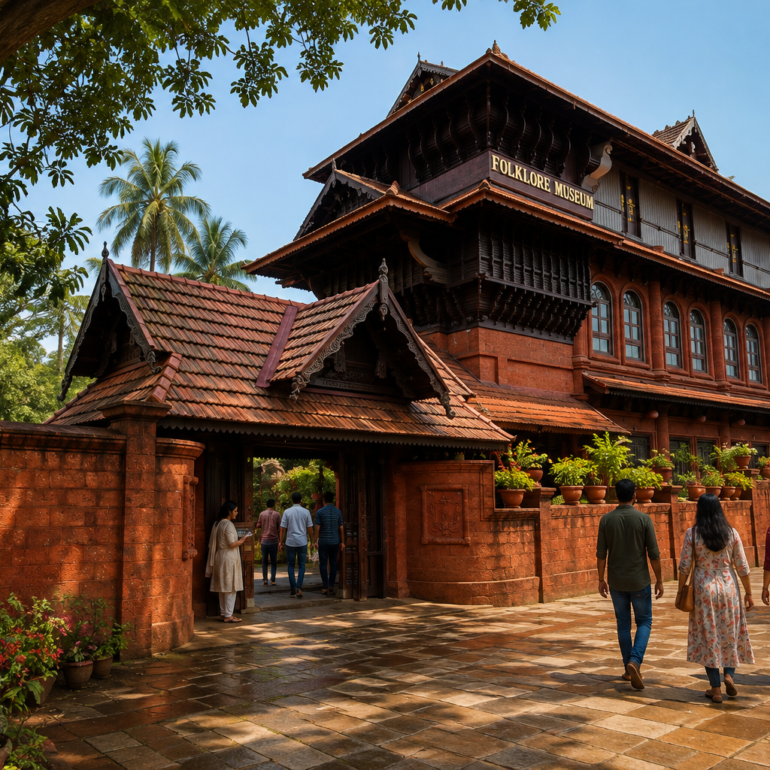
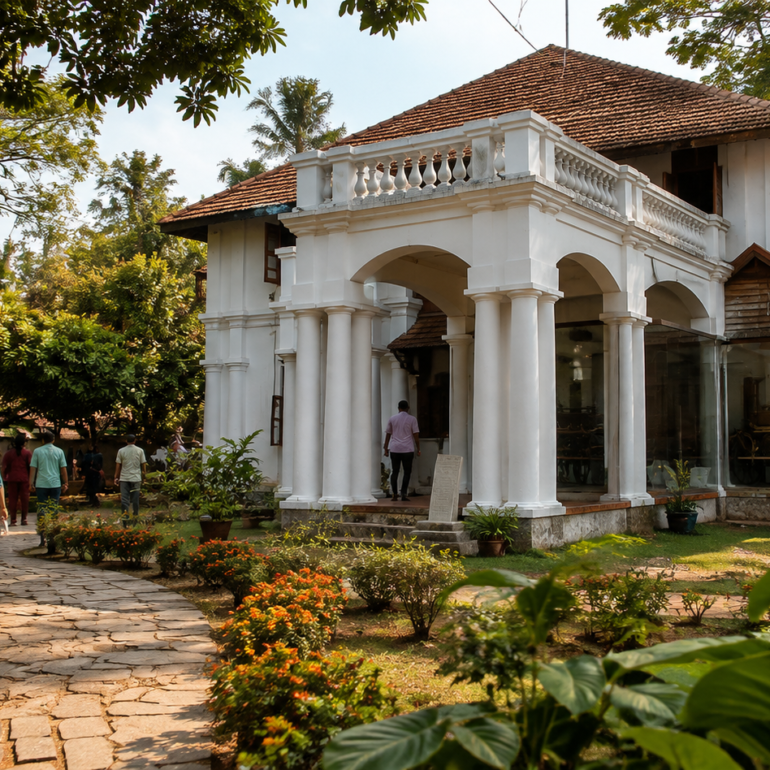
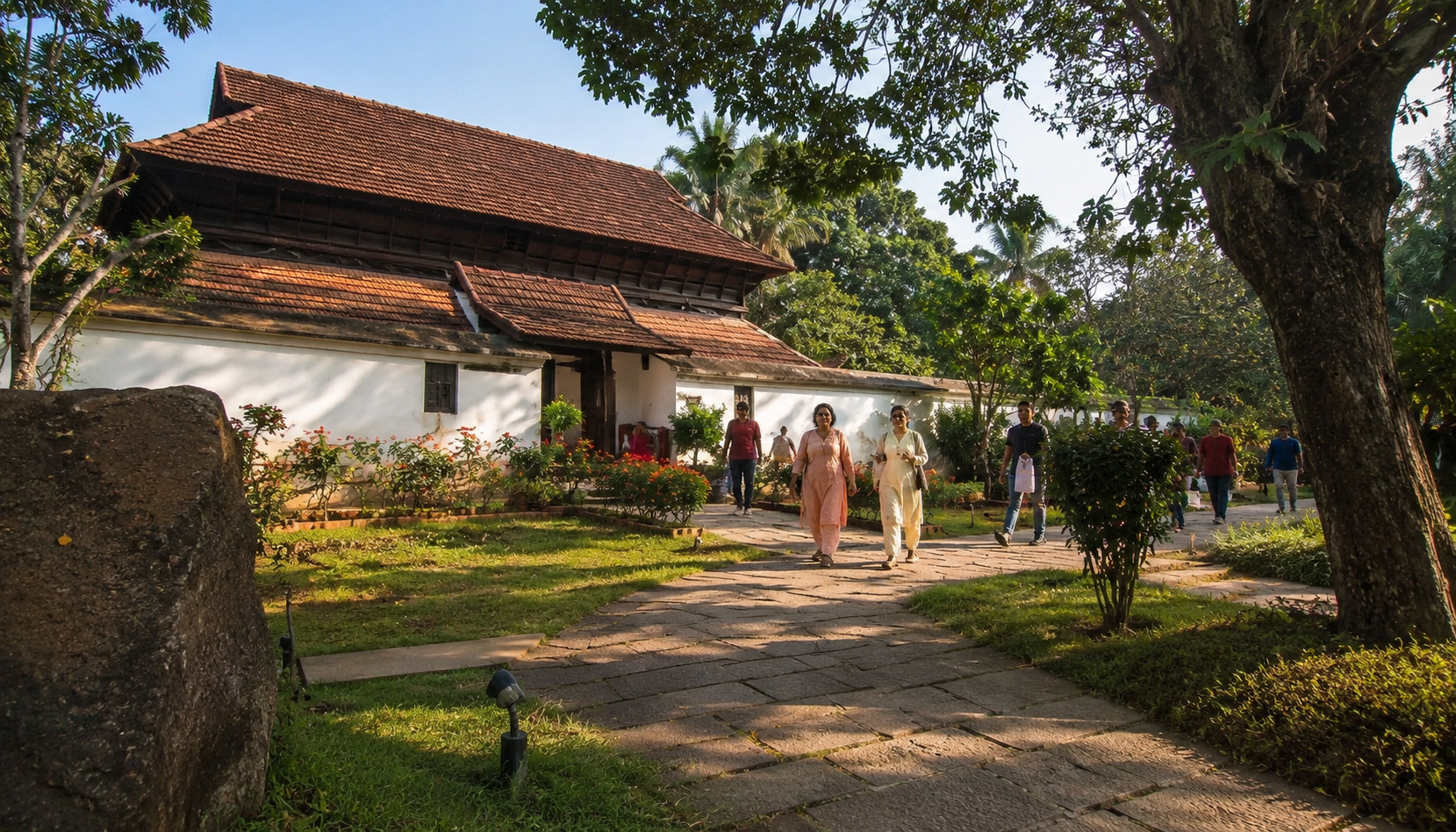
Built in the classic Kerala architectural style, the palace features sloping tiled roofs, wooden ceilings, spacious courtyards, and beautifully designed halls that reflect the elegance of Travancore craftsmanship. Every part of the building showcases the simplicity and sophistication that characterised Kerala’s traditional palaces.
Inside the museum, visitors can explore an impressive collection of historical artefacts, including bronze sculptures, ancient coins, weapons, paintings, stone carvings, manuscripts, and ceremonial objects. These collections provide valuable insights into the royal lifestyle, artistic traditions, and cultural history of the region.
The museum’s greatest attraction is the magnificent Gajendra Moksham mural, considered one of the largest and finest mural paintings in Kerala. Painted using natural pigments, the mural depicts the famous story from Hindu mythology with extraordinary detail and vibrant colours. It is widely regarded as one of the masterpieces of traditional Kerala mural art.
The palace is surrounded by beautifully landscaped gardens that add to its peaceful atmosphere. Visitors often spend time exploring the grounds while enjoying the serene environment that perfectly complements the historic charm of the palace.
Must-See Highlights
- Gajendra Moksham Mural
- Traditional Kerala Palace Architecture
- Bronze Sculptures
- Ancient Coins
- Royal Artefacts
- Historic Weapons Collection
- Stone Carvings
- Palace Courtyards
- Heritage Gardens
- Archaeological Galleries
What Makes It Special
Krishnapuram Palace Museum is best known for preserving one of Kerala’s greatest mural paintings while offering visitors an authentic royal palace experience. Unlike many museums housed in modern buildings, this museum allows visitors to explore historical collections within an original palace setting.
Its combination of architecture, art, archaeology, and peaceful surroundings creates an experience that appeals to history lovers, art enthusiasts, photographers, and travellers alike.
Interesting Facts
The palace was built during the 18th century under the Travancore Kingdom and later became an important centre for preserving historical artefacts from the region. Its famous Gajendra Moksham mural stretches across a large section of the palace wall and is regarded as one of the finest surviving examples of Kerala mural painting.
Today, the museum houses numerous archaeological collections that represent different periods of Kerala’s history, making it one of the state’s most significant heritage museums.
How to Reach
The palace is located near Kayamkulam in Alappuzha district and is easily accessible by road.
Nearest Railway Station: Kayamkulam Junction Railway Station
Nearest Airport: Trivandrum International Airport
Regular buses, taxis, and auto-rickshaws connect the museum with Kayamkulam, Alappuzha, and nearby towns.
Conclusion
The Krishnapuram Palace Museum beautifully combines royal history, traditional architecture, and artistic excellence in one remarkable destination. From its magnificent mural paintings and archaeological collections to its elegant palace interiors and tranquil gardens, every corner reflects Kerala’s rich cultural heritage. It remains one of the finest places to experience the grandeur and artistic legacy of the Travancore era.