H. S. Prannoy
Indian badminton player
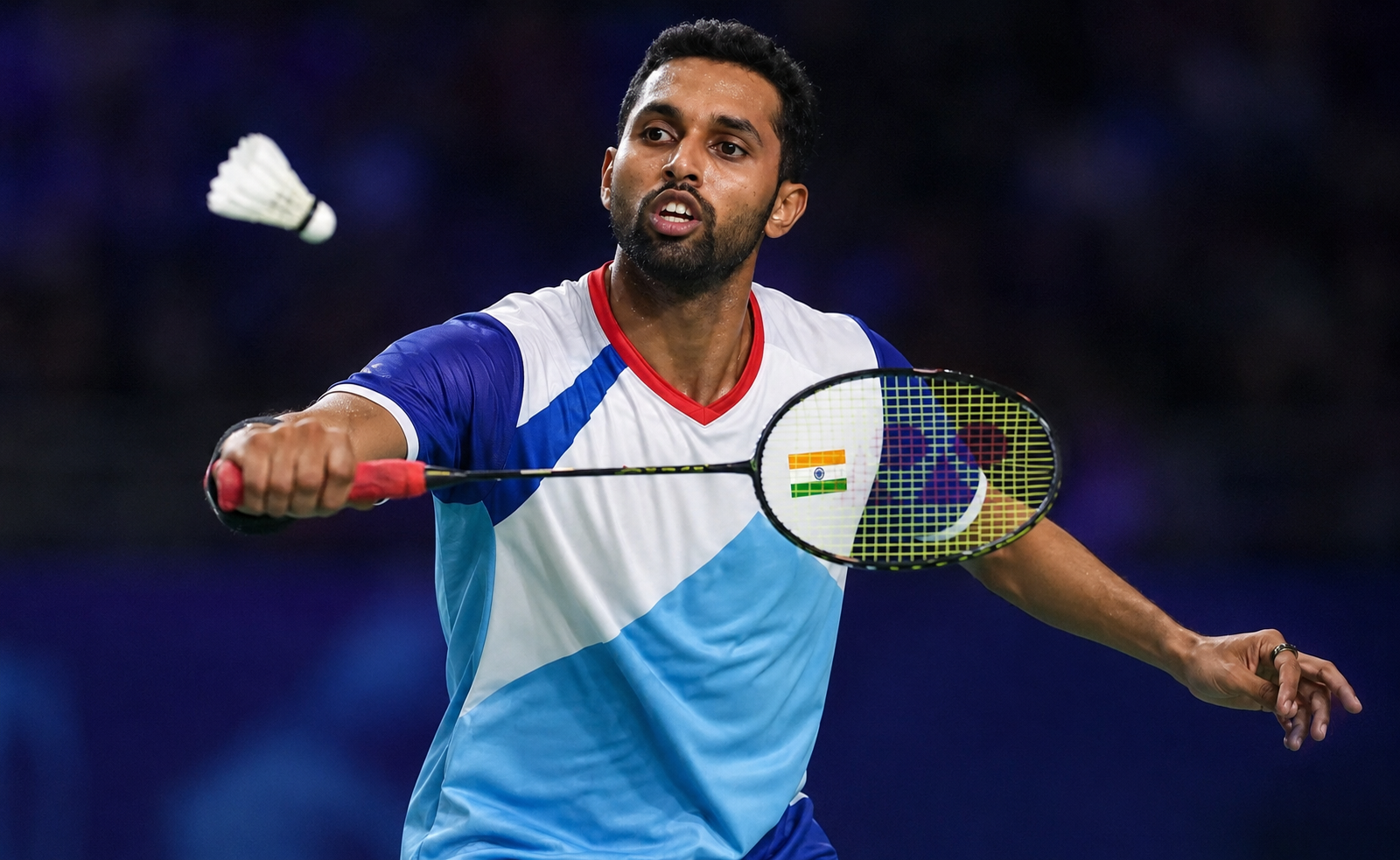
H. S. Prannoy, is an Indian badminton player who currently trains at the Gopichand Badminton Academy in Hyderabad.[1] He has won bronze medals at the 2023 World Championships and at the 2022 Asian Games. Prannoy was part of India winning team at the 2018 Commonwealth Games and 2022 Thomas Cup. He originally hails from Thiruvananthapuram and has a career-high world ranking of number 6, which he attained in August 2023.[2] He studied at Kendriya Vidyalaya Akkulam.
Key Factors
Full Name: Haseena Sunil Kumar Prannoy
Date of Birth: 17 July 1992
Birthplace: Thiruvananthapuram, Kerala, India
Occupation: Professional Badminton Player
Major Achievements: Thomas Cup winner (2022), BWF World Championships bronze (2023), Asian Games bronze (2022), Asian Championships bronze (2023)
Highest World Ranking: World No. 6 (August 2023)
H. S. Prannoy has long occupied a unique place in Indian badminton. He was never the loudest star in the room, nor the most commercially celebrated face of the sport. Yet within badminton circles, few players commanded more respect. Fiercely competitive, technically gifted, and emotionally resilient, Prannoy built his career through grit as much as talent. From Kerala’s badminton courts to some of the sport’s biggest global stages, his journey became one of Indian sport’s most compelling stories of persistence.
For years, he was known as the “giant killer”, the player capable of defeating Olympic champions and world No. 1s on any given day. But behind those dramatic victories existed another narrative, one defined by recurring injuries, ranking drops, emotional setbacks, and relentless attempts to rebuild himself. His eventual resurgence, culminating in India’s historic Thomas Cup triumph and a World Championship medal, transformed him from a talented shuttler into a symbol of endurance in Indian sport.
The Fighter Indian Badminton Could Never Ignore
How H. S. Prannoy transformed pain, inconsistency, and pressure into one of the most inspiring careers in Indian badminton
The final shuttle had barely touched the floor when H. S. Prannoy collapsed into emotion.
India had just created history at the 2022 Thomas Cup. For the first time ever, the Indian men’s badminton team stood at the summit of world badminton. Cameras captured players celebrating wildly, coaches embracing one another, and an entire sporting nation trying to process the magnitude of the achievement.
But among all those scenes, Prannoy’s reaction carried a different weight.
His tears did not belong merely to victory. They carried years of frustration, surgeries, painkillers, self-doubt, and near misses. They carried memories of a gifted athlete who had once seemed destined for greatness, only to spend years fighting his own body as much as his opponents.
For over a decade, Indian badminton had known him as one of its most naturally talented players. Yet his story was never linear. It moved through brilliant victories and devastating setbacks, through giant-killing performances and heartbreaking inconsistency.
And perhaps that is exactly why his triumph felt so deeply human.
A Childhood in Kerala’s Sporting Culture
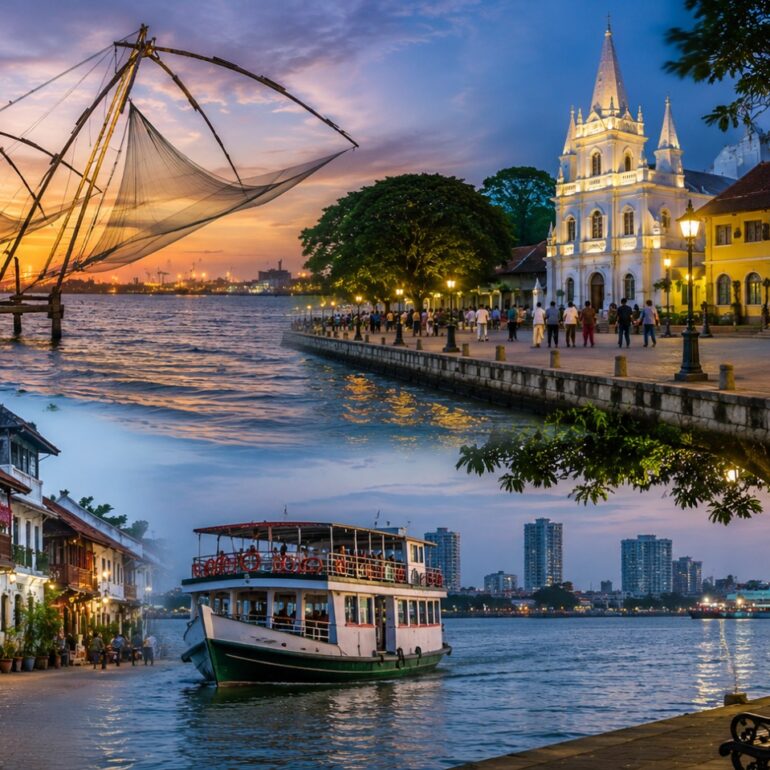
Prannoy was born on 17 July 1992 in Thiruvananthapuram, Kerala, a state where sporting culture runs unusually deep. Kerala has long produced athletes capable of competing internationally across disciplines, athletics, volleyball, football, and increasingly badminton.
He studied at Kendriya Vidyalaya Akkulam, where sports gradually became central to his identity. Like many Indian children of the late 1990s and early 2000s, Prannoy grew up during a transformative era for Indian badminton, when international visibility for the sport was slowly expanding.
Badminton in Kerala often thrived through local tournaments, school competitions, and tightly knit coaching networks. The state did not possess the overwhelming infrastructure of larger badminton hubs, but it produced fiercely competitive athletes shaped by discipline and repetition.
Even at a young age, Prannoy’s talent stood out.
He possessed natural timing, explosive movement, and a willingness to attack points aggressively. Coaches noticed not just his athletic ability but his instinctive understanding of rallies, an ability to turn defence into attack within seconds.
That instinct would later make him one of world badminton’s most unpredictable opponents.
Leaving Home for a Bigger Dream
As Indian badminton entered a new era under figures like Pullela Gopichand, ambitious young players increasingly gravitated toward Hyderabad.
For Prannoy, joining the Pullela Gopichand Badminton Academy marked a decisive turning point.
The academy was brutal in its intensity.
Training days stretched endlessly. Recovery, diet, footwork drills, and tactical sessions became part of daily life. Young players competed constantly, not only against international opponents but against one another.
India’s badminton boom had begun, and expectations were rising rapidly.
For Prannoy, those years involved sacrifice as much as ambition. The transition from talented junior player to elite international athlete demanded emotional endurance. The academy environment rewarded mental strength as much as physical skill.
And Prannoy quickly developed a reputation for fearlessness.
The Promise of a Future Star
The badminton world began noticing him seriously during his youth career.
At the 2010 Summer Youth Olympics in Singapore, he won silver in boys’ singles, announcing himself as one of India’s most exciting young badminton prospects. Around the same period, he also reached the final of the Bahrain International Challenge.
India already possessed rising stars, but Prannoy’s game looked different.
Where many players preferred structured rally construction, he embraced aggression. His steep smashes, sharp net play, and willingness to attack top opponents gave him a distinctive identity. Even early in his career, he looked capable of troubling elite players.
But promise in badminton often comes with pressure.
India’s badminton ecosystem was becoming increasingly competitive, and expectations surrounding emerging players intensified rapidly. Injuries, ranking pressure, and inconsistency soon interrupted his early momentum.
For several years, Prannoy became trapped between enormous potential and unstable continuity.
The Arrival of the Giant Killer
From around 2013 onwards, Prannoy began producing performances that forced the badminton world to pay attention.
He reached the final of the Vietnam Open and later won the Indonesia Open Grand Prix Gold title, achievements that signalled his rise through the international circuit.
But statistics alone could not explain his growing reputation.
Prannoy became feared because of whom he defeated.
He repeatedly stunned elite players, including legends such as Lee Chong Wei, Chen Long, Viktor Axelsen, and Jan Ø. Jørgensen.
Badminton fans soon gave him a label that stayed throughout his career: “giant killer.”
The phrase captured something essential about him.
Prannoy thrived in chaos.
Against higher-ranked opponents, he often played with extraordinary tactical freedom. His attacking instincts became sharper under pressure. He absorbed pace brilliantly, counterattacked aggressively, and refused to surrender mentally even in physically exhausting matches.
Top seeds knew one thing clearly: drawing Prannoy in a tournament was dangerous.
The Years of Pain
Yet behind those victories existed another reality.
Prannoy’s career became heavily shaped by injuries, particularly chronic ankle and back issues. Professional badminton is among the sport’s most physically punishing disciplines. Elite singles players cover extraordinary distances during matches while subjecting knees, ankles, and backs to relentless stress.
For Prannoy, the damage accumulated over years.
There were periods when movement became visibly painful. He often played through discomfort, relying on strapping, rehabilitation, and sheer willpower. Rankings fluctuated. Momentum disappeared repeatedly.
The emotional toll became enormous.
In elite sport, injuries do more than limit physical performance. They create uncertainty. Athletes begin questioning whether their bodies can still sustain ambition.
Prannoy experienced those doubts repeatedly.
There were tournaments where he looked capable of beating anyone, followed by months where consistency vanished. Younger players emerged. Indian badminton itself became crowded with stars.
And yet, he never disappeared.
That refusal to surrender slowly became central to his identity.
The Thomas Cup Transformation
If one chapter defines Prannoy’s career emotionally, it is India’s historic 2022 Thomas Cup triumph.
India entered the tournament with talent but not overwhelming expectations. Traditional badminton powers still dominated global perception. But within the Indian squad, belief was growing quietly.
Prannoy became one of the emotional anchors of the team.
Against Malaysia in the quarter-finals, he delivered a dramatic deciding-match victory under immense pressure. Then came another crucial win against Denmark in the semi-finals.
These were not routine victories. They were matches carrying the weight of national sporting history.
Prannoy’s performances reflected everything his career had taught him, emotional resilience, tactical calmness, and competitive courage.
When India eventually defeated Indonesia in the final, completing one of the greatest achievements in Indian badminton history, Prannoy’s emotional breakdown captured what the moment truly meant.
For years, he had fought personal battles largely away from headlines.
Now, he stood at the centre of Indian badminton history.
A Late-Career Peak
Remarkably, some of Prannoy’s finest badminton arrived in his thirties.
In 2023, he won bronze at the BWF World Championships, becoming one of the few Indian men’s singles players to achieve the feat. He also claimed bronze at the Asian Games and reached a career-high world ranking of No. 6 in August 2023.
What made this phase extraordinary was its timing.
Many athletes decline physically by that stage. Prannoy instead became more composed strategically. His shot selection improved, rally management matured, and mental stability strengthened.
He was no longer merely a dangerous underdog.
He became one of the world’s most respected senior players.
Within international badminton circles, players increasingly viewed him as one of the toughest competitors to face because of his experience, unpredictability, and refusal to panic under pressure.
Understanding the Prannoy Style
Technically, Prannoy’s game combines aggression with tactical adaptability.
He thrives on attacking opportunities, particularly through steep smashes and sudden acceleration during rallies. His court coverage, especially during peak years, allowed him to retrieve difficult shots while maintaining offensive intent.
Unlike some mechanically structured players, Prannoy often relied on instinctive shot-making. He could alter rally rhythms quickly, forcing opponents into uncomfortable positions.
But perhaps his greatest quality remained psychological.
He embraced pressure.
Many athletes become cautious against elite opponents. Prannoy frequently became freer. That fearlessness helped create his reputation as a player capable of upsetting anybody on the right day.
Off court, however, he remained calm and understated, qualities that made him deeply respected among fellow players and coaches.
More Than Medals
Indian badminton’s modern success story includes many stars.
Some became Olympic medallists. Others became commercial icons. Prannoy’s contribution belongs to a different category.
He represents resilience.
His journey reminds audiences that elite sport is rarely linear. Talent alone guarantees nothing. Careers are shaped equally by recovery, persistence, and emotional endurance.
For younger Indian players, his career offers another lesson too: greatness can arrive late.
Sometimes athletes mature not despite suffering, but through it.
Conclusion
In a sporting culture increasingly driven by celebrity, branding, and instant success, H. S. Prannoy became something rarer, an athlete admired deeply for his honesty, resilience, and fighting spirit.
From Kerala’s badminton courts to the world’s biggest arenas, his journey was never smooth. It moved through pain, reinvention, and quiet perseverance. Yet perhaps that is exactly why his victories carried such emotional power. They felt earned in the deepest possible sense.
While others became larger commercial stars, Prannoy built something equally enduring, the respect of teammates, opponents, coaches, and fans who understood how difficult his journey truly was. And in Indian badminton history, that legacy may ultimately matter just as much as medals.