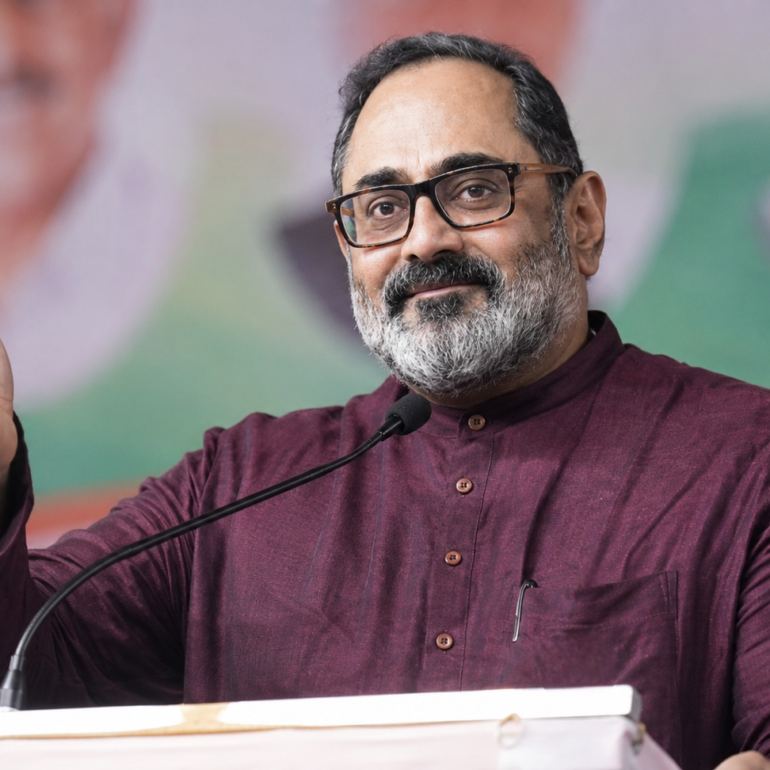
Asif Ali
Indian actor and film producer
For years, Asif Ali occupied a curious space in Malayalam cinema. He was never entirely outside the mainstream, yet he rarely belonged to its loudest conversations either. While many contemporaries chased star image and mass validation, Asif gradually moved toward something more difficult, becoming an actor who trusted stillness, emotional restraint, and deeply internalised performances. That evolution reached a striking peak through his run of films across 2025. From psychological drama to mystery thrillers and emotionally fragile character studies, the year showcased not just range, but control. What stood out was not transformation in the theatrical sense, but his increasing confidence in understatement. In film after film, Asif Ali demonstrated how minimal gestures, fractured silences, and carefully calibrated emotional rhythms can create performances that linger long after the credits roll.
Key Factors
Full Name: Asif Ali
Date of Birth: 4 February 1986
Birthplace: Karikode, Thodupuzha, Idukki, Kerala, India
Occupation: Actor, Film Producer
Years Active: 2009–present
Industry: Malayalam Cinema
Known For: Versatile acting in Malayalam films, realistic performances, strong supporting and lead roles
A Cultural And Critical Afterlife
Even though Kishkindha Kaandam arrived in late 2024, its cultural and critical afterlife extended strongly into 2025, becoming one of the defining reference points in discussions around Asif Ali’s career. His performance as Ajay Chandran worked precisely because he resisted the temptation to externalise grief and trauma. The role demanded emotional concealment more than emotional display, and Asif approached it with remarkable precision.
The performance relied heavily on micro-expressions and behavioural detail. His pauses during conversations, the guarded physicality, and the constant sense of emotional exhaustion underneath composure gave the character unusual psychological density. In several key moments, Asif allowed silence to carry dramatic weight instead of leaning on dialogue-heavy expression. That restraint became the film’s emotional anchor.
Critics particularly noted how effectively he matched the film’s meditative rhythm without disrupting its mystery-driven structure. Rather than “performing” intensity, he absorbed the film’s atmosphere into his body language. It remains one of the clearest examples of how much he has matured as a screen actor.
A Procedural Melodrama
In Rekhachithram, Asif Ali shifted into an entirely different tonal register. Playing a police officer investigating a layered mystery, he brought grounded realism to a narrative that could easily have drifted into procedural melodrama. Instead of presenting the character as overtly heroic, he played him with quiet observational intelligence.
What elevated the performance was his screen presence within investigative scenes. He communicated thought processes through controlled reactions rather than explanatory dialogue. His interactions with supporting characters felt organic, never overly staged, which helped the film maintain emotional
credibility even as the narrative expanded into larger thematic territory.
The realism in his dialogue delivery became especially effective here. Asif has increasingly developed a conversational style that avoids theatrical exaggeration, and Rekhachithram benefited enormously from that approach. His performance subtly grounded the film’s more complex narrative turns, giving the audience a human point of entry into the mystery.
Fragile, Emotional, Vulnerable
Perhaps the most emotionally vulnerable performance of the year came through Sarkeet. The film’s intimate emotional atmosphere demanded softness rather than dramatic flourish, and Asif adapted beautifully to its fragile emotional texture.
There is a noticeable gentleness in his performance here. His character carries emotional fatigue and empathy simultaneously, and Asif expressed both without forcing sentimentality. What made the performance compelling was how naturally he blended into the film’s understated storytelling style. He never tried to dominate scenes. Instead, he allowed emotional moments to emerge gradually through interaction and rhythm.
The tonal difference from his thriller-oriented performances elsewhere in the year highlighted his versatility. In Sarkeet, vulnerability became his primary acting tool. Even moments of silence felt emotionally active because of how attentively he reacted to the emotional states of others around him.
A Control Over Internal Conflict
Aabhyanthara Kuttavaali generated divided reactions critically because of its thematic handling, yet even many mixed reviews acknowledged Asif Ali’s commitment to the role. The film required him to navigate frustration, helplessness, anger, and humiliation, often within the same emotional stretch.
What stood out was his control over internal conflict. Rather than reducing the character to victimhood or emotional explosiveness, Asif maintained psychological complexity throughout. His body language reflected a man constantly negotiating social pressure and emotional collapse. The stiffness in posture, restrained vocal delivery, and visible hesitation in confrontational scenes added layers that the screenplay itself sometimes struggled to articulate.
Even in weaker stretches of the narrative, his performance retained credibility because he approached the role from an emotional rather than ideological standpoint. That distinction mattered. It prevented the character from becoming purely argumentative and instead made him recognisably human.
An Emotional Tension
In Jeethu Joseph’s Mirage, Asif Ali delivered a performance shaped by maturity and control. The film itself divided critics, especially regarding its screenplay and narrative excesses, but Asif remained one of its stabilising forces.
As an investigative journalist navigating a maze of secrets and shifting truths, he played the role with measured calmness. There was no visible desperation to appear “thrilling” inside a thriller. Instead, he relied on composure and observational presence. His chemistry with Aparna Balamurali also contributed emotional authenticity to a film heavily built around twists and revelations.
What became evident in Mirage was how much more economical he has become as an actor. He now appears increasingly aware of how little is needed to communicate emotional tension onscreen. That confidence, the ability to trust stillness, may be the most important aspect of his evolution.
Reflection
2025 did not transform Asif Ali into a new actor. Instead, it clarified what he had quietly been becoming for years. Across genres and tonal variations, he consistently chose emotional precision over theatricality. Whether portraying grief, moral uncertainty, vulnerability, or psychological fatigue, he approached characters with rare sincerity and restraint. More importantly, directors increasingly seemed willing to build emotionally layered narratives around his strengths as a performer. In an industry often driven by performance excess and star packaging, Asif Ali’s greatest achievement may be this: he has become one of Malayalam cinema’s most dependable actors simply by making realism feel cinematic.