
A car insurance policy becomes most valuable when a vehicle is involved in an accident, stolen or seriously damaged. However, policyholders can face delays or even rejection of claims if important information is withheld, incorrect details are provided or policy conditions are overlooked.
For motorists, understanding how insurers assess claims can help avoid unexpected financial losses and make the claims process smoother.
Document the Accident Immediately
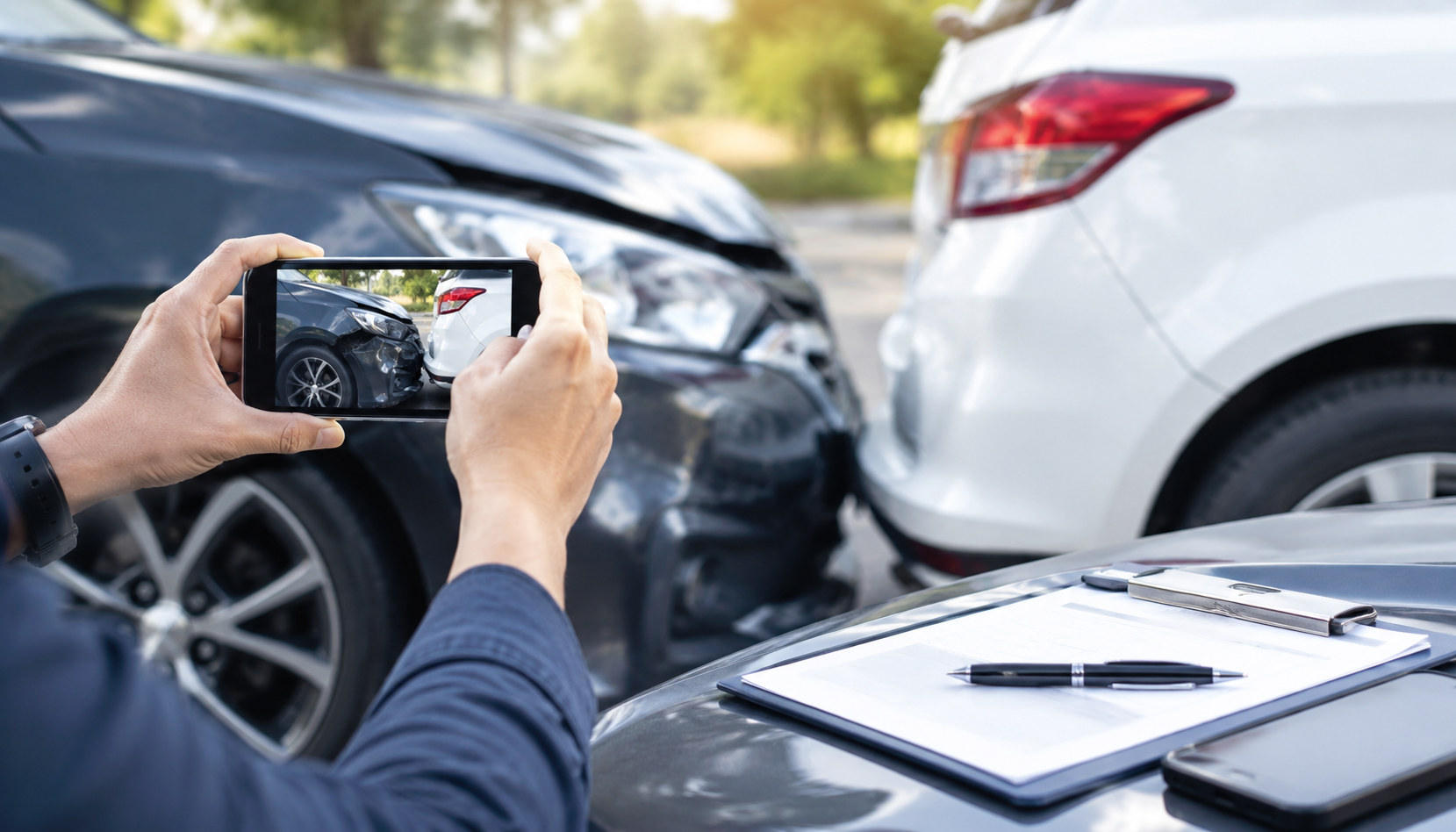
One of the most important steps after an accident is to collect evidence from the scene. Photographs and videos showing the vehicle damage, accident location and surrounding circumstances can support the claim and help the insurer’s surveyor assess the incident.
Policyholders should also notify the insurer as soon as possible and follow the prescribed claim procedure.
Accuracy in Policy Details Matters
Incorrect or incomplete information provided while purchasing or renewing a policy can create problems later. Details relating to previous claims, No Claim Bonus (NCB), vehicle ownership and modifications made to the car should be disclosed accurately.
A mismatch between the information declared in the policy and the actual condition or history of the vehicle can become a major issue during claim assessment.
Zero Depreciation Does Not Cover Everything
Zero depreciation add-on cover can reduce depreciation-related deductions during eligible claims, but it does not mean that every component or type of damage is automatically covered.
Normal wear and tear is generally outside the scope of accident-related coverage. Items such as engine oil, coolant and brake oil may require specific protection depending on the policy. Separate add-ons may also be available for engine and tyre-related risks.
Motorists should therefore check the exact inclusions and exclusions instead of assuming that a zero-depreciation policy provides comprehensive protection for every repair.
Think Twice Before Claiming for Minor Repairs
Making a claim for every small repair may not always be financially beneficial. Frequent claims can affect the No Claim Bonus, which can reduce the discount available at renewal.
For example, if a policyholder stands to receive a significant NCB discount at renewal, paying for a relatively small repair out of pocket could sometimes be more economical than filing a claim. Larger repair bills, however, may justify making a claim.
The decision should ultimately depend on the repair cost, deductible and the potential impact on the policyholder’s NCB.
Old Damage Should Not Be Added to a New Claim
Trying to include pre-existing scratches or damage in a claim arising from a new accident can seriously jeopardise the entire claim. Insurance surveyors are trained to examine the nature and circumstances of vehicle damage, making it important to report only damage connected with the insured incident.
Used-Car Buyers Need to Check Insurance Transfer
When ownership of a vehicle changes, insurance-related formalities should not be overlooked. While third-party insurance has provisions for transfer with the vehicle, the own-damage component also needs to be properly transferred or updated in the name of the new owner.
Used-car buyers should therefore verify the policy status and complete the necessary insurance transfer procedures promptly after purchase.
What to Do if the Car Is Stolen
In the event of vehicle theft, the owner should immediately report the matter to the police and obtain an FIR. The insurance company and the relevant Regional Transport Office (RTO) should also be informed without unnecessary delay.
Documents such as the original registration certificate and vehicle keys may be required during the claim process. Delays in providing the necessary documents can make settlement more complicated.
Total Loss Does Not Mean the Vehicle Has No Value
If an insurer declares a vehicle a total loss, the damaged vehicle or its salvage may still have residual value. The treatment and disposal of the salvage depend on the policy terms and settlement arrangement with the insurer.
Understand the Different Types of Cover
Motorists should also distinguish between third-party liability insurance and own-damage cover. Third-party insurance primarily protects against legal liabilities arising from injury, death or property damage caused to third parties, while own-damage cover protects the insured vehicle against covered risks.
Personal Accident cover for the owner-driver is another important component of motor insurance. The applicable coverage, premium and eligibility can depend on prevailing regulations and the policy structure, so policyholders should verify the current terms with their insurer.
Conclusion
A car insurance policy is not simply a document to be renewed every year. Understanding its coverage, exclusions, deductibles and add-ons can make a significant difference when a claim arises.
Keeping accurate policy information, documenting accidents properly, reporting theft without delay and avoiding unnecessary claims can help motorists protect both their coverage and their finances. Before renewing a policy, vehicle owners should also review whether the existing add-ons and insured value still match their requirements.