
India’s digital payments ecosystem is preparing for another shift as UPI moves toward making payments possible even when internet connectivity is unavailable.
The proposed offline payment feature is aimed at situations where either the customer’s smartphone or a merchant’s point-of-sale (PoS) terminal has no active internet connection. The development could be particularly useful in areas with unreliable connectivity, as well as during temporary network disruptions.
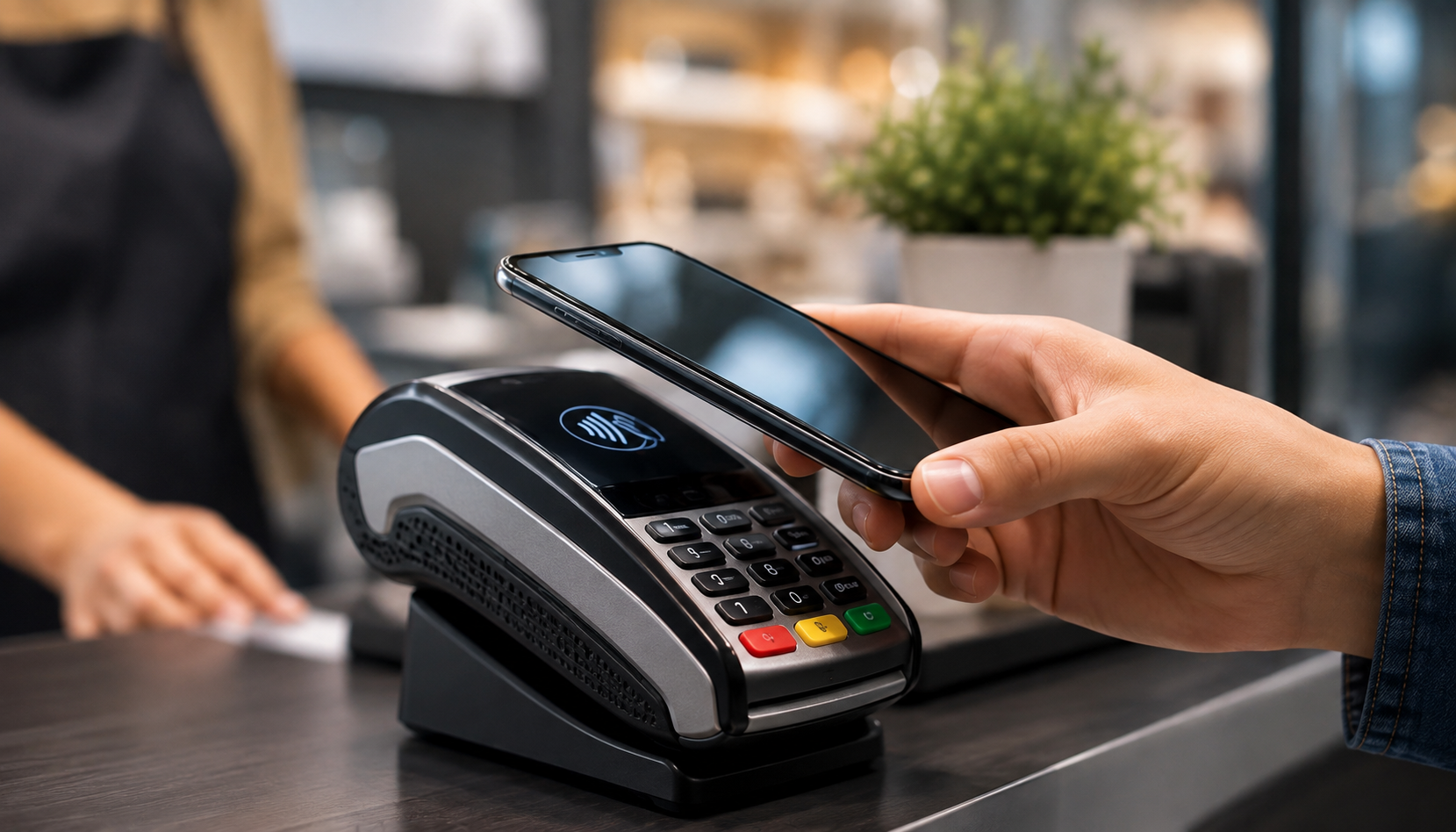
The new system is expected to use Near Field Communication (NFC), the short-range wireless technology already widely used for contactless card payments. Where both the smartphone and the merchant’s PoS terminal support NFC, customers could simply tap their phone against the machine to initiate a payment.
The National Payments Corporation of India (NPCI) is reportedly preparing to certify PoS devices for the facility this year, paving the way for wider adoption among merchants.
How the offline UPI system will work
The proposed feature is designed to make the payment process less dependent on a live internet connection. During an offline transaction, the PoS terminal can store the relevant transaction information and transmit it for verification once network connectivity is restored.
This could give merchants another way to accept UPI payments in locations where mobile data or internet services are inconsistent.
For consumers, the biggest attraction is convenience. Instead of switching to cash or waiting for a network connection, a customer with an NFC-enabled phone could potentially complete a payment by tapping it on a compatible terminal.
UPI LITE X already offers offline payments
India has already taken steps toward offline UPI transactions through UPI LITE X, introduced in 2023.
The facility allows users to make certain payments without an active network connection for either the payer or the recipient. At present, UPI LITE X is available on Android devices and supports transactions of up to Rs 500.
The new PoS-focused facility would raise the offline payment limit to Rs 2,000, making it more relevant for a wider range of everyday purchases.
A bigger opportunity for merchants
The expansion of offline UPI could have significant implications for India’s digital payments market. UPI has become a major part of everyday transactions, but connectivity remains an important dependency for conventional digital payments.
For small retailers, transport operators, temporary vendors and businesses operating in areas with patchy connectivity, an offline option could reduce the need to fall back on cash.
It could also strengthen the role of PoS terminals in India’s increasingly digital retail economy. If certification and deployment progress as expected, merchants could eventually have another reliable way to accept contactless UPI payments without requiring a continuous internet connection at the point of purchase.
The move also reflects a broader evolution of UPI. What began primarily as a bank-account-based digital payment system is increasingly expanding into contactless, offline and device-enabled payment experiences.
As India pushes toward a less-cash economy, improving the reliability of digital payments will be just as important as increasing their reach. An NFC-based offline UPI facility could be an important step in that direction, particularly for consumers and businesses operating beyond areas with dependable internet access.