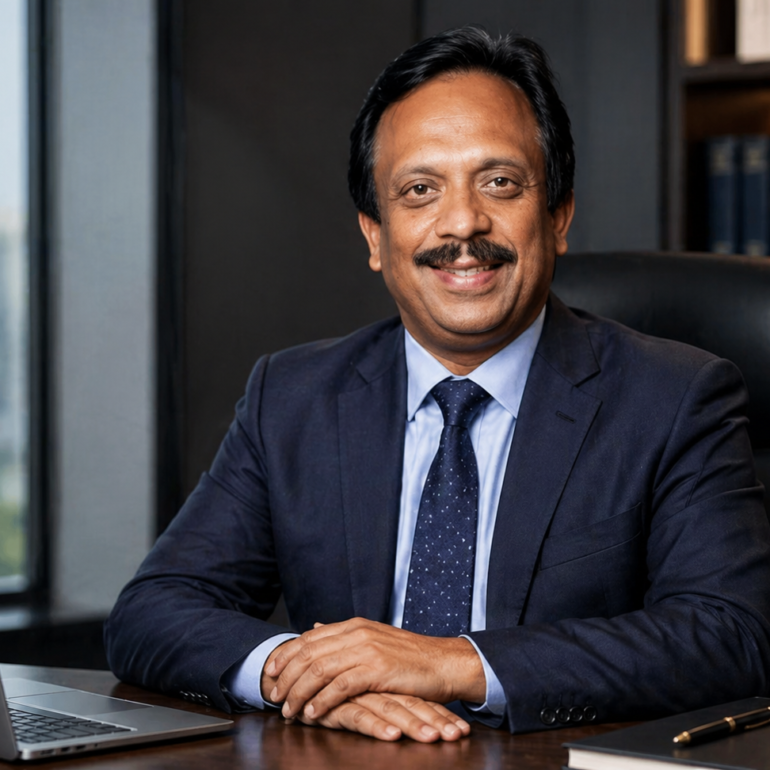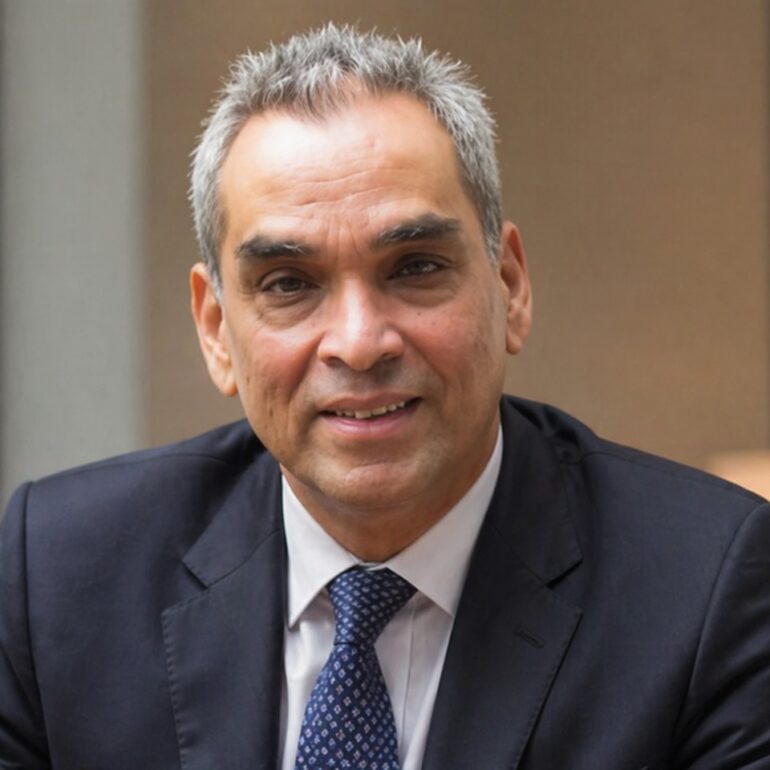
Muhammed Shafi
Entrepreneur, Technical Education Provider
Muhammed Shafi is the founder and CEO of Adi Group of Institutions (Adi Institute of Quality Engineers), a leading technical training provider in South India, established around 2014. Based in Kerala, he has led the institution for over 11 years, focusing on Specialized training in Diploma in Oil and Gas, MEP, QA/QC, Logistics, and HVAC design with 100% placement support. He is often recognized for promoting practical, skill-based education for employment.
Key Factors
Full Name: Muhammed Shafi
Place: Kerala, India
Title: Founder & CEO, Adi Group of Institutions
Occupation: Entrepreneur, Technical Education Provider
Known For: Building Adi Institute of Quality Engineers and promoting skill-based, employment-focused training
The Moment Before Placement
Inside a training lab in Kerala, a group of students gather around a simulation setup, reviewing a set of technical drawings tied to an HVAC system. The atmosphere is focused, but not tense. For many of them, this is not just another classroom session, it is preparation for an interview scheduled later that week with a Gulf-based contractor.
For institutions like Adi Institute of Quality Engineers, this moment captures their core promise. The objective is not merely to teach concepts, but to prepare students for real-world roles where precision, familiarity with tools, and confidence matter more than theoretical recall.
This emphasis on outcome-driven education is where Muhammed Shafi’s work has found relevance in a state that produces thousands of graduates each year but continues to struggle with employability.
Origins and Early Journey
Publicly available information on Muhammed Shafi’s early life remains limited, but his professional trajectory suggests a close engagement with the realities of Kerala’s job market. The state has long been characterized by a paradox, high literacy and education levels paired with limited local employment opportunities.
For decades, migration to Gulf countries has served as a release valve. However, this pathway has increasingly required specialized skills rather than general qualifications. It is within this context that Shafi appears to have identified a structural gap.
Traditional academic institutions, while strong in theoretical education, often lacked alignment with industry requirements. Graduates frequently found themselves underprepared for technical roles, particularly in sectors like construction, oil and gas, and industrial operations.
Recognizing this mismatch, Shafi’s entry into the training sector seems to have been guided less by academic ambition and more by market necessity.
Founding of Adi Group of Institutions
The establishment of the Adi Group of Institutions around 2014 marked a deliberate attempt to create a different kind of educational platform. Unlike conventional colleges, the institute focused on short- to medium-term technical programs designed to equip students with immediately applicable skills.
The early years would have required navigating several challenges common to vocational training ventures. Building credibility in a market that often equates value with degrees rather than skills is not straightforward. Convincing students and parents to invest in alternative education pathways requires both demonstrable outcomes and sustained trust.
Strategically, the institute appears to have focused on sectors with consistent demand, particularly in infrastructure, construction, and industrial services. This alignment with employment-heavy industries provided a clearer value proposition compared to generic training programs.
Business Model and Differentiation
At the core of Adi Institute’s model is a focus on job-oriented technical education. The curriculum is structured around industry needs rather than academic frameworks, with programs designed to simulate real working conditions.
Key areas of specialization include diploma programs in oil and gas, MEP (mechanical, electrical, and plumbing), QA/QC (quality assurance and quality control), logistics, and HVAC design. These are sectors where demand for skilled technicians and engineers remains relatively stable, both in India and in international markets.
The differentiation lies in the emphasis on practical exposure. Training modules are built to move beyond theoretical instruction, incorporating hands-on sessions, software training, and project-based learning.
From a business perspective, this approach positions the institute within a niche segment of the education market. It is not competing directly with universities or large-scale EdTech platforms, but rather operating as a specialized training provider focused on employability outcomes.
Growth and Market Position
Over more than a decade, the Adi Group of Institutions has expanded its presence across South India, building a reputation particularly within Kerala’s technical training ecosystem. While precise data on student volumes and placement figures is not always independently verifiable, the institute consistently highlights its placement support as a core offering.
The growth of such institutions reflects broader shifts in the education market. As awareness of skill gaps increases, students are increasingly open to alternative pathways that promise quicker entry into the workforce.
Adi’s positioning benefits from this trend. By aligning its programs with sectors that have clear employment pipelines, it has managed to sustain relevance in a competitive market.
However, the vocational training space is also crowded, with multiple institutes offering similar programs. Differentiation, therefore, depends not just on course offerings but on the perceived effectiveness of training and placement support.
Leadership and Philosophy
Muhammed Shafi’s approach to education appears to be grounded in a pragmatic understanding of its purpose. Rather than viewing education as an end in itself, he frames it as a means to employment.
This perspective challenges traditional notions of higher education, particularly in Kerala, where degrees often carry significant social value regardless of their market relevance.
His emphasis on skill-based learning reflects a broader shift toward outcome-driven education. The underlying philosophy is simple, students should leave with competencies that can be directly applied in professional settings.
Within the institution, this translates into a culture that prioritizes discipline, technical accuracy, and readiness for industry environments. The focus is less on academic achievement and more on professional preparedness.
Impact and Recognition
The impact of institutions like Adi Group is best understood through the lens of employability. By focusing on sectors with consistent demand, the institute contributes to addressing a key structural issue in Kerala’s economy, the mismatch between education and job opportunities.
While formal recognition in terms of awards or large-scale media coverage may be limited or fragmented, the institution’s relevance is reflected in its sustained operations and student intake over the years.
In a state where many graduates continue to seek opportunities abroad, training programs aligned with international industry standards play a crucial role in enabling mobility.
Challenges and Industry Realities
The vocational training sector faces several challenges. One of the most significant is maintaining quality at scale. As institutions expand, ensuring consistent training standards across batches becomes increasingly complex.
Another challenge lies in placement claims. While many training providers emphasize high placement rates, verifying these outcomes independently is often difficult. For institutions like Adi, sustaining credibility depends on delivering consistent results over time rather than relying on marketing narratives.
Competition is another factor. With the rise of private training institutes and online learning platforms, the market has become more fragmented. Differentiation requires continuous curriculum updates and stronger industry partnerships.
Additionally, regulatory frameworks for vocational training in India are still evolving, creating both opportunities and uncertainties for private players.
Future Outlook
Looking ahead, the relevance of skill-based education is likely to increase. As industries evolve and automation reshapes job roles, the demand for specialized, adaptable skills will continue to grow.
For the Adi Group of Institutions, the challenge will be to stay aligned with these shifts. This may involve expanding into new sectors, integrating digital tools into training, and strengthening industry collaborations.
The broader opportunity lies in positioning itself not just as a training provider, but as a workforce development partner. In a country where employability remains a key concern, institutions that can bridge the gap between education and industry will continue to find demand.
Reflection
Muhammed Shafi’s journey reflects a quiet but significant shift within Kerala’s education landscape, from degree-centric learning to skill-based training that prioritizes outcomes. By focusing on practical competencies and industry alignment, he has built a model that addresses real gaps in the system. While challenges remain in scaling and sustaining quality, his work underscores an evolving understanding of education as a pathway to economic mobility. In that sense, the trajectory of Adi Group stands as an outstanding example of how targeted intervention can reshape both individual careers and broader workforce dynamics.
Accomplishments
Awarded the Asianet Power & Partnership Business Couple Award 2025 alongside COO Darsana Indirabai
Future Kerala Education Institution Award 2023.