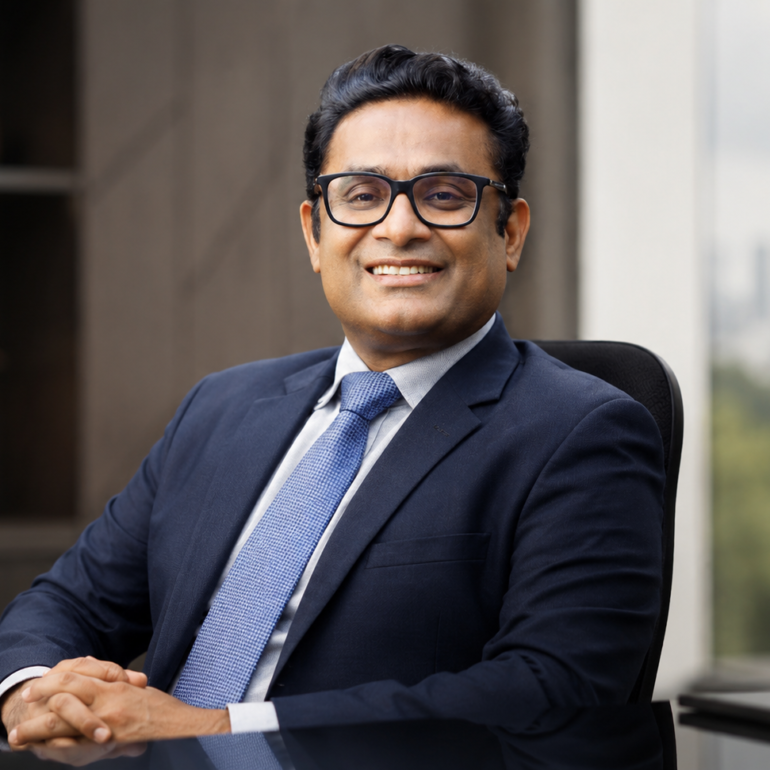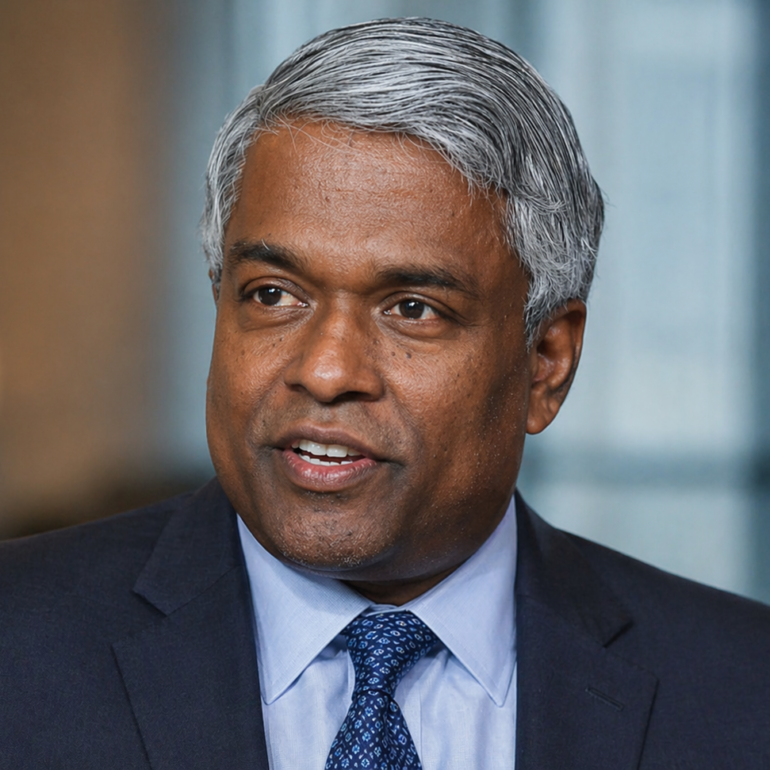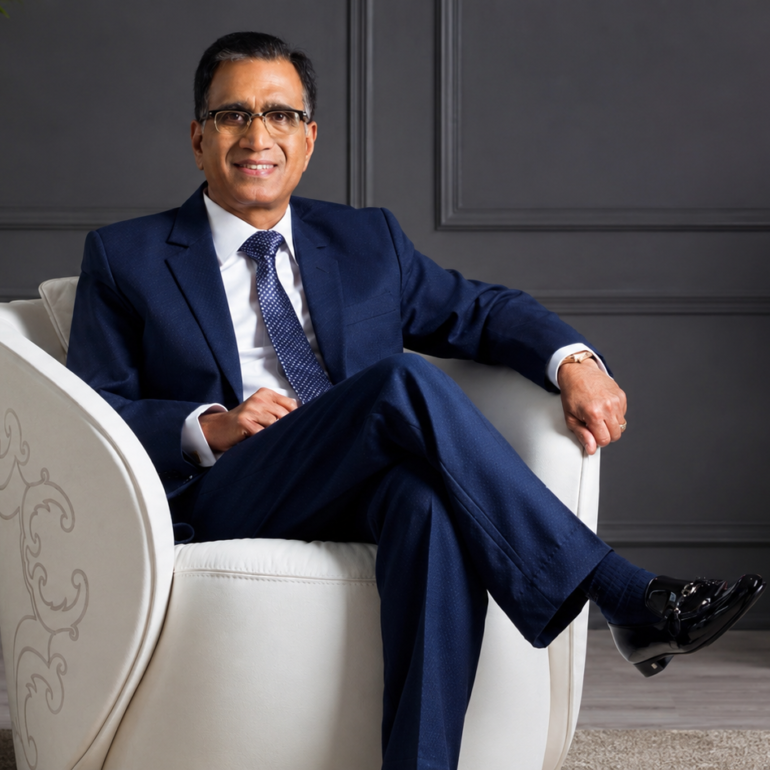
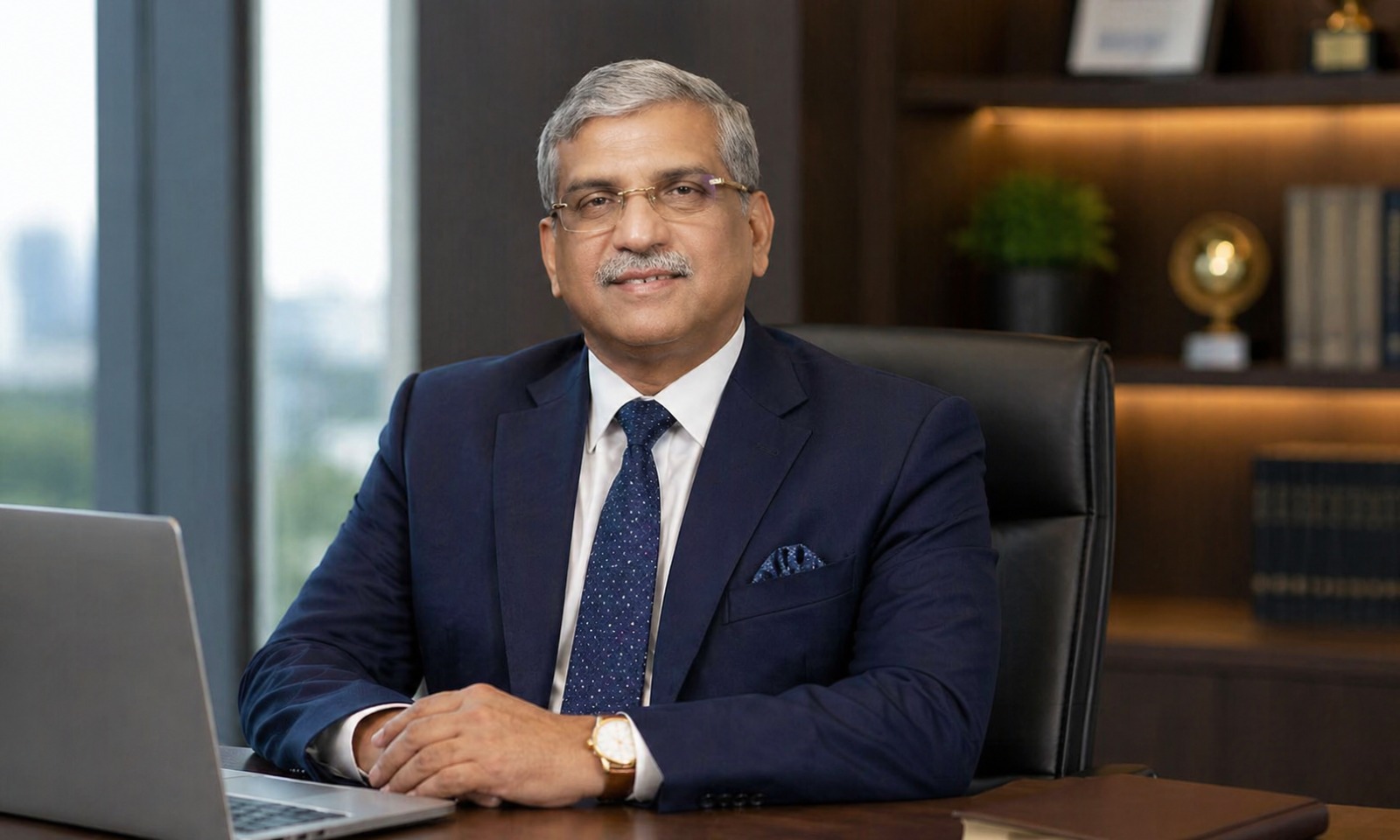
Dr. K. Paul Thomas
Dr. K. Paul Thomas is the founder, Managing Director, and CEO of ESAF Small Finance Bank, a pioneering social enterprise aimed at financial inclusion in India. Established in 1992 as an NGO, he grew it into a Small Finance Bank in 2017 with a focus on rural development, women’s empowerment, and sustainable banking, currently serving over 9.4 million customers. Started ESAF (Evangelical Social Action Forum) in 1992 to improve communities through social entrepreneurship.
Key Facts
Full Name: Dr. K. Paul Thomas
Place: Kerala, India
Title: Founder, Managing Director & CEO, ESAF Small Finance Bank
Occupation: Banker, Social Entrepreneur
Known For: Building ESAF from a social enterprise into a Small Finance Bank focused on financial inclusion
In a small village in Kerala, a group of women sit in a circle, ledgers open, discussing repayments and savings with a seriousness that belies the modest sums involved. For many of them, this is their first engagement with formal finance. There are no marble floors, no glass partitions, no intimidating counters, only trust, accountability, and a shared aspiration for economic dignity.
This is where Dr. K. Paul Thomas’s idea of banking begins, not in urban boardrooms, but in such circles of participation. It is here that the concept of “banking with a soul” takes its most tangible form, long before it became the philosophy of a regulated financial institution.
Roots and Early Career
Dr. Thomas’s journey into banking was neither conventional nor immediate. Trained in agricultural science, his early professional years were shaped by a deep engagement with rural India. His 18-year tenure at the Indian Farmers Fertilizers Cooperative Limited exposed him to the realities of agrarian life, the fragility of rural incomes, and the systemic gaps in access to finance.
Working across regions and interacting with farming communities, he observed a pattern that would later define his entrepreneurial direction. Economic vulnerability was not merely a function of income but of access, access to credit, markets, and institutional support.
These experiences seeded a question that would stay with him: could finance be designed differently, not as a transactional service, but as an instrument of empowerment?
The Birth of ESAF
In 1992, Dr. Thomas founded ESAF, originally the Evangelical Social Action Forum, as a social enterprise rather than a financial institution. The focus was community development, livelihood support, and social upliftment.
The early years were marked by limited resources and significant skepticism. The idea of integrating social work with structured financial systems was still emerging in India. ESAF operated through grassroots interventions, working closely with communities to build trust and participation.
What distinguished ESAF from many NGOs was its evolving approach. It did not remain confined to welfare. Instead, it began exploring how financial tools could be integrated into development work.
This transition was neither immediate nor linear. It required building institutional capacity, understanding regulatory frameworks, and most importantly, earning credibility at the grassroots level.
Microfinance and a Women-Centric Model
The turning point came with the creation of ESAF’s microfinance arm, often referred to as MEED (Micro Enterprise Development). Inspired in part by the principles of the Grameen Bank, the model focused on group-based lending, particularly targeting women.
The logic was both social and economic. Women, especially in rural India, tend to demonstrate higher repayment discipline and channel financial resources into household welfare, education, and small enterprises.
Through self-help groups and joint liability models, ESAF built a system that combined credit with accountability. Loans were small, but their impact was often transformative, enabling micro-enterprises, stabilising incomes, and reducing dependence on informal lenders.
This phase also helped ESAF refine its operational model. It learned to balance empathy with discipline, social mission with financial sustainability.
Transformation into a Bank
The transition from a microfinance institution to a regulated bank is one of the most complex shifts in financial services. In 2017, ESAF achieved this transformation, becoming ESAF Small Finance Bank under the Reserve Bank of India’s licensing framework.
This was not merely a regulatory upgrade. It required a complete overhaul of systems, governance structures, compliance mechanisms, and capital adequacy frameworks.
For Dr. Thomas, the challenge was to scale without diluting the institution’s core philosophy. Traditional banks operate on metrics of profitability and efficiency. ESAF, by contrast, had to integrate these metrics with its social mission.
The transition demanded investments in technology, risk management, and human resources. It also required navigating the expectations of regulators, investors, and customers, each with different priorities.
Scaling Impact
Today, ESAF Small Finance Bank serves over 9.4 million customers, a significant portion of whom are from rural and semi-urban areas. Its footprint extends across multiple states, with a strong presence in regions historically underserved by formal banking.
The scale is notable, but what stands out is the composition of its customer base. Unlike traditional banks that prioritise high-value clients, ESAF’s growth has been driven by small borrowers, micro-entrepreneurs, and first-time account holders.
Its product portfolio reflects this focus, including microloans, savings accounts, and financial literacy initiatives. The bank’s approach integrates credit with capacity building, recognising that financial inclusion is not just about access, but also about usage and understanding.
Leadership and Global Influence
Dr. Thomas’s work has increasingly gained international recognition. His appointment to the board of the Global Alliance for Banking on Values in 2025 reflects his role in shaping conversations around ethical and sustainable banking.
The GABV represents a network of banks committed to social and environmental impact, and his inclusion signals ESAF’s alignment with global best practices in values-based banking.
Closer home, his leadership roles in organisations such as the Kerala Association of Microfinance Institutional Entrepreneurs and his involvement with the Microfinance Institutions Network highlight his influence within India’s financial ecosystem.
These roles position him not just as an operator, but as a thought leader contributing to policy and industry discourse.
Philosophy: Banking with a Soul
The phrase “banking with a soul” is often used in reference to ESAF, but its implications go beyond branding.
At a practical level, it translates into lending practices that consider social impact, customer engagement models that prioritise trust, and operational frameworks that emphasise inclusivity.
It also reflects a deliberate choice to operate in segments that may not always offer the highest margins but deliver long-term societal value.
However, this philosophy is not without tension. Balancing social objectives with financial sustainability is a constant challenge, especially in a regulated banking environment where capital efficiency and risk management are critical.
Recognition and Credibility
Dr. Thomas’s leadership has been recognised through awards such as the CEO of the Year at the Indian Banking Summit and Awards in 2022.
Such recognitions underscore his role in redefining banking for underserved segments. Yet, within the industry, credibility is often measured less by awards and more by resilience, the ability to maintain asset quality, manage risk, and sustain growth over time.
ESAF’s journey reflects this ongoing test of credibility.
A Critical Perspective
The microfinance and small finance bank sectors in India operate within a complex ecosystem.
On one hand, they address a critical gap in financial inclusion. On the other, they face challenges related to credit risk, borrower over-indebtedness, and operational costs.
For ESAF, the question is how to scale responsibly. Rapid expansion can strain systems and increase risk exposure. At the same time, remaining small limits impact.
There is also the broader debate around sustainability. Can a bank maintain a strong social mission while delivering returns expected by investors? The answer is still evolving.
Dr. Thomas’s approach suggests that the balance lies in disciplined growth, strong governance, and continuous adaptation.
Legacy and Future Outlook
As India’s financial ecosystem continues to evolve, institutions like ESAF occupy a critical space. They bridge the gap between informal finance and mainstream banking, bringing millions into the formal economy.
Dr. K. Paul Thomas’s legacy will likely be defined by this bridge-building role. He has demonstrated that financial institutions can be designed with inclusion at their core, without entirely compromising on scale or sustainability.
Looking ahead, the future of ESAF will depend on its ability to integrate technology, manage risk, and continue innovating within its core segments. The challenge is not just to grow, but to grow without losing the essence that defined its origin.
In a sector often driven by numbers, his journey stands as a reminder that finance, at its most effective, is not just about capital, but about people, purpose, and possibility. That enduring idea remains his most outstanding contribution.
Recognition
Named CEO of the Year at the Indian Banking Summit and Awards 2022.