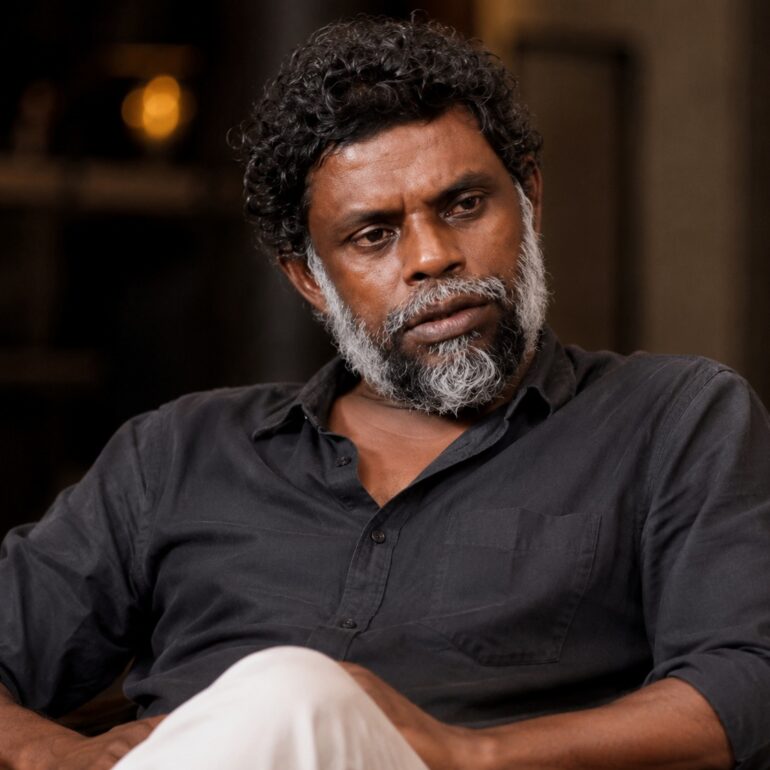

Dr. Ananthu S
Founder and CEO of Xylem Learning
Dr. Ananthu S is an educator from Kerala known for making learning more accessible, practical, and engaging for students through modern teaching methods and digital platforms. By blending technology, motivation, and real-world understanding, he has become a familiar voice among young learners looking beyond traditional classroom education.
Full Name: Dr. Ananthu S
Born: Kerala, India
Place: Kerala, India
Education: Medical Doctor (MBBS)
Title: Founder, CEO, Educator, Motivational Speaker
Organization: Xylem Learning
Years active: 2020–present
A Classroom Without Walls
The class begins before dawn for some and stretches past midnight for others. On a phone screen in Kasaragod, a student rewinds a physics explanation for the third time. In Kochi, a packed hall leans forward as a teacher breaks down a concept that once felt impossible. The energy is not quiet, it is restless, urgent, collective. At the center of this ecosystem is Dr. Ananthu S, a figure who has turned preparation into performance and learning into a shared, almost theatrical experience. It is an outstanding transformation, not just of content delivery, but of how aspiration itself is organized in Kerala’s exam-driven culture.
Medicine as a Detour, not a Destination
Dr. Ananthu S’s story begins within a familiar Kerala framework, academic excellence as both expectation and pathway. He pursued an MBBS degree from T. D. Medical College, a credential that traditionally leads to a stable, respected medical career.
Yet, even during his medical training, there were indications that his trajectory would diverge. He showed a strong inclination toward teaching, explaining concepts, engaging peers, and simplifying complex material. This instinct, often secondary in formal education systems, would later become central to his identity.
The decision to move away from a conventional medical career was not just a professional shift. It reflected a broader recognition, that teaching, particularly in competitive exam ecosystems, was not merely an academic function but a high-impact intervention in students’ lives.
The Birth of Xylem Learning: Timing the Shift
Xylem Learning was founded around 2019–2020, a moment that would soon coincide with a global disruption in education due to the COVID-19 pandemic.
The timing proved decisive.
As physical classrooms shut down, demand for structured, accessible digital learning surged. While many established players struggled to adapt or scale, Xylem entered the space with a model that was already tuned to digital delivery.
The early challenges were typical of startups in education:
- Building trust among students and parents
- Creating content that could compete with established coaching brands
- Scaling infrastructure without compromising quality
But Xylem’s approach differed in one key respect. It did not present itself as a purely academic platform. It leaned into engagement, pacing, and relatability, elements often missing in traditional coaching.
This is where the idea of “edutainment” began to take shape.
Scaling an Edtech Powerhouse: Growth and Reach
Within a few years, Xylem Learning evolved from a startup into one of Kerala’s most visible edtech platforms.
Its growth can be measured across multiple axes:
The platform reportedly reached millions of learners through its app and digital content, while also expanding into offline centers, creating a hybrid model that combines accessibility with physical presence.
Its course offerings span major competitive exams such as NEET, JEE, and KEAM, aligning with the aspirations of Kerala’s student population, which is heavily oriented toward professional education.
Strategically, Xylem has also engaged in collaborations and partnerships, including associations with larger national players like Physics Wallah, reflecting an awareness of the need to scale beyond regional boundaries.
However, rapid growth in edtech often brings structural challenges. Scaling content, maintaining teaching quality, and managing expectations across a large user base require continuous recalibration.
Teaching Philosophy and the ‘Edutainment’ Model: Engagement as Strategy
At the core of Xylem’s appeal is its teaching philosophy.
Dr. Ananthu S positions learning not as passive absorption but as active engagement. His classes often emphasize:
- Breaking down complex topics into digestible segments
- Using relatable analogies and real-world references
- Maintaining high energy and pacing to sustain attention
This approach aligns with broader shifts in digital learning, where attention is fragmented and competition for engagement is intense.
The term “edutainment” is often used loosely, but in Xylem’s case, it reflects a deliberate strategy. The goal is not to dilute academic rigor but to reframe delivery in a way that resonates with contemporary learners.
This has particular relevance in Kerala, where students are often academically strong but operate within highly competitive and high-pressure environments.
By making learning more accessible and less intimidating, Xylem has expanded its reach beyond top-tier students to a wider demographic.
Between Scale and Identity
India’s edtech ecosystem is both expansive and volatile.
Large players like BYJU’S have pursued aggressive scaling strategies, often backed by significant venture capital, while companies like Physics Wallah have emphasized affordability and relatability.
Xylem occupies an intermediate position.
It is regionally strong, particularly in Kerala, but also seeks to expand its footprint nationally. Its hybrid model, combining online content with offline centers, reflects a recognition that digital-only models may not fully address the needs of all students.
This approach offers advantages:
- Stronger student engagement through physical presence
- Brand visibility within local communities
- Diversified revenue streams
At the same time, it introduces operational complexity. Managing offline infrastructure requires capital, logistics, and consistent quality control.
The question for Xylem is whether it can scale this model without losing the agility that defined its early growth.
Criticism, Controversies, and Public Perception: The Weight of Expectations
As with any rapidly growing edtech platform, Xylem has faced scrutiny.
Criticism often centers around:
The gap between marketing narratives and actual outcomes. In highly competitive exams like NEET and JEE, success rates are inherently limited. No platform can guarantee results, yet expectations are often shaped by aspirational messaging.
There is also skepticism around the scalability of teaching quality. As platforms grow, maintaining consistency across instructors and content becomes challenging.
Public perception of Dr. Ananthu S reflects this duality. He is seen by many students as an inspiring educator, accessible, energetic, and relatable. At the same time, there is a degree of caution among observers who question the sustainability of rapid growth in edtech.
These tensions are not unique to Xylem. They are structural to the sector.
Beyond Education: Expansion into Media and Identity
Dr. Ananthu S’s entry into film production through ventures like Ananthu Entertainments signals a broader ambition.
This move can be interpreted in multiple ways.
On one level, it reflects brand expansion, leveraging visibility in education to enter adjacent creative industries. On another, it suggests a personal interest in storytelling and media.
For an edtech founder, such diversification carries both opportunity and risk. It can strengthen brand identity but also dilute focus if not managed carefully.
Educator as Influencer
Dr. Ananthu S represents a new kind of figure in Indian education, part teacher, part entrepreneur, part public communicator.
His communication style is direct, energetic, and often motivational. He engages with students not just as learners but as participants in a shared journey.
This has helped build a strong personal brand, which in turn reinforces Xylem’s visibility.
However, this model also creates dependence. The platform’s identity becomes closely tied to its founder, raising questions about scalability beyond individual charisma.
Redefining Access and Aspiration
Xylem’s impact is most visible at the level of access.
Students from smaller towns and less privileged backgrounds have gained exposure to structured, high-quality content without relocating to major cities.
There are numerous success stories, students who have cleared competitive exams after engaging with the platform, though these must be understood within the broader statistical realities of such exams.
More broadly, Xylem has contributed to a shift in learning culture, where digital platforms are no longer supplementary but central.
Its legacy, still in formation, lies in how it has reshaped expectations, making high-level preparation more accessible while also intensifying competition.
Future Outlook: Between Opportunity and Uncertainty
The future of Xylem Learning, and of Dr. Ananthu S’s leadership, will depend on navigating a complex landscape.
Edtech in India is entering a phase of consolidation. Funding cycles have tightened, and questions around profitability and sustainability are becoming more urgent.
For Xylem, key challenges include:
Maintaining quality while scaling, balancing online and offline models, and expanding beyond regional strongholds without losing identity.
At the same time, opportunities remain significant. The demand for structured, affordable, and engaging education continues to grow.
Dr. Ananthu S’s trajectory reflects a broader shift in Indian education, where traditional boundaries between teaching, entrepreneurship, and media are increasingly blurred.
Learning as a Performance, Education as a System
In the end, the story of Dr. Ananthu S is not just about one individual or one company.
It is about a transformation in how education is delivered, consumed, and imagined.
He has positioned himself at the intersection of aspiration and access, where students seek not just knowledge but direction, motivation, and structure.
It is an outstanding but still unfolding narrative, shaped as much by systemic forces as by individual ambition. Whether Xylem becomes a lasting institution or a moment within a rapidly evolving sector will depend on its ability to move beyond personality and build enduring systems.
For now, it remains one of the most visible expressions of a generation that is redefining how India learns.